

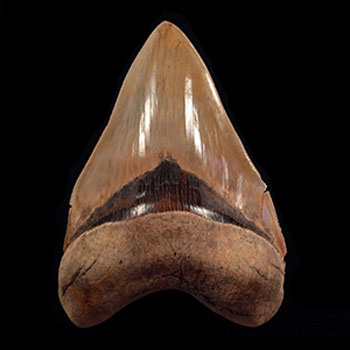
Collectors are often fascinated by how geography shapes the story of fossils. When it comes to Megalodon teeth, the differences in preservation, color, and accessibility between Florida, Georgia, and Chilean sites are striking. For those eager to know how much does a megalodon tooth cost, the answer depends heavily on its locality. At Buried Treasure Fossils, we have spent decades sourcing authentic specimens from these regions, offering collectors a chance to appreciate the prehistoric ocean’s legacy through teeth that tell three very different stories.
Why Locality Matters in Fossil Collecting
The Megalodon shark, a colossal predator of the ancient seas, once roamed through the warm waters of nearly every ocean millions of years ago. Its massive presence has left behind a treasure trove of teeth, each one a window into a prehistoric world. However, the quality and market value of these fossilized remnants can vary significantly, influenced by the geological nuances of their origins.
Some regions are known for producing teeth that boast vibrant, striking colors, a result of the unique mineral content found in the sediment that enveloped them. These hues can capture the imagination of collectors, creating a visual appeal that goes beyond mere size. In contrast, other locations may offer teeth that are exceptionally well-preserved, their intricate details and textures standing out in stunning clarity.
This remarkable variety in quality and appearance fuels the passion of collectors, who search tirelessly for these relics of the deep. Just as with precious gemstones, fossils are cherished not only for their dimensions and conditions but also for the stories they tell about their origins, each piece a fragment of Earth’s ancient history waiting to be uncovered.
Florida Megalodon Teeth: A Collector’s Gateway
Florida stands out as one of the premier destinations for fossil hunting in the United States. The state's rivers and coastal deposits offer excellent accessibility, contributing to the affordability of Florida's shark teeth. For new collectors, smaller specimens in the 2"–3" range can often be acquired for under $100, making them an attractive starting point. Conversely, well-preserved larger teeth, exceeding 4", can reach prices in the mid-hundreds, while rare specimens measuring over 6" may soar into the thousand-dollar range.
The teeth from Florida typically showcase stunning shades of brown, tan, and gray, a testament to the sandy and clay-rich sediments where they were preserved. Their abundance and reasonable pricing make Florida teeth the ideal choice for entry-level acquisitions. For many collectors, Florida waters are the gateway to owning their first Megalodon tooth, a prized addition that represents both history and adventure.
Georgia Megalodon Teeth: Rich Colors and Mid-Range Pricing
Just north of Florida, Georgia offers a different kind of collecting experience. Many Georgia teeth are found inland in phosphate mines and riverbeds, which means they benefit from mineralization that often leaves them with deeper hues—ranging from dark browns to almost black. This striking coloration makes them stand out in any collection.
Pricing for Georgia teeth sits slightly above Florida’s because accessibility is more limited, and commercial collecting in phosphate mines has decreased in recent years. A mid-size tooth (3"–4") typically ranges from $200–$400, while larger, high-quality specimens may easily pass $1,000. Collectors are drawn to these pieces not only for their appearance but also for the challenge of sourcing them, since supply is less steady than in Florida.
Chilean Megalodon Teeth: The Premium Market
Chilean fossil sites produce some of the most remarkable Megalodon teeth ever discovered. Due to unique geological conditions and a rich marine sediment history, these teeth often exhibit bold colors—blue, green, and even golden hues—that are rarely seen elsewhere. This makes them some of the most visually striking teeth on the market.
However, Chilean specimens are also among the most expensive. A 3" tooth might start around $500, and anything over 5" in excellent condition can command several thousand dollars. Part of the reason is availability: fossil exports from Chile have been restricted in recent years, reducing supply. This scarcity adds to their prestige, making them highly sought-after by serious collectors.
For those who wonder how much does a megalodon tooth cost when it comes to Chilean specimens, the answer is “more, but for good reason.” Their rarity, color, and condition justify the premium pricing.
Condition and Size: Universal Price Factors
While locality plays a huge role, size and preservation remain the two most critical factors in determining value. A perfectly preserved 4" tooth from Florida may still outprice a chipped 4" tooth from Chile, because condition is paramount. Similarly, larger specimens always fetch higher prices. Teeth over 6" are exceedingly rare regardless of locality and can command staggering figures, sometimes exceeding $10,000.
This is why collectors should balance locality with condition when making purchases. A smaller but flawless specimen may be more desirable than a larger tooth with heavy erosion or missing serrations.
Accessibility and Legality: A Responsible Collector’s Concern
One of the most important considerations when collecting is legality. At Buried Treasure Fossils, we only source authentic, legally obtained specimens, whether they come from Florida rivers, Georgia phosphate deposits, or private collections of Chilean teeth. This ensures every collector can build their fossil library with confidence, knowing that each piece is genuine and responsibly acquired.
Accessibility also shapes price tiers. Florida teeth are easier to obtain because collecting in rivers is legal with permits, while Chilean fossils face strict export laws, raising both value and rarity. Georgia sits in between—less accessible than Florida but not as heavily restricted as Chile.
The Appeal of Each Locality
● Florida: Perfect for beginners, affordable, steady supply, classic earthy tones.
● Georgia: Striking dark coloration, slightly rarer, mid-range pricing.
● Chile: Vibrant colors, highly rare, premium collector’s market.
Collectors often enjoy having specimens from all three localities to showcase the diversity of Megalodon teeth. Each tells its own story about prehistoric seas, local geology, and modern collecting challenges.
Buried Treasure Fossils: Bringing Localities Together
At Buried Treasure Fossils, we are proud to offer teeth from all three regions. Our catalog highlights the differences between them, with detailed descriptions and historical context for each piece. Whether you’re drawn to Florida’s accessibility, Georgia’s richness, or Chile’s vibrancy, we provide trusted sourcing and authenticity guarantees so you can collect with passion and peace of mind.
We also make the collecting journey more approachable, with fossils starting under $50, allowing beginners to step into the world of prehistoric giants without hesitation. At the same time, our premium Chilean specimens appeal to serious collectors aiming for museum-grade displays.
Conclusion: Choosing the Right Tooth for Your Collection
So, how much does a megalodon tooth cost? The answer depends on where it comes from, how well it has been preserved, and how rare it is to find today. Florida teeth are more accessible and affordable, Georgia teeth strike a balance with beautiful coloration and moderate rarity, and Chilean teeth represent the upper tier of the market with their breathtaking hues and limited availability.
For collectors, the joy lies not only in owning a Megalodon tooth but also in understanding the story behind its locality. At Buried Treasure Fossils, we share this passion with every specimen we offer. Whether you’re beginning your fossil journey or searching for the crown jewel of your collection, we invite you to explore our selection and discover the prehistoric treasures waiting to be part of your story.






