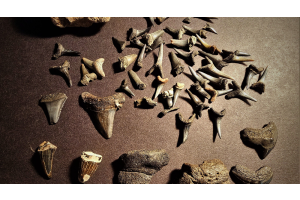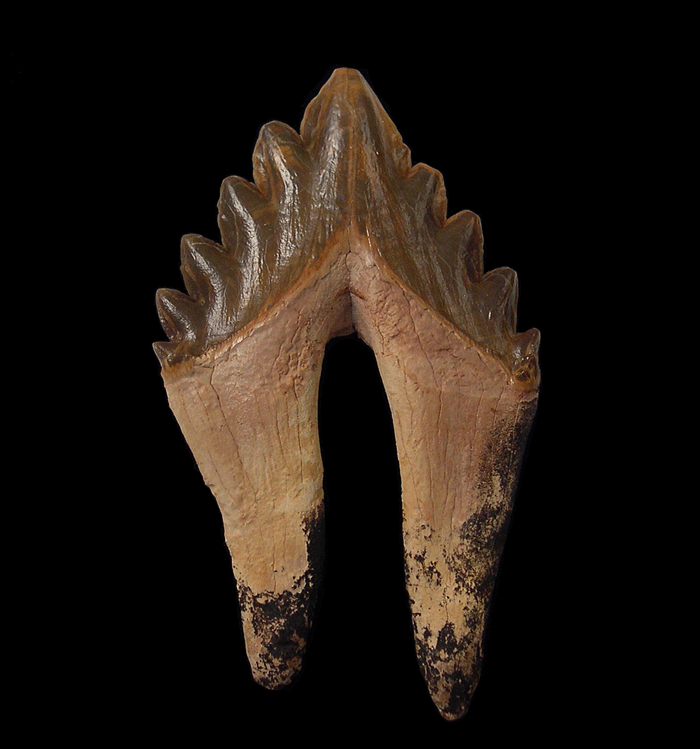
Imagine standing on a dry Texas plain and realizing that millions of years ago, the very ground beneath your feet was part of a shallow sea. The fossils hidden in this soil carry the whispers of those waters, reminding us of colossal creatures that once ruled the ocean. Among the most prized relics from this era is the megalodon shark tooth that Texas collectors often dream of finding. Holding one feels like having a fragment of the ocean’s most legendary predator—a physical link to an age when sharks grew longer than buses and seas teemed with prehistoric life.
As we transition from the introduction to the details, let’s explore what makes these fossils so fascinating and why Texas has become such a captivating destination for fossil hunters.
Texas and Its Prehistoric Waters
Millions of years ago, Texas was not the arid landscape it is today. Much of the region was covered by warm, shallow seas that supported thriving marine life. It was in these ancient waters that sharks swam freely, leaving behind teeth that would later fossilize into treasures.
What makes Texas especially unique is the variety of marine fossils found within its rock layers. Beyond shark teeth, ammonites, marine reptiles, and shells, these fossils reveal a time when life beneath the waves thrived. Every tooth found in this terrain carries both the weight of geological change and the story of survival and adaptation.
Why Shark Teeth Fossilize So Well
Sharks are different from most animals in one fascinating way: their skeletons are made of cartilage, which does not preserve well over millions of years. Teeth, however, are another story. They are made of highly durable enamel, and sharks lose thousands of teeth in their lifetime. When these teeth fell to the ocean floor, they were quickly buried by sediment. Over time, minerals replaced the organic material, transforming the teeth into fossils we can discover today.
This explains why collectors and fossil hunters often come across teeth in regions where other remains are scarce. Shark teeth possess a durability that withstands the test of time, surviving long after other traces have vanished.
The Legendary Size of Megalodon Teeth
When you first see a megalodon tooth, the scale is often breathtaking. These teeth can measure more than six inches in length—some even larger. To put that in perspective, they dwarf the teeth of modern great white sharks. A single tooth serves as a reminder of the massive jaws capable of consuming prey that included whales and other large marine animals.
Collectors prize these fossils not only for their size but for their rarity and condition. A well-preserved megalodon tooth with serrations intact can be a centerpiece of any collection, reflecting both the craftsmanship of nature and the mystery of the ocean’s most dominant predator.
Fossil Hunting in Texas: Where Stories Begin
Texas has become a renowned site for fossil enthusiasts. Streams, creeks, and ancient riverbeds are often places where hunters seek treasures. Although each discovery requires patience, the thrill of uncovering a fossil that hasn’t been seen in millions of years is unparalleled.
Hunting responsibly is crucial, as it enables future generations to experience the same thrill of the outdoors. Many choose to explore well-known areas or purchase authentic specimens from trusted sources to ensure that their collection practices are ethical and responsible.
Connecting with Prehistory Through a Tooth
One of the most remarkable aspects of finding or holding a fossilized shark tooth is the direct connection it provides to the past. Unlike abstract history written in books, a fossil is tangible. It has weight, texture, and character. Each groove and serration tells a silent story of evolution, survival, and extinction.
For children, these fossils can spark a lifelong curiosity in science. For adults, they serve as reminders of Earth’s deep history, of creatures that once dominated the seas long before humans appeared. A tooth becomes more than a relic—it is an invitation to reflect on time itself.
Caring for Fossilized Shark Teeth
Once a tooth is found or purchased, proper care ensures that its beauty lasts. Cleaning typically involves gentle methods to prevent damage to the fossil. Displaying the tooth in a case or stand not only preserves it but also allows it to be appreciated on a daily basis.
Collectors often categorize their finds by location, size, and condition. A tooth from Texas, for instance, may carry additional value because of the unique geological story the region tells. These pieces become both a hobby and a bridge between science and artistry.
The Middle of the Journey: From Curiosity to Collection
For many, the fascination begins with one discovery or purchase. That initial spark often leads to learning about different shark species, comparing the sizes of teeth, and even researching the geological layers where these fossils are found. Over time, a casual curiosity can evolve into a comprehensive collection, where each tooth carries not only scientific significance but also personal memories.
It is during this stage that many collectors realize the importance of provenance. Knowing whether a specimen originated in Florida, South Carolina, or Texas provides context and enhances appreciation for its origin. These details transform fossils into storytellers, each adding a chapter to the collector’s narrative.
The Bigger Picture: Conservation and Respect
While collecting fossils is exciting, it also comes with responsibility. Fossils are non-renewable resources; once they are removed from their natural setting, their scientific context may be lost. This is why ethical sourcing is so critical. Supporting responsible sellers or following guidelines while fossil hunting ensures that both collectors and researchers benefit.
By treating these fossils with respect, collectors help preserve an essential part of Earth’s history. Each tooth saved and cared for allows future generations to study, appreciate, and wonder.
Bringing History Home
For those who have never seen a megalodon tooth in person, the experience can be humbling. The size, the detail, and the sheer presence of these fossils are unlike anything else. Having one displayed at home or in a collection brings the grandeur of prehistory into daily life. It is both a conversation starter and a personal connection to an era when sharks were the undisputed rulers of the sea.
Conclusion: A Fossilized Reminder of Giants
In the end, a tooth is more than stone. It is a message carried across millions of years, telling us about creatures that shaped the marine world long before humans existed. From rivers and creeks in Texas to carefully curated collections, these fossils remind us that Earth’s history is vast, and we are fortunate to hold even a small piece of it.
For anyone interested in exploring fossils, whether through hunting or collecting, a megalodon shark tooth in Texas offers a glimpse into a world that shaped the oceans we know today. It is an artifact of science, a spark for imagination, and a treasure worth cherishing.
If you’ve ever dreamed of connecting with the ancient past, now is the time to begin your journey. Explore opportunities to add a fossilized tooth to your collection, seek out resources to learn more about prehistoric life, and share the wonder of discovery with others. After all, history is most alive when we engage with it ourselves.