

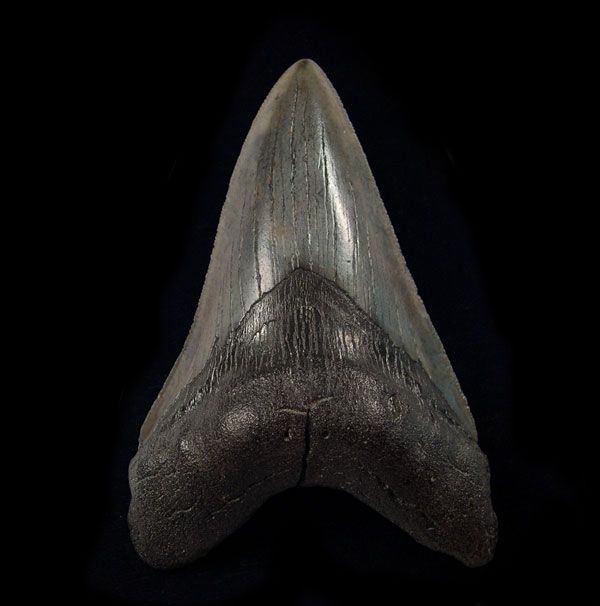
Long before modern coastlines formed, giant predators ruled the seas. Among the most fascinating remnants of that era are the fossilized teeth of the megalodon, a prehistoric shark that once dominated waters millions of years ago. Many travelers and collectors are drawn to the allure of these fossils, wondering where to find megalodon teeth in Florida. This question continues to inspire beachcombers, divers, and history enthusiasts who seek more than seashells when walking along the shore.
Fossil hunting is not only about discovering fragments of the past but also about experiencing nature with a different perspective. Each tooth carries a story of survival, strength, and the passage of time. With a thoughtful approach, the journey to uncovering these treasures becomes as meaningful as the discovery.
Why Florida is a hotspot for megalodon teeth
Florida holds a unique place in the field of fossil exploration. Its sandy riverbeds, shallow waters, and coastal erosion make it an ideal environment for fossils to surface. Millions of years ago, the region was submerged under warm oceans that provided the perfect habitat for the megalodon. As waters receded, layers of sediment preserved their remains beneath what is now dry land and rivers.
This combination of geological history and constant natural reshaping ensures Florida remains one of the best states to encounter fossils. Collectors often find that Florida offers not only quantity but also surprising quality in terms of fossil preservation.
Popular spots along the coastline
Some areas along Florida’s west coast are renowned among fossil hunters. Beaches such as Venice Beach are often nicknamed the “shark tooth capital” for good reason. The currents and wave activity in this region help unearth teeth from the seabed, making them easier to spot on the sand.
For visitors, a morning walk along such beaches can feel like a treasure hunt. With patience, a sharp eye, and sometimes a small sifting tool, it is possible to come across fossilized teeth ranging in size from small fragments to larger specimens that carry a heavier weight in both size and historical significance.
Exploring Florida’s rivers for hidden fossils
While beaches attract casual collectors, rivers present opportunities for more adventurous seekers. The Peace River, in particular, is a favorite destination. Flowing through central Florida, it has yielded countless fossils to divers and collectors over the years. The sandy bottom conceals not only shark teeth but also remains of other marine and terrestrial creatures from long ago.
Wading or diving in rivers requires preparation and safety measures, but the experience of uncovering fossils in their natural resting place makes the effort worthwhile. Each discovery feels more personal, as if the river itself has shared a secret with those willing to explore.
Tools and techniques for fossil hunting
Success in fossil hunting often depends on preparation. While luck plays a role, the right approach increases the chances of discovery.
● Sifting screens: Small, handheld or larger-framed sifters help separate sand and shell fragments, making it easier to spot dark, fossilized teeth.
● Diving gear: For river explorations, snorkeling or scuba gear may be necessary to reach deeper layers.
● Good timing: Early mornings, after storms, or low-tide walks often provide the best chances to find fossils exposed by shifting sands.
By blending patience with these simple tools, the process becomes not only practical but enjoyable.
The thrill of discovery
What sets fossil hunting apart from other hobbies is the element of surprise. A single walk may yield nothing, but the next step might uncover a piece of history that has remained untouched for millions of years. This unpredictability is what makes each hunt thrilling.
Finding a megalodon tooth is more than a collector’s achievement. It represents a connection to an era when oceans held giants, when survival required incredible strength, and when nature shaped creatures beyond imagination. For many, the moment of having such a fossil is unforgettable.
Ethical and legal considerations
Before heading out, it is essential to be aware of local guidelines. Certain areas require permits for fossil collection, particularly those managed by the state, such as rivers and other natural resources. Responsible hunting ensures that the activity remains sustainable for future explorers and protects essential archaeological and paleontological sites.
Collecting with care not only safeguards natural history but also enriches the experience by encouraging respect for the environments where these fossils are found.
Caring for your fossil finds
Once a fossilized tooth is discovered, proper care helps preserve its condition. Gently rinsing it in fresh water removes sand and debris. For larger or more fragile pieces, soft brushes can help clean without causing scratches. Avoid harsh chemicals, as they can damage the fossil’s surface.
Some collectors prefer leaving their finds in their natural state, while others may lightly polish them to highlight their structure. Regardless of approach, handling with care ensures these fossils remain treasured keepsakes for years to come.
Why collecting connects us to the past
Each fossil carries more than its physical form. It embodies an era of natural history that shaped the modern world. Collecting these remnants allows people to bridge the distance between present-day life and ancient oceans. For families, it offers a way to spark curiosity in younger generations, teaching them about prehistoric creatures in a hands-on and engaging manner.
Sharing these finds with others often creates conversations that spread awareness of Earth’s long and fascinating history.
Conclusion: Your journey into ancient seas
Florida offers an environment unlike any other for fossil seekers, and many travelers continue to be drawn to its rivers and beaches for the chance to discover a piece of prehistory. If your question is where to find megalodon teeth in Florida? The answer lies not only in specific locations but also in the willingness to explore with patience and curiosity. These fossils remind us of a world long gone but never forgotten.
By preparing carefully, respecting nature, and enjoying the journey, your hunt becomes more than a search—it transforms into a meaningful connection with history.
Ready to begin your own search for ancient shark fossils? Gather your gear, head to Florida’s rivers and beaches, and start exploring. Every discovery carries the thrill of history waiting to be held in your hands. For more insight and resources on megalodon fossils, explore Buried Treasure Fossils and start planning your fossil-hunting adventure today.






