

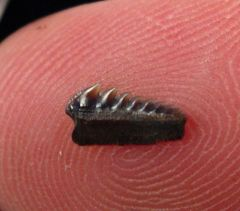
Imagine walking along a quiet British beach, minding your own business, when you spot something sticking out of the sand. Not seaweed. Not a lost flip-flop. But something jagged, sharp, and ancient-looking. Could it be… a megalodon tooth in the UK? Sounds bonkers, right? But believe it or not, it's very possible.
The idea may sound like a scene from a sci-fi movie, but this is one fossil mystery that’s rooted in fact. Let’s bite into the details.
Meet the Megalodon, A Shark of Terrifying Proportions
Long before Jaws terrified swimmers, there was Megalodon, the original apex predator. Picture a shark the size of a school bus, with teeth as long as your hand. Now imagine hundreds of those teeth. That’s not a fish story, it’s fossil truth.
The megalodon lived millions of years ago, and it ruled the oceans like a boss. This mega-shark had bite power strong enough to crush bones and boats alike. It’s no wonder that finding a megalodon tooth in the UK feels like discovering a prehistoric treasure chest.
Hold onto that thought as we travel back in time.
When Britain Was Shark-Friendly?
Believe it or not, the UK wasn't always grey skies and drizzle. Millions of years ago, this region was covered in warm, shallow seas, a perfect playground for prehistoric sharks. These ancient waters teemed with fish, marine reptiles, and, yes, even the mighty Megalodon.
So when someone says they found a megalodon tooth in the UK, don’t roll your eyes. They’re probably telling the truth. Britain's ancient coastlines were once the hangout spots of creatures we now only see in museums. Let’s explore what makes these discoveries so special.
Why UK Megalodon Teeth Are Rare, and Valuable?
Megalodon fossils have been found around the world, from the Americas to Asia. But in the UK, they’re a bit of a rare gem. That’s what makes a megalodon tooth in the UK so exciting; it’s not something you find every day at your local fossil fair.
Collectors love them. Scientists study them. And beachcombers dream of finding one. Each tooth tells a story of an ancient predator and a vanished ocean. That kind of fossil magic makes even the most skeptical fossil hunter raise an eyebrow. But where exactly are these fossils found?
Where Can You Find a Megalodon Tooth in the UK?
There are a few spots in Britain that are fossil-hunter favorites. Norfolk is one of them. The cliffs there are slowly eroding, which helps expose ancient secrets. So if you’re going to spot a megalodon tooth in the UK, that’s a good place to start.
Suffolk and parts of the Isle of Sheppey also make the list. You won’t trip over one on every stroll, but some lucky folks have found these teeth poking out of the clay like nature’s lost treasure. So what do you do if you think you’ve seen one?
Is It Real? How to Spot an Authentic Megalodon Tooth
Not every giant tooth you find on eBay is the real deal. If you think you’ve found a megalodon tooth, there are a few things to check.
First, feel the weight. Fossilized teeth are heavy. Light means fake. Then, check the surface. Real ones show natural wear and tiny ridges. If it looks too perfect, it’s probably a replica. Lastly, the color of genuine teeth varies depending on the minerals present in the soil in which they fossilized. When in doubt, ask an expert. They’ll help confirm if your treasure is legit.
Sharks That Lose Teeth Like We Lose Socks
Here’s a wild fact: sharks lose thousands of teeth in their lifetime. It’s like a conveyor belt in their mouths, new teeth grow in, old ones fall out. That means every megalodon tooth in the UK is just one of thousands that the beast may have dropped during its lifetime.
Still, the ocean didn’t exactly keep a tidy tooth collection. Most teeth break down over time or get buried forever. That’s why finding one today is such a rare thrill; it’s a survivor from an ancient sea. But how do we know megalodons were ever here?
What Science Says About Megalodons in Britain?
Scientists use sediment layers, marine fossils, and studies of coastal erosion to determine where ancient creatures once lived. And yes, the science backs it up. Discoveries of marine fossils from the Miocene epoch indicate that the waters surrounding the UK were once warm and teeming with aquatic life.
That gives serious weight to the idea of a megalodon tooth in the UK. These giant sharks weren’t picky eaters; they followed their prey across the globe. If the UK’s seas were full of tasty snacks, you can bet megalodons showed up for dinner. Let’s talk about the value next.
Are These Teeth Worth Money? You Bet.
Besides being awesome, a megalodon tooth in the UK can be worth a fair bit of cash. Size matters; the bigger the tooth, the higher the price. Color, condition, and location also play a role.
But even if your tooth doesn’t make you rich, it’s still priceless in terms of history. It’s a chunk of time you can hold in your hand. You don’t need to be a scientist to appreciate how cool that is. Still, there’s more to learn than just price tags.
What Can a Tooth Tell Us?
A lot. A megalodon tooth in the UK can give scientists clues about the shark’s diet, size, age, and even health. The wear on the edges tells a story. Was the shark biting bone or soft fish? Was it a young or an old veteran of the sea?
These clues help paint a bigger picture of prehistoric life. Every fossil is a puzzle piece, and megalodon teeth are some of the sharpest tools we have for studying Earth’s marine past. Let’s talk about something even more fun: finding one yourself.
How can you hunt for Your Prehistoric Treasure?
If reading about all this has you itching for adventure, you’re not alone. Fossil hunting is a popular hobby, and who wouldn’t want to find a megalodon tooth in the UK?
Start with safety. Coastal areas like Norfolk can be unstable, so be sure to check tide times and wear proper footwear. Bring a small shovel or trowel, a container for finds, and, most importantly, patience. Sometimes it takes hours or even days, but the payoff is worth it. Let’s say you find one; what’s next?
What to Do If You Find a Megalodon Tooth?
If you’re lucky enough to find a megalodon tooth in the UK, first, do a little victory dance. Then, rinse it gently, take clear photos, and contact a fossil expert for verification.
You might also consider donating it to a local museum, especially if it’s from a protected site. Or keep it as your piece of prehistory, a reminder that giants once swam where you now stand. Now, let’s settle the central question of this blog.
So, Did a Megalodon Lose Its Tooth in the UK?
In short: Yes. And probably many. These sharks dropped teeth like breadcrumbs, and the UK’s ancient seas were clearly on their travel route. Finding a megalodon tooth in the UK is rare, but it’s no myth. It’s a bite-sized piece of Earth’s incredible story.
So next time you’re at the beach, keep your eyes open. You never know what ancient jawbone leftovers might be waiting just underfoot.
Want to Join the Fossil Hunt? Start Today!
If you’re feeling inspired, why not embark on your fossil adventure? Who knows, your next beach stroll might end with a megalodon tooth in the UK in your pocket.
● Grab a fossil guidebook and hit the coast!
● Share this blog with your fellow fossil fans.
● Follow the fossil trail and uncover ancient secrets that have been hidden in plain sight.
Fossils aren’t just for museums, they’re waiting for curious minds like yours.






