

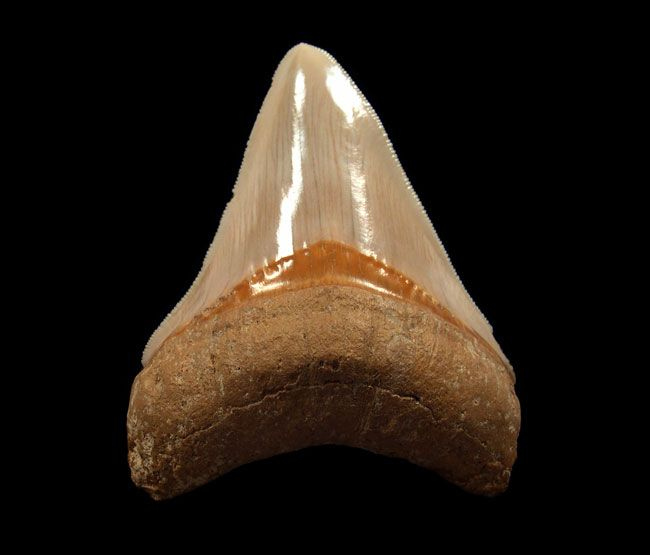
Let’s say you’re walking along a sunny beach in Florida, toes in the sand, sunglasses on, when you spot something buried near your foot. It’s no seashell. It's huge, serrated, and darker than the sand around it. That’s no ordinary beach find, you may have just discovered a Carcharodon megalodon shark tooth in Florida hunters spend years searching for.
And no, you’re not dreaming. The chances of finding a fossilized megalodon tooth in Florida are very real, and ridiculously cool. Now let’s sink our teeth into the story of these ancient giants.
Because yes, this blog will bite, back in time.
Meet the Megalodon: The Shark That Ate Other Sharks for Breakfast
Before we talk teeth, let’s talk shark. The megalodon, often referred to as Carcharodon megalodon, was the largest shark to ever exist. Stretching up to 60 feet long (about three school buses), this prehistoric predator dominated Earth’s oceans between 23 to 3.6 million years ago.
This super-shark didn’t just hunt, it owned the seas. Scientists believe its bite was strong enough to crush a car, and its diet likely included whales, dolphins, and pretty much anything that swam nearby.
Luckily, all we have left today are its teeth, which, let’s be honest, are scary enough.
Speaking of scary, let’s talk Florida.
Why Florida Is a Tooth Treasure Trove?
If the megalodon had a favorite vacation spot, it was probably Florida. Back when these creatures were alive, most of the state was underwater. Shallow seas, warm temperatures, and plenty of marine life made it a megalodon’s dream hunting ground.
That’s why Carcharodon megalodon shark tooth fossils are so commonly found today. Florida’s rivers and coastlines, especially places like Venice Beach, the Peace River, and Bone Valley, are rich in prehistoric sediment.
So if you’ve got a sifter and a little patience, Florida might just give you a toothy surprise.
And once you’ve got the location, you’ll want to know what you’re actually looking for.
What Does a Megalodon Tooth Look Like (And Why Is It So Cool)?
Here’s the short version: they’re huge, they’re ancient, and they’re awesome. A typical Carcharodon megalodon tooth can be up to 7 inches long and 5 inches wide. Think smartphone-sized, only heavier and a lot more dangerous (back in the day, at least).
What makes a Carcharodon megalodon shark tooth so special isn’t just its size, though. Many of them are beautifully preserved. You’ll find teeth in shades of grey, black, red, or even blue, colors created by the minerals in the surrounding sediment over millions of years.
They’re like nature’s jewelry, but way more hardcore.
Ready to hunt one down?
From Rivers to Beaches: Where to Find Megalodon Teeth in Florida
Now we’re talking business. You don’t need to be a paleontologist to find these fossils, you just need the right spot and a little luck. Here are a few prime locations where people regularly uncover megalodon teeth:
● Venice Beach: Known as the “Shark Tooth Capital of the World.”
● Peace River: Fossil-rich waters, perfect for digging and sifting.
● Bone Valley: One of the most fossil-rich areas in the entire U.S.
If you’re hunting for a Carcharodon megalodon shark tooth, don’t forget to check local regulations. Some areas require permits to collect fossils.
Don’t worry, it’s worth the paperwork.
To Dig or to Buy? That Is the Question
Now, maybe digging through river mud isn’t your thing. We get it. The good news is, you can still get your hands on a genuine Carcharodon megalodon tooth without getting your feet wet.
Many reputable sellers offer ethically sourced fossils, including stunning Carcharodon megalodon shark tooth specimens. These often come with authentication and details about where they were found and how they were preserved.
Plus, buying saves you from sunburns and unexpected encounters with Florida’s more modern wildlife, looking at you, gators.
Let’s talk about spotting the real deal.
How to Tell if a Megalodon Tooth Is Real (No Fooling Around Here)?
With great fossils comes great fakery. The popularity of Carcharodon megalodon teeth has led to an increase in replicas and outright fakes. Here’s how to avoid being scammed:
● Too perfect? It’s probably fake. Natural fossils have imperfections.
● Plastic-y texture? Real teeth feel solid and gritty.
● Seller seems shady? Trust your gut, and check reviews.
A genuine Carcharodon megalodon shark tooth will be dense, slightly worn, and potentially even chipped. That’s not damage, it’s character earned over millions of years.
Always buy from sources that guarantee authenticity, no exceptions.
Why We’re All So Obsessed with Megalodon Teeth?
Is it the size? The rarity? The connection to an ancient apex predator? Probably all three. But part of the magic of a Carcharodon megalodon tooth is the feeling it gives you.
You're literally holding history.
And when it’s a Carcharodon megalodon shark tooth, you’re holding a piece of the Sunshine State’s ancient underwater story. It’s like a time machine you can display on your shelf, or show off to your jealous friends.
Let’s be honest: it’s way cooler than a souvenir magnet.
Fossil Hunting as a Hobby: Welcome to the Club
You don’t need fancy equipment to start fossil hunting. In fact, beginners often score big just by using a sifter, shovel, and screen. And once you find your first tooth, the thrill kicks in.
Hunting for Carcharodon megalodon shark tooth fossils can be calming, exciting, and even a little addictive. It's also a great family activity, whether you're exploring creeks, beaches, or shallow riverbanks.
Just remember: fossil hunting requires patience. But once you find that first tooth, you’ll be hooked, literally and figuratively.
And if you’re not into the muddy route, don’t worry, we’re not done with shopping tips yet.
Buying a Tooth? Here’s What to Look For
If you’re buying instead of digging, go for quality and transparency. Here’s your shopping checklist:
● Size matters, but condition matters more.
● Color and location can impact value.
● Certification is a must, ask questions.
A true Carcharodon megalodon shark tooth will usually include details like the age, location found, and whether it’s been restored. Many collectors prefer 100% natural with no touch-ups.
Remember: this isn’t just a purchase. It’s a prehistoric investment.
Meg Teeth Make Awesome (and Strange) Gifts
Still thinking about a gift for that person who has everything? How about a Carcharodon megalodon tooth? It’s weird, wonderful, and wildly unforgettable.
Perfect for birthdays, anniversaries, graduation, or “just because you’re awesome” days. A Carcharodon megalodon shark tooth fossil beats socks any day of the week.
Plus, it’s guaranteed to spark conversations, from “What the heck is that?” to “Where can I get one?!”
Caring for Your Fossil: No Toothpaste Required
Once you get your fossil, care is simple but important. Keep your tooth in a dry, cool place, preferably in a display case or on a stand.
Avoid direct sunlight and never soak it in water. If it gets dusty, use a soft brush or dry cloth. A Carcharodon megalodon shark tooth fossil is tough, but remember, it’s been through millions of years already, no need to rough it up now.
Take care of it, and it’ll outlive your furniture.
So, Can You Really Own a Piece of a Monster? Absolutely.
To wrap it all up: yes, the Carcharodon megalodon did lose its teeth in Florida. Thousands of them, actually. And yes, you can own one. Whether you find it in the wild or buy one from a trusted source, a Carcharodon megalodon shark tooth fossil is your ticket to owning a piece of Earth’s epic history.
So the next time you’re at the beach, keep your eyes open. Who knows? You might just bring home something older, and cooler, than you ever imagined.
Dive into Florida’s prehistoric past today, whether you’re digging in the dirt or clicking “Add to Cart.” Just be warned… collecting is very addictive.






