If you’ve ever wanted to combine adventure, history, and just a touch of danger, then welcome to the wild world of megalodon tooth hunting. Imagine sifting through muddy water, heart racing, when suddenly, bam!, a massive, fossilized tooth appears on your screen. It’s part treasure hunt, part time travel, and part “please don’t let that be a gator splashing behind me.”
This isn’t your typical beach vacation. It’s dirty, wet, and wildly satisfying. Let’s get you ready to find prehistoric shark teeth and maybe, just maybe, keep all your toes while you’re at it. So, where do you begin this epic hunt for ancient teeth? Let’s explore.
Why Megalodon Teeth Are a Big Deal?
Millions of years ago, the megalodon ruled the oceans. With teeth the size of your hand and jaws wide enough to swallow a whale, this prehistoric predator left behind one of the most fascinating (and collectible) fossils on the planet. That’s why megalodon tooth hunting has become a bucket-list adventure for fossil lovers everywhere.
Florida’s rivers and coastlines are some of the best places in the world to find these massive teeth, buried in gravel beds or hidden under layers of sand and clay.
But before you jump into the water, you’ll need to know where to look next.
Top Spots to Find Megalodon Teeth
When it comes to megalodon tooth hunting in Florida, location is everything. You won’t find much in a swimming pool or your backyard (unless you live on Peace River—which, lucky you). The real action happens in rivers, beaches, and hidden creeks.
Peace River is a popular choice. It’s shallow, accessible, and known for its fossil-rich gravel beds. Then there’s Venice Beach, the self-proclaimed Shark Tooth Capital of the World. You don’t even need to get wet, just stroll the shore and start sifting.
If you’re feeling extra bold, hit lesser-known spots like Myakka River or Suwannee River, where the finds are better but the gators are more curious. Once you’ve picked a spot, the next thing you’ll need is gear.
What You’ll Need to Dig Up Prehistoric Gold?
Before heading out for megalodon tooth hunting, pack the right tools. This isn’t just a stroll in the park, well, unless the park is knee-deep in mud.
Here’s your fossil-hunting starter pack:
● Long-handled shovel – For digging deep into the gravel.
● Floating sifter – Keeps your hands free and your teeth (fossil ones) in plain sight.
● Water shoes or waders – Swampy waters are no place for flip-flops.
● Backpack or fossil bag – Something sturdy and waterproof.
● Fossil permit – Required if you collect anything beyond shark teeth.
With your tools in hand, you're ready to learn how to actually find these ancient shark souvenirs.
How to Spot a Meg Tooth from a Rock?
Let’s be honest: the first time you dig, everything looks like a tooth. Rocks, shells, bottle caps from 1982, you name it. But with some practice, megalodon tooth hunting in Florida becomes a game of trained eyes and patient hands.
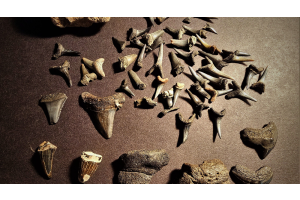
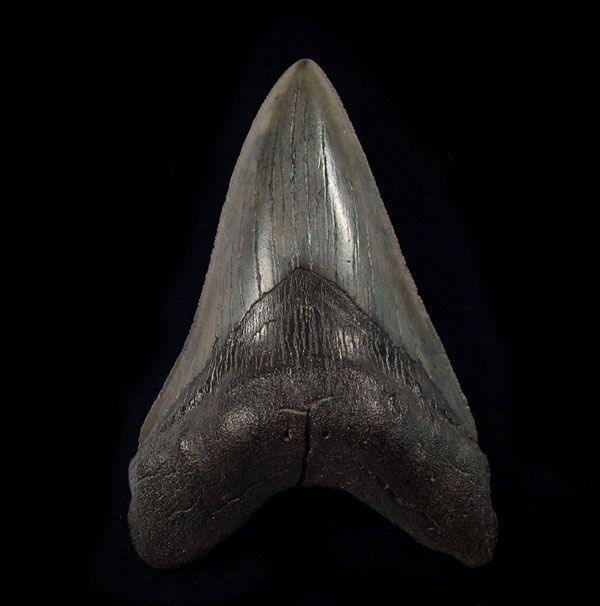
Megalodon teeth are usually black, gray, or brown. They’re heavier than most rocks, and the shape is unmistakable, broad, triangular, and often serrated. Once you find one, you’ll get hooked. Every scoop starts feeling like a lucky dip.
Of course, you’re not alone out there. Let’s talk about the big, scaly locals.
Staying Safe While Wading with Gators
Now, about those ancient reptiles that are still very much alive, yes, we mean alligators. When megalodon tooth hunting in Florida, safety is not optional.
● Don’t hunt alone. Bring a friend, or at least someone slower than you (kidding… mostly).
● Avoid hunting at dawn or dusk. Gators like breakfast and dinner.
● Stick to shallow waters where visibility is better.
● Never, ever feed wildlife. That includes tossing chicken wings at alligators.
Gator run-ins are rare, but staying aware of your surroundings is just smart fossil hunting. With the basics of safety out of the way, let’s clean up your first big find.
Cleaning and Caring for Your Fossil Finds
After a solid day of megalodon tooth hunting, your precious discoveries will likely be coated in river mud and mystery goo. Time for a cleanup.
Rinse the tooth in fresh water to remove surface dirt. A soft toothbrush works wonders for stubborn debris. Avoid harsh chemicals or soaps; fossils are ancient and delicate. Once clean, pat it dry and store it in a safe spot.
Whether you keep it in a display case, shadow box, or your pocket for bragging rights, your meg tooth will likely become your new favorite conversation starter. But wait, are you even allowed to take these home?
Do You Need a Permit?
Here’s a legal twist to megalodon tooth hunting in Florida: it’s perfectly legal to collect shark teeth without a permit. However, if you’re collecting vertebrate fossils, like bones from mammoths or saber-toothed cats, you’ll need a Florida Fossil Permit.
It’s easy to get and costs just $5 a year through the Florida Museum of Natural History. It’s also a great way to support scientific research and protect fossil sites. So, get your permit, know the rules, and fossil on like a responsible adventurer.
Ready for a few pro tips? Let’s boost your game.
Pro Tips from the Tooth-Hunting Pros
Want to level up your megalodon tooth hunting in Florida? Here are some time-tested tips from veteran fossil hunters:
● After heavy rains, floods often uncover new gravel beds.
● Hunt during the dry season when water levels are low.
● Don’t rush. The best finds come to those who sift patiently.
● Watch for signs of gravel; fossils love settling in heavy, chunky sediment.
● Network! Online forums and local fossil groups are gold mines of info (and sometimes spots).
With these tips, you’re on your way to being a top-tier tooth hunter.
But what about the “hunting” part? Can you actually make money from this?
Can You Sell Your Finds?
Yes, many people turn their megalodon tooth-hunting hobby into a small business. A large, intact megalodon tooth can sell for hundreds—or even thousands—depending on condition, size, and color.
However, it’s important to know that if you collected the tooth on state land or in a protected area, it may be illegal to sell it. Always check land ownership and fossil laws before listing anything on eBay.
That said, most people keep their best finds. And let’s be real—bragging rights are priceless.
So, what’s next?
Final Thoughts: Join the Club
Megalodon tooth hunting isn’t just about fossils. It’s about the thrill of the search, the splash of cold river water, the “Is that a rock or... oh my gosh it’s a tooth!” moment.
You’ll make memories, maybe get a little muddy, and definitely learn something new. From families and hobbyists to serious fossil fanatics, there’s a little something for everyone in Florida’s prehistoric playground.
Whether you find a handful of broken shards or the perfect 6-inch specimen, every hunt is a story worth telling.
And if you're reading this... consider yourself officially invited to Bite Club.
Let the Hunt Begin
Why wait? Grab a shovel, find your river, and jump into megalodon tooth hunting in Florida.
Plan a fossil-hunting trip this weekend
Tag your finds on social media (#BiteClub)
Share this blog with your fossil-loving friends
Adventure, fossils, and fun, Florida’s rivers are calling. Just don’t forget your bug spray.