A Rare Discovery Making Waves
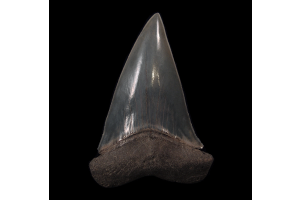
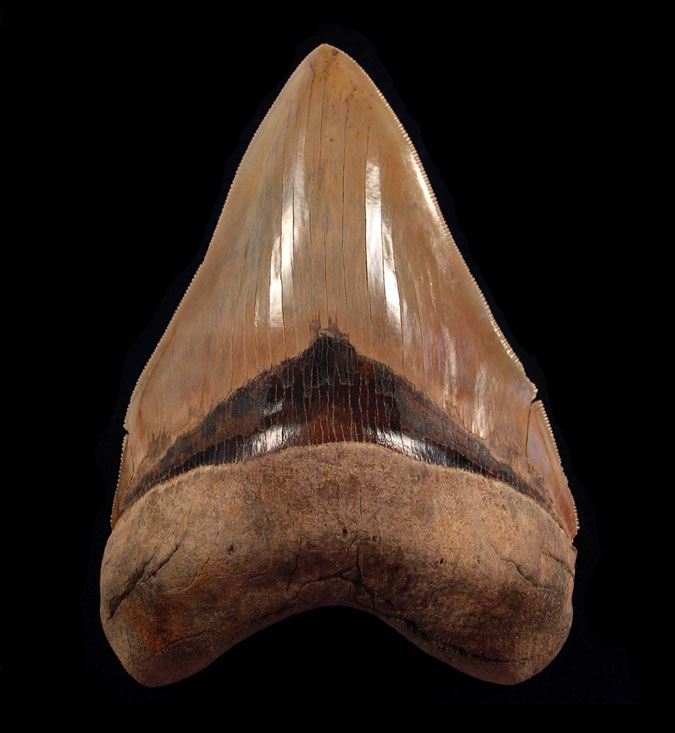
Fossil enthusiasts and collectors are buzzing about a stunning find from West Java, an Indonesian Megalodon tooth that stands out for its sharp serrations, massive size, and astonishing preservation. What makes this tooth special is how well it survived millions of years underground, almost as if it were just freshly lost.
Indonesia has recently become a hotspot for remarkable shark fossils, and the Indonesian Megalodon tooth is leading the charge. It’s rare to find such a complete specimen with vivid color and intact enamel, and this discovery is raising some exciting questions: Could this be the best-preserved Megalodon tooth ever seen in Indonesia?
West Java: The Fossil Treasure Chest
Paleontologists have long recognized West Java’s limestone hills as a hotspot for fossils. The region’s unique geology — including mineral-rich sediment and slow fossilization- protects delicate fossil details that other locations lose over time.
Thanks to these conditions, the Indonesian Megalodon tooth often retains its serrated edges and vibrant coloration, making each specimen a treasure trove for both scientists and collectors.
Local diggers carefully excavate these teeth, ensuring the fossils remain intact and pristine. The combination of natural preservation and expert handling is why these teeth are becoming the envy of fossil hunters worldwide.
Color That Pops Like a Natural Gem
Many fossilized Megalodon teeth appear in dull grays or muddy browns, but those from Indonesia stand out. The Indonesian Megalodon tooth often appears in stunning hues, deep reds, golden yellows, purples, and even hints of blue.
These bright colors come from minerals in the local soil that seep into the tooth over millions of years. It’s like Mother Nature took extra care to give each tooth its unique paint job.
Collectors and museums alike prize these colorful fossils, not just for their scientific importance but for their natural artistry.
Razor-Sharp Serrations Still Intact
One of the most impressive features of the Indonesian Megalodon tooth is its serrated edges. While fossils from other parts of the world often have worn-down or broken serrations, Indonesian teeth frequently display razor-sharp edges, as if they could still slice through prey.
These fine details help researchers learn more about how Megalodons hunted and ate, shedding light on the behavior of the ancient ocean’s top predator.
For fossil collectors, sharp serrations also make for an eye-catching display piece that looks menacing but is perfectly safe on your desk.
Roots That Reveal Ancient Secrets
Many fossil teeth lose their roots during the fossilization process or excavation, but the Indonesian Megalodon tooth often comes with its root intact. The roots are thick and strong, sometimes with a beautiful texture that tells a story of millions of years.
The presence of a well-preserved root is significant for scientists because it enables them to identify the age and species more accurately. It also means the tooth wasn’t ripped from the jaw but gently separated over time, a sign of careful preservation.
Hard Work Behind the Scenes
Finding a top-quality Indonesian Megalodon tooth is no easy task. Local miners dig through tons of limestone and soil by hand, sometimes for weeks, to uncover just one exceptional tooth.
The effort required means each fossil is precious, making it all the more valuable to collectors and museums.
After excavation, the fossils undergo careful cleaning and stabilization to prevent them from cracking or fading. It’s a labor-intensive process that’s worth every bit of time for the fantastic results.
When Fossils Become Art?
With their vibrant colors and perfectly serrated edges, Indonesia Megalodon tooth specimens are not only scientific wonders but also natural works of art.
Collectors often display them in glass cases or use custom stands to highlight their beauty. These teeth serve as conversation starters — prehistoric trophies that spark curiosity and admiration.
Whether you're a paleontologist or a fossil enthusiast, owning such a tooth feels like holding a piece of ancient history — and a natural masterpiece.
Why Indonesian Teeth Are Unique?
Why do Indonesian Megalodon tooth fossils look so different from those found elsewhere?
The answer lies in the geology. The sediment around West Java is packed with minerals like iron and manganese, which slowly replace the organic material in the tooth, preserving its color and structure. The soil’s low acidity also helps prevent enamel from eroding.
This rare combination creates fossils that are more colorful, durable, and detailed than typical Megalodon teeth found in places like North America or South America.
Comparing Global Fossil Sites
Megalodon teeth have been found worldwide, but the quality varies greatly. While sites in the U.S., Chile, and Peru yield impressive fossils, many show heavy wear, cracks, or faded colors.
That’s why the Indonesian Megalodon tooth is highly sought after, it combines scientific value, rarity, and eye-catching appeal.
Collectors and museums now prioritize Indonesian finds, sometimes paying a premium for the best specimens. It’s a global trend that’s reshaping how we appreciate these prehistoric giants.
Spotting the Real Deal
With rising demand comes the risk of fake fossils. Unfortunately, some sellers try to pass off replicas or enhanced specimens as genuine Indonesian Megalodon tooth fossils.
If you’re thinking of buying, here are some tips:
● Check for fully serrated edges and natural enamel shine
● Verify provenance by asking where and when it was found.
● Examine the root for natural texture and color.
● Be wary of prices that seem too low for such a rare find
Following these tips can help you avoid costly mistakes and ensure you own an authentic piece of history.
Fossils as Smart Investments
In recent years, the value of high-quality Indonesian Megalodon tooth fossils has steadily increased.
As sites become harder to access or are protected by law, the supply tightens. This scarcity means that rare teeth can sell for thousands of dollars, sometimes doubling in value over a few years.
For collectors, fossils like these are not just about passion; they’re smart investments that combine beauty, science, and financial potential.
Could This Be the Best-Preserved Tooth Ever?
With vibrant enamel, sharp serrations, and an intact root, it’s easy to argue that the Indonesian Megalodon tooth ranks among the best Megalodon teeth ever found.
While “best” is always subjective, few fossils match Indonesia’s specimens in quality and rarity.
Whether you’re fascinated by the Megalodon’s history or love collecting fossils, these teeth represent a unique chance to own a well-preserved piece of the prehistoric ocean.
Start Your Fossil Journey Today
If you’re ready to dive into the fascinating world of fossils, an Indonesian Megalodon tooth is a perfect place to start.
These teeth tell stories of ancient seas and giant predators, wrapped in natural colors and razor-sharp details.
Look for reputable dealers and verified specimens to ensure your fossil is both authentic and stunning. Your own prehistoric adventure awaits — are you ready to make history a part of your life?