

The oceans hold countless secrets, and among them is the story of one of the most formidable sharks ever to exist. Imagine an apex hunter so immense that its teeth rival the size of a human hand, and its presence could reshape the balance of marine life. This is the legend of the megalodon, a creature whose remains stir both scientific curiosity and creative imagination. Within this narrative lies the intriguing thread of Carcharocles megalodon - New Caledonia, a phrase that sparks questions about fossil evidence, ocean myths, and the enduring fascination with prehistoric giants.
As we move from what is known to what is speculated, the ocean floor becomes a stage for both fact and storytelling.
Fossil whispers from the deep.
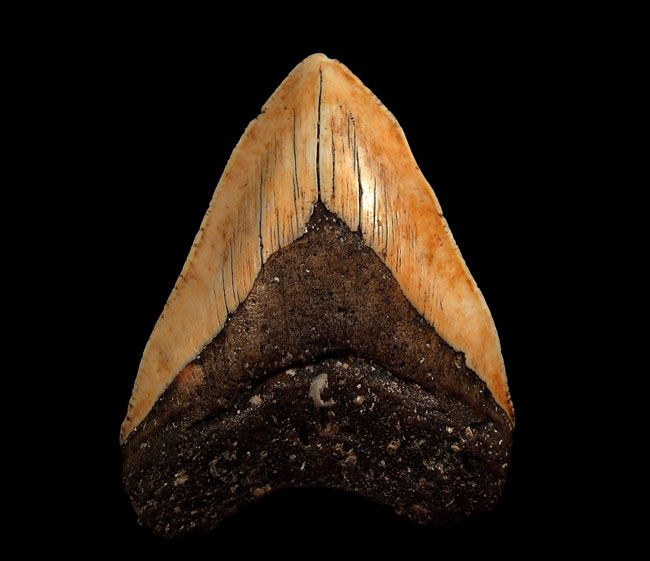
Fossilized shark teeth remain our most transparent window into the megalodon’s existence. Unlike bones that quickly decay, these dense enamel structures endure across millions of years. Collectors and researchers prize them not only for their scientific value but also for the stories they carry about ancient seas.
The varied hues of these teeth, ranging from deep black to soft cream, speak to the minerals absorbed over millennia. A tooth found in Indonesia may hold different patterns than one preserved in the Pacific, each shaped by the geology of its resting place. These relics enable scientists to track the former range of these massive predators, tracing migration routes and ancient ecosystems. For enthusiasts, holding such a fossil is like having a fragment of time itself.
New Caledonia and the oceanic enigma
The waters surrounding New Caledonia have long been renowned for their rich marine life and cultural significance. These South Pacific depths conceal vast geological formations that resemble underwater vaults. Linking this region with the megalodon creates a compelling picture of what the prehistoric ocean might have held.
While scientific findings have not confirmed the giant’s presence in these particular waters, the region’s fossil potential adds to the intrigue. Islands like these often yield unexpected surprises, with geological layers revealing marine remnants long after the creatures that inhabited them have disappeared. The thought that megalodon teeth may rest undiscovered beneath New Caledonia’s seafloor feeds both scientific ambition and imaginative wonder.
Teeth as time capsules
Each tooth of a megalodon is more than a fossil; it is a geological diary. Striations on the enamel surface, mineral deposits, and wear patterns reveal how this predator lived and fed. The large triangular form, serrated edges, and sheer thickness reflect a creature adapted for dominance.
A single tooth can weigh over half a pound, with edges sharp enough to slice through whale flesh. Fossils like these confirm the species’ predatory lifestyle and dominance over the seas. They also reveal how megalodons fed on marine mammals, anchoring them as top hunters in their environment. Collectors often regard these fossils as both natural treasures and cultural symbols—fragments of a time when nature shaped creatures on a colossal scale.
Legends of survival beneath the waves
Speculation often fuels the idea that megalodons may linger in hidden depths. New Caledonia, with its deep trenches and isolated waters, naturally becomes a stage for such storytelling. Ocean myths thrive in places where science has yet to reach. In the absence of certainty, folklore fills the gap.
Local legends sometimes speak of mysterious creatures that roam unseen in the blue unknown. For fishermen and sailors, the deep sea has always been both a source of sustenance and a realm of danger. Stories of shadows beneath the waves, larger than any known shark, carry echoes of a predator long extinct. Whether myth or misunderstanding, these tales keep the megalodon alive in cultural memory.
Scientific clarity and imaginative wonder
Paleontologists emphasize that megalodon fossils map a story of extinction rather than survival. Climatic shifts, food scarcity, and evolutionary competition likely sealed the fate of this giant. The cooling of the oceans may have prompted prey species to move into new regions, while competitors, such as the great white shark, adapted to the changing environment more effectively.
Yet, the human mind is drawn to mysteries that cannot be conclusively answered. This tension between science and myth sustains the fascination. Linking megalodon with New Caledonia is less about evidence and more about exploration—acknowledging both the facts we hold and the mysteries that endure. It demonstrates how science provides boundaries, but imagination stretches those boundaries into the realm of possibility.
The collector’s journey
For many, the appeal of megalodon fossils lies in the opportunity to hold a piece of history in their hands. Collectors seek out teeth for their rarity, size, and condition. Larger specimens, often measuring over six inches, are particularly valued. Some show remarkable preservation, with serrations still visible after millions of years. Others bear unique mineral patterns, creating natural works of art.
To acquire such a fossil is not only to add to a collection but to claim a tangible piece of Earth’s past. It connects the present with a predator that shaped the seas long before humans walked the land. This fascination bridges the gap between hobby and science, encouraging more people to engage with paleontology, geology, and ocean history.
Carcharocles megalodon New Caledonia in cultural reflection
In the cultural imagination, associating the megalodon with remote waters, such as those of New Caledonia, represents a fusion of place and myth. It becomes not only about the fossil record but also about how humans interpret their environment. Remote islands and deep seas become canvases for projecting stories of giants.
Whether told as cautionary tales for children, mysteries for adventurers, or symbols of the ocean’s vastness, these reflections remind us that our relationship with the sea is as emotional as it is factual. Linking the megalodon to New Caledonia further enriches the story, placing a prehistoric predator into a landscape already rich in cultural depth.
The middle ground between relic and imagination
To own or even observe a megalodon tooth is to bridge eras. One can appreciate the tactile connection to prehistory while entertaining the sweeping imagination of legends. Collectors are well aware of this duality: a specimen may rest on a shelf as a scientific artifact while also serving as a catalyst for storytelling.
It sparks discussions about what it meant for such a predator to rule the seas and how its extinction reshaped marine ecosystems. In this way, fossils carry more than scientific value—they have a narrative power that resonates across generations.
Conclusion: Holding onto history while embracing curiosity
The narrative of Carcharocles megalodon - New Caledonia sits at the intersection of fossil evidence, geographic wonder, and cultural imagination. While science anchors us with clarity, myth provides the freedom to ask what-ifs. The enduring fascination with this shark stems from its ability to connect both realms—reminding us that the ocean’s mysteries extend beyond the horizon and into the deep past.
If you’re inspired to learn more, explore authentic fossils that carry millions of years of history in their structure. These relics offer a chance to hold a tangible link to one of nature’s most extraordinary predators. Take the step today and bring a piece of the ocean’s ancient legacy into your own collection.






