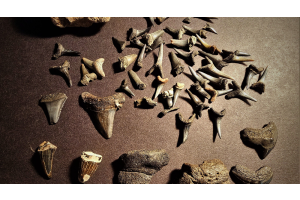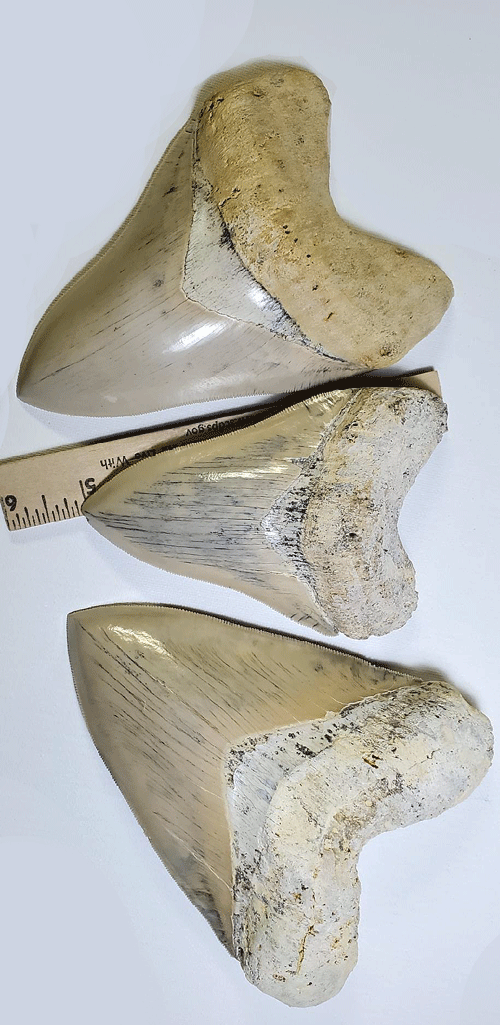
Buying a fossilized Megalodon tooth online can feel exciting until doubt creeps in. You start to wonder whether the tooth you bought is truly what the seller claimed. That is a valid concern. With a growing fossil market, many buyers receive pieces that look impressive but lack authenticity. Some fossils undergo restoration, while others turn out to be replicas. When you understand how to check your teeth, you make smarter decisions. These five clear checks will help you recognize an authentic megalodon tooth and give you the confidence to collect with care.
Examine the Enamel of an Authentic Megalodon Tooth
You should always look at the enamel first. A real Megalodon tooth will not have a shiny or flawless surface. Instead, the enamel typically exhibits a soft texture, microscratches, and natural signs of aging. These features reflect the long history of the fossil, not modern treatment. If the tooth feels smooth, like plastic, or reflects light sharply, it may have been polished. You can gently run your finger over the enamel. The right texture will feel dry and slightly rough to the touch. Real fossils wear their past on the surface and never look too perfect.
Know the Signs to Look for at the Edge of the Tooth
The tooth’s edges offer valuable clues. Megalodon teeth have natural serrations that enable the shark to tear through its prey with ease. In real fossils, these serrations often remain visible, though time may have worn them slightly. Fakes or replicas often copy the shape but cannot recreate this detail with precision. When you inspect the edges, watch for these signs:
● Serrations appear uneven or chipped in real fossils.
● Smooth or identical edges raise questions about authenticity.
● Worn serrations still suggest a legitimate prehistoric origin.
Taking the time to inspect this part of the tooth can quickly distinguish between real and fake.
Look Closely at the Root for Clues of Restoration
The root usually tells the story. This part of the tooth shows signs of exposure to natural elements. Roots on real Megalodon teeth feel rough and porous. You may also notice cracks, color changes, or areas where mineral deposits have formed. When examining an authentic megalodon tooth, you will often find these natural imperfections that reveal its true age. If the root appears flawless or smooth, filler may have been added to conceal damage. Tapping the root lightly can also help. A repaired section may feel softer or sound dull. You should check for changes in texture or color between the root and the crown. These small details help you assess honesty in presentation.
Pay Attention to Color Patterns and Transitions
Color alone will not prove a tooth’s authenticity, but the way color flows across the tooth can reveal a lot. Fossilization changes the color based on the surrounding soil and minerals. Real teeth can appear black, tan, grey, or even blue. What matters more is the transition:
● Authentic fossils show gradual shifts in color from root to crown.
● Sudden changes in tone may indicate artificial staining.
● Cracks and edges in real teeth often hold color differently than the rest.
If the color appears painted or unusually even, ask yourself whether that is how a naturally aged buried fossil would look.
Ask Questions About Where the Tooth Came From
Big teeth catch attention, but background matters more than size. You should always ask where the tooth came from. Sellers who deal in real fossils often know the site, riverbed, or region where the tooth was found. This type of information builds trust. When a seller avoids the question or gives a vague answer, that should concern you. Please feel comfortable requesting details. Provenance adds value and helps confirm that you are holding more than a cast. It connects the tooth to real history and removes doubt from your purchase.
Final Thoughts
If you purchased a Megalodon tooth online, you deserve to know if it holds genuine historical significance. Every fossil tells a story, and you want that story to be true. When you take time to check the enamel, inspect the serrations, review the root, observe the color patterns, and ask about the tooth’s origin, you gain confidence in your collection. These checks help you learn what an authentic megalodon tooth looks and feels like. You do not need lab tools or a degree. You only need curiosity, patience, and a willingness to learn from the fossil itself.
Footnote
This blog draws on practical experience with fossil evaluation. It aims to help buyers make informed decisions when reviewing Megalodon teeth purchased online.