

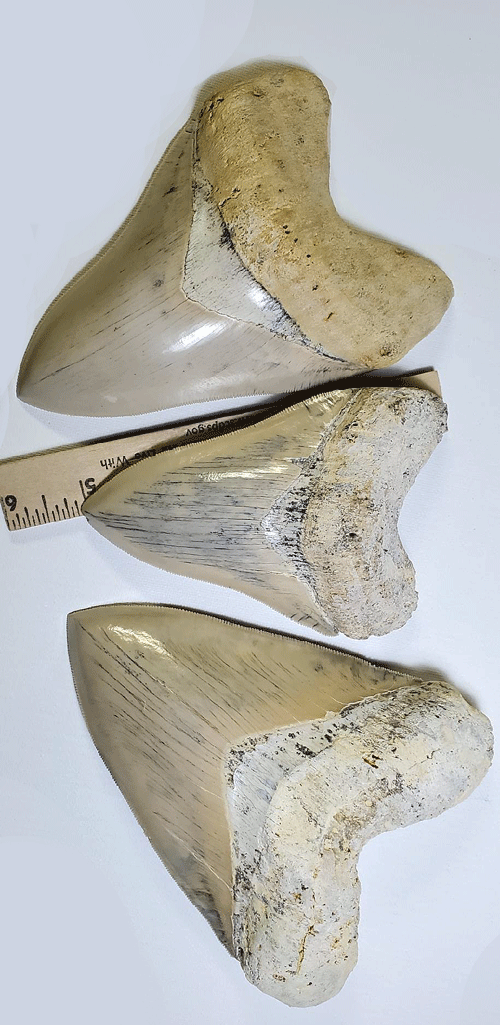
Many collectors buy a megalodon tooth online and feel a rush of excitement when the package arrives. That thrill fades fast if doubts begin to form about what sits in the palm. Fake fossils do not just exist—they circulate often, and many sellers pass them off as the real thing. Every authentic megalodon tooth carries history, weight, texture, and signs of age that no factory can replicate. Buyers who know how to look closely can avoid disappointment. They can separate an actual fossil from a convincing replica using simple checks rooted in real knowledge.
Let’s explore more detailed information:
Examine Surface Texture for Natural Signs
Real megalodon teeth tell their story through the texture of their surface. Time, sediment, water, and pressure shape that story. When collectors hold the tooth up to natural light, they should see light scuffing, dull patches, and mineral marks that indicate its long history underground. These marks never appear perfect. Fakes often try too hard to look flawless or overly polished. They may shine too much or lack any variation in tone and feel. Natural fossils do not pretend. They show their age through wear that builds character, not artificial perfection. Texture always speaks louder than appearance.
Inspect Serrations Along the Edges
The serrated edges of a real tooth carry distinct wear patterns. These tiny ridges served as tools when the shark hunted. Over time, erosion softened and chipped them. Buyers can run their fingers carefully along the edges and feel the natural variation. No tooth keeps every ridge intact. Authentic pieces display uneven spacing, breaks in the rhythm, or slight curves that fakes cannot duplicate. Cast molds often show clean, sharp lines or repeating patterns that betray their artificial origin. Serrations may seem like a small detail, but they help real collectors find the truth in their fossils.
Observe the Transition Between Enamel and Root
An authentic megalodon tooth exhibits a distinct contrast between the enamel and the root. The enamel appears smoother and more refined. The root feels rough and porous, often exhibiting signs of cracking or mineral growth. This difference comes from natural fossilization. Buyers should examine where the enamel meets the root. They will frequently find subtle shifts in color, texture, and shape. Imitation teeth usually lack this contrast. Manufacturers use the same material across the surface or apply artificial finishes to hide the transition. Real fossils maintain that contrast, as they are formed by nature, which creates those layers.
Read the Color for Clues
Color tells another part of the story. A genuine fossil tooth does not have a single solid shade. Instead, it shows blends of earthy tones shaped by the soil and minerals around it for thousands of years. Buyers should expect to see charcoal, tan, gray, or hints of blue or olive, depending on the region of discovery. These colors fade into each other, not stop abruptly. Fake teeth often look painted or stained with no natural variation. Some even show signs of brush strokes or paint pooling. Fundamental color changes feel soft, irregular, and deeply embedded into the surface.
Feel the Weight and Notice the Density
Fossilization replaces organic material with minerals, which adds weight and density to the remains. Buyers should pick up the tooth and hold it for a moment. It should feel solid, heavier than it looks, and balanced. Artificial pieces made from resin or plastic may look convincing but feel strangely light. That difference becomes more obvious when collectors compare multiple teeth over time. While weight alone cannot confirm authenticity, it provides strong support when combined with other indicators. Actual fossils convey a grounded, solid presence that cannot be replicated with molded parts or lightweight materials used in replicas.
Ask for the Tooth’s Background
Authentic fossils come with a story. A seller should explain where they found the tooth and under what conditions. Fossils carry layers of geological context. That information helps collectors evaluate the specimen more clearly. If a seller avoids providing details or speaks in vague terms, buyers should proceed with caution. Responsible sellers often document the region or sediment layer from which the find originated. When a collector receives this information and it matches the appearance of the tooth, confidence increases. Fossils do not just appear. They carry a timeline, and that timeline creates trust. Buyers should ask questions and expect clear answers.
Identify Any Visible Restorations
Some fossil teeth go through restoration. Collectors should not automatically reject them, but they must spot the changes. They can look for added materials near the root or small patches that appear smoother than the surrounding area. Real enamel has a texture that differs from plastic or filler. Sellers must always disclose restorations clearly. When they do not, that should raise concern. Buyers can hold the tooth close and move it under the light to spot inconsistencies. No artificial repair should blend so well that it hides the original material. Buyers should value truth over appearance every time.
Learn from Those Who Handle Fossils Often
Collectors gain strong insight by speaking with experienced fossil handlers. Those who have worked with thousands of pieces can recognize patterns, spot fakes, and explain what matters most. Buyers who feel unsure should reach out to someone with trusted knowledge and expertise. Experts often notice small traits that others overlook. They study color blending, mineral patterns, and edge wear without needing lab tests. That kind of knowledge protects collectors from mistakes. The more buyers learn, the more confident they become. Experience builds sharp instincts, and over time, those instincts help buyers trust what their eyes and hands already tell them.
Understand the Lasting Value of Authentic Fossils
Buyers do not just collect fossils to own something old. They connect with history and preserve a part of nature’s story. A real megalodon tooth represents more than size or shape. It speaks of ancient oceans, raw power, and time buried beneath shifting earth. Fakes may cost less, but they bring no real connection. Authentic teeth hold weight both physically and emotionally. They create meaning for collectors who value truth and the pursuit of discovery. Buyers who learn to spot the signs of authenticity can protect their collection and maintain its value for years to come. That matters in every sense.
Final Thoughts
Careful buyers take the proper steps to confirm a fossil’s origin. By checking surface wear, edge serrations, enamel transition, and natural coloring, they build confidence in what they hold. Holding the fossil, weighing it, and reviewing its background provide further clarity. Recognizing an authentic megalodon tooth brings a sense of trust and pride that no replica can deliver. Real fossils invite careful attention, not quick assumptions. When buyers rely on the correct details, they protect themselves from fakes and build collections that last. That journey starts with observation, backed by curiosity and the knowledge to ask the right questions.
Footnote
This content helps readers verify the authenticity of a megalodon tooth using objective evidence, informed guidance, and collector-proven methods grounded in observation and experience.






