

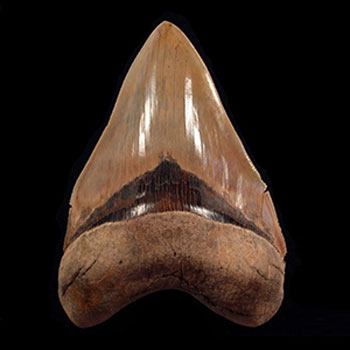
Curiosity across the fossil world continues to grow after experts uncovered what may be the youngest megalodon tooth on record. Collectors, researchers, and fossil dealers have turned their attention to this unusual find. Unlike typical Megalodon teeth that trace back millions of years, this specimen appears closer to the species’ final chapter. That detail raises new questions about how long the predator survived and how specialists determine the age of fossils with accuracy. This single tooth does more than draw attention. It reminds collectors that each fossil holds the potential for insight into ancient oceans and the lives that once inhabited them.
How the Youngest Megalodon Tooth Found Changed Everything?
In the fossil trade, beauty and rarity often lead the conversation. Age, however, now takes a stronger place at the table. When a tooth shows signs of being younger than expected, it challenges what collectors once believed about the age of extinction. It also reminds the market that value does not depend only on looks. A younger specimen can tell a deeper story about adaptation, survival, and ancient oceans. Those who collect for both science and passion now seek more than mere appearance. They want proof, documentation, and a history that connects their fossil to the passage of time itself.
How Experts Determine a Tooth’s True Age
Fossil experts rely on years of study and precision to determine the time period in which a tooth belongs. They look beyond surface color and shape. Every layer of sediment holds clues. Scientists examine the surrounding rock types, mineral patterns, and biological traces to determine if they match a known period. Each test confirms or questions what the eye alone cannot see. No guesswork defines this process. It involves patient observation, detailed comparison, and sometimes the use of new methods when something unusual is observed. The younger specimen has made specialists revisit their methods and refine their understanding of where the last Megalodons swam.
Collectors Now Ask Smarter Questions
This discovery influences how collectors view fossils. It encourages curiosity, not confusion. Buyers today seek details before investing in a specimen. They want assurance that a tooth’s story holds up under scrutiny. This change has shaped a healthier market built on informed decisions and honest representation. Serious buyers no longer stop at surface beauty. They ask questions that matter.
Astute collectors now often ask:
● Where was this fossil discovered?
● Which layer of sediment held it?
● What dating methods verified its age?
● How was it preserved during recovery?
● What story does its coloration and wear pattern reveal?
Each answer adds credibility and trust, two traits that now guide every responsible transaction.
Sellers Strengthen Standards Across the Fossil Market
The discovery of a younger Megalodon tooth encourages sellers to maintain stricter sourcing and documentation. Many collectors now require more proof before making a purchase. Sellers respond by improving their transparency and record-keeping. They share region data, discovery notes, and background information with each sale. These details help buyers understand what they are paying for and why it matters.
Sellers now focus on:
● Maintaining accurate field records.
● Offering details on the origin and condition.
● Verifying sediment age before pricing.
● Presenting fossils with clarity and evidence.
This simple act of sharing knowledge fosters long-term trust and enhances the reputation of every reputable fossil dealer.
The Discovery That Changed the Conversation
Midway through the ongoing discussions about the youngest megalodon tooth found, experts realized how one specimen could reshape an entire field. This tooth brought scientists back to the basics of fossil dating and reminded the market how fragile assumptions can be. Collectors now see their fossils as more than decorative pieces. They represent historical truth frozen in stone. That truth holds weight. It makes each tooth, especially one verified as younger, a living document of prehistory. In this sense, one fossil sparked a shift from admiration alone to active investigation and education.
What Collectors Can Learn From This Discovery?
Every collector can take something valuable from this event. It teaches patience, curiosity, and the importance of credible sourcing. Not every fossil needs to break a record to hold value. What matters is the story it tells, the evidence it carries, and the way it connects the collector to Earth’s ancient past. Collectors who take time to study, verify, and question stand out as true guardians of history. The younger specimen reminds the community to remain open to new possibilities even when old records seem settled.
Why Fossil Dating Deserves More Respect?
Dating fossils takes discipline and experience. It blends science with fieldwork. Specialists must travel to discovery sites, study soil layers, and cross-check materials before making claims. Fossil dating deserves respect because it provides a solid foundation for the entire field of paleontology. Without verified data, a specimen’s worth loses its foundation. Every collector benefits when dating remains accurate. It keeps transactions fair, stories real, and interest in ancient life alive. The recent discovery renewed appreciation for this skill. It restored attention to the experts who dedicate their careers to protecting scientific accuracy.
The Market Grows Stronger With Knowledge
The fossil market thrives when information moves freely. A well-informed buyer supports honest sellers. Each verified discovery reinforces trust between both sides. The recent tooth discovery motivates everyone involved to become more educated. Collectors read more. Dealers explain more. Researchers share findings openly. This shared knowledge transforms simple transactions into shared appreciation. As information spreads, the demand for reliable fossils increases. Collectors want more than artifacts; they want evidence. Sellers who provide it gain loyal customers who care about preservation, authenticity, and the living history behind every Megalodon tooth.
Final Words
This discovery sets a new tone for how people buy and sell fossils. The excitement around the younger specimen encourages both curiosity and caution. Collectors now ask questions that build confidence, and sellers respond with openness and transparency. Every exchange becomes an opportunity to educate and connect. The actual value lies not in quick sales, but in a shared understanding. The story of this tooth shows how one find can refresh the entire industry. As conversations continue, many buyers are also reviewing how the megalodon tooth price connects to documentation, age, and verified origin.
The world of fossils grows richer when truth and passion meet in equal measure.
Footnote
The discovery of a younger Megalodon tooth reshapes how fossils are viewed and traded, inspiring a future where science, trust, and knowledge define true collecting excellence.






