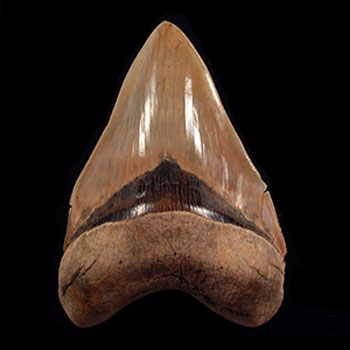
Collectors spend years searching for the right piece. When you finally come across a 7-inch megalodon tooth for sale, it feels like a once‑in‑a‑lifetime moment. These teeth represent a creature that ruled prehistoric oceans, and every inch tells a story of power and survival. Yet, the larger the tooth, the higher the risk of replicas, touch-ups, and over-polishing. That makes authenticity a serious concern. This checklist helps you distinguish genuine fossils from altered ones, providing insight into selecting a genuine specimen that earns its place in your collection.
Understand What Makes Size Matter
Size defines rarity. Very few Megalodon teeth reach seven inches. Most authentic examples fall between six and six and a half inches. When you find a tooth claiming to hit or exceed that mark, verify how the seller measured it. Measure from the tip to the longest corner of the root. That diagonal line gives the actual size. Avoid sellers who round up or estimate. Accurate measurement reflects transparency. You can trust sellers who take the time to show detailed images and provide precise measurements because they respect both the fossil and the buyer.
Check The Tooth’s Natural Weight
Fossilized Megalodon teeth carry density. Minerals fill the spaces once held by organic material, giving each tooth a solid feel. A real fossil never feels light or hollow. When you can, ask for the tooth’s exact weight. Sellers who handle authentic fossils usually include them in the listing. Compare the number to other verified specimens of similar size. Lightness may point toward resin copies or artificial composites. Authentic pieces always have a heavier, mineral‑rich structure that feels substantial in hand. That extra weight signals time, age, and natural formation.
Look Closely At The Blade And Root
Real teeth reveal history through their surface. You should see signs of wear, small chips, and textured mineral buildup. These features indicate that the fossil survived for millions of years underground. Avoid specimens that look overly smooth or shiny. That polished finish often hides restoration work. Pay attention to the root. It should show age without appearing too perfect. When both the root and blade appear flawless, something may be amiss. Examine several photos under natural light. Authentic fossils show gradual color shifts and natural imperfections that no modern process can imitate.
Detect Restoration Before You Buy
Repairs can sometimes help preserve fossils, but hidden restoration can lower their value. Sellers who disclose work on a specimen usually prove trustworthy. Look for changes in surface texture or an unnatural gloss in specific areas. Compare opposite sides. If one side appears smoother or brighter, it may be because someone has filled or reshaped it. Restoration may help stability, but it should always appear in the description. When you spot inconsistencies and the seller avoids your questions, step back and reassess the situation. Fossils deserve transparency, and buyers deserve complete honesty. Real teeth never need hidden fixes to impress collectors.
Read The Fossil’s Color Like A Map
Each tooth’s color depends on the sediment it rested in. Authentic fossils display natural blends of grey, tan, brown, or black, often in uneven patterns. Artificial treatments create flat, single tone surfaces that look too uniform. Study photos carefully. Actual fossils carry depth and texture in their coloration. You may notice subtle streaks or patches that reveal information about the environment in which it formed. When you come across a 7 inch megalodon tooth for sale, pay close attention to these variations. These natural signs prove its journey through time. When every shade looks identical, it often signals a dyed or treated surface rather than genuine mineralization.
Evaluate The Serrations With Precision
The serrations on a Megalodon tooth reveal a great deal about its authenticity. These edges once helped the shark slice through prey, and their wear patterns often survive fossilization. You should see a slight irregularity, with some serrations softened by time. Ideally, even or sharp edges may suggest modern re‑carving. Examine photographs at the tip and sides. A genuine fossil shows variation that no tool can perfectly copy. Slight roughness or chipped spots show nature’s work, not human alteration. That texture builds confidence. Trust your eye when serrations look naturally uneven instead of mechanically neat.
Review Origin And Provenance Details
Knowing the origin of a fossil adds confidence to your purchase. Authentic Megalodon teeth often originate from locations renowned for their high-quality finds, such as riverbeds or coastal deposits rich in marine sediment. Ask sellers to confirm the source. Reputable professionals proudly share dig site regions because provenance supports authenticity. Origin also influences color and mineral tone. For instance, river finds often carry darker hues, while marine deposits tend to lean towards lighter colors. When a seller avoids origin questions, treat that as a sign to investigate further. The story behind a tooth adds more value than any polish ever could.
Spot Authentic Texture Differences
Every actual fossil shows texture variations that confirm its natural history. Run your fingers gently across the surface if you have the chance. You should feel slight unevenness, ridges, or mineral layering. Fake teeth often feel smooth like plastic. Authentic fossils possess a coolness and grainy texture. When buying online, rely on detailed photos showing texture from multiple angles. Zoom in on fine cracks or mineral veins. They signal genuine fossilization. A smooth, glossy finish without natural imperfections typically indicates resin or reproduction work, which collectors generally avoid when seeking authentic pieces.
Two Quick Tests Before You Commit
When you evaluate an extensive Megalodon tooth listing, apply these two checks:
• Ask for close images of both sides under neutral light to confirm consistency in texture and color.
• Compare the shape and symmetry with other verified fossils to identify unnatural patterns or machine replication.
These small steps reveal whether the piece reflects authentic preservation or modern recreation. Always take time to check before you buy.
Ask The Right Questions
Direct questions protect your investment. Ask if the tooth has received any polishing or if it contains restored sections—request details about the collection site and previous ownership. Sellers who handle authentic fossils typically answer questions clearly and often provide supporting documentation to substantiate their claims. Keep the conversation professional but firm. When you sense hesitation or incomplete answers, move on. Fossil collecting requires patience and attention to detail. A few extra questions can save you from disappointment later. The right seller appreciates educated buyers who understand what genuine value looks like.
Add Display Quality To Your Checklist
Collectors rarely think about how a large Megalodon tooth displays until after purchase. Many authentic fossils come with a custom stand designed to support and display them safely. Ask if the piece comes with one. A well‑made display stand adds stability and aesthetic appeal. It also protects the fossil from accidental damage. Serious sellers often highlight this feature because it complements the tooth’s size and structure. A proper display preserves both the look and the legacy of a rare specimen, turning your fossil into a centerpiece worthy of conversation and admiration.
Bullet Points On What Builds Buyer Confidence
• Always request multiple photos under clear light to check every angle.
• Verify seller history and reputation through customer feedback or fossil community references.
• Compare prices within the current market range to avoid deals that seem unrealistically low.
• Seek detailed measurements, weight, and color explanations before finalizing a purchase.
• Choose sellers who educate rather than rush a sale.
These actions create a safer buying experience, protect your investment, and build knowledge and trust over time.
Conclusion
A 7-inch megalodon tooth for sale represents the peak of fossil collecting. Its rarity demands careful evaluation, not impulse. When you follow this checklist, you combine knowledge with caution, transforming curiosity into confident ownership. Every detail, from weight to color, tells part of a story that began millions of years ago. The right specimen rewards patience and precision. Collectors who value authenticity never rush the process. Take time to examine, question, and confirm. The result is a fossil that earns both admiration and respect, standing as a testament to Earth’s ancient power.
Footnote
True Megalodon teeth carry strength, weight, and history. Understanding how to identify and verify them turns an interest in fossils into a lifelong passion for authenticity and preservation.