There are a few fossils in the world that capture attention the way a Megalodon tooth does. Hold one in your hand and you’re instantly connected to a predator that reigned supreme millions of years ago. These teeth, ranging from tiny fragments to colossal 7-inch specimens, are more than fossils—they’re relics of the ocean’s greatest hunter. Collectors, scientists, and hobbyists all crave them, and for good reason: they tell a story of size, power, and survival.
But when it comes to Megalodon teeth, size range truly matters. Whether it’s a small piece found in a creek or a rare giant showcased in a collector’s case, every tooth size reveals something about this extinct predator.
Let’s explore why tooth size plays such an important role and how it influences the value, science, and fascination behind Megalodon fossils.
The Apex Predator of the Ancient Seas
The Megalodon (Otodus megalodon) is believed to have lived between 23 and 3.6 million years ago, dominating oceans during the Miocene and Pliocene epochs. At lengths estimated up to 60 feet, it was likely the largest marine predator that ever existed. To put that in perspective, today’s Great White shark averages 15 feet, Megalodon could have been four times that size.
Its skeleton was made mostly of cartilage, which rarely fossilizes. What remains are the teeth, thousands of them, left behind as sharks continuously shed and replace their teeth during their lifetimes. These teeth fossilized into minerals over millions of years, creating the remarkable specimens we find today.
Why Tooth Size is So Important
When collectors talk about Megalodon teeth, the first question is usually: How big is it? Size is more than just a number; it reveals the shark’s story.
Bigger Tooth, Bigger Shark
The size of a tooth is directly tied to the shark’s overall length. A tooth nearing 7 inches likely came from a shark more than 50 feet long, capable of hunting enormous whales. Smaller teeth often belonged to juveniles or to positions near the back of the jaw.
Collector’s Prestige
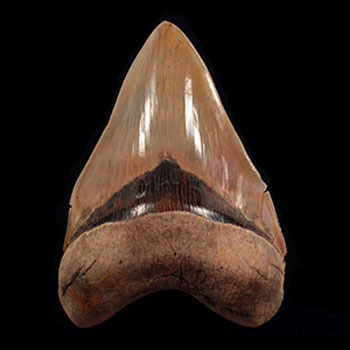
For fossil enthusiasts, size equals prestige. While a 3-inch tooth is impressive, a 6- or 7-inch specimen is the ultimate prize. These giants are rare, instantly elevating any collection. Displaying one is like owning a crown jewel of the fossil world.
Scientific Insight
Scientists also study tooth size to gain a better understanding of Megalodon populations. By analyzing large and small teeth, researchers can reconstruct growth stages, jaw placement, and even hunting strategies. Every size contributes to the bigger picture.
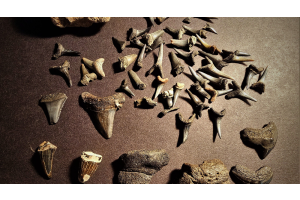
Small Fragments: Humble Yet Valuable
Not every discovery is a pristine, giant tooth. In fact, many collectors and fossil hunters first come across small fragments or worn-down pieces. Though they lack the “wow” factor of larger finds, fragments are far from insignificant.
Affordable Entry Point: Fragments make it possible for beginners and young collectors to own a real Megalodon fossil without breaking the bank.
Scientific Clues: Even a broken piece can reveal enamel thickness, mineral composition, and serration style, important for paleontologists piecing together Megalodon’s history.
Part of the Story: Collectors often value fragments as part of a “spectrum” collection, displaying a range of sizes to tell a complete story of the shark’s development.
In short, small pieces may not dominate a display case, but they still evoke the awe of holding a fossil that is millions of years old.
Medium-Sized Teeth: The Collector’s Sweet Spot
Megalodon teeth, size range of 3 to 5 inches often hit the sweet spot between accessibility and impressiveness.
Balance of Size and Price: These teeth are often more affordable than those of 6- or 7-inch specimens, making them popular among serious hobbyists.
Better Preservation: Medium teeth frequently retain sharper serrations and more intact enamel, which enhances both scientific and display value.
Growth Representation: Many of these came from sub-adult Megalodons, providing valuable information about how the sharks grew.
For many collectors, medium-sized Megalodon teeth represent the perfect balance, impressive enough to awe visitors, yet attainable compared to the rare, giant specimens.
The Giants: 6- to 7-Inch Megalodon Teeth
Then come the true legends: Megalodon teeth, size range measuring over 6 inches, with a maximum size of 7 inches being the absolute largest recorded. These specimens are extremely rare and highly coveted.
Extreme Rarity: Less than 1% of discovered Megalodon teeth measure over 6 inches. Finding one is like winning the fossil lottery.
Showstopping Impact: A 7-inch tooth is a standout in any collection. It’s not just a fossil—it’s a statement piece.
Scientific Goldmine: These teeth confirm the massive size Megalodon could reach, giving scientists direct evidence of its top-tier predator status.
Collectors often describe owning a 7-inch tooth as the pinnacle of their fossil journey. These teeth are the ultimate conversation starter, bridging science, history, and raw natural wonder.
Authenticity: Why It Matters
Due to their value, Megalodon teeth are sometimes forged or altered for display purposes. Authenticity is crucial, after all, a replica may look good on a shelf, but it lacks the true connection to prehistory.
Genuine Megalodon teeth exhibit unique mineralization patterns, intricate enamel details, and natural wear patterns. Reputable fossil dealers guarantee authenticity and often provide documentation to support their claims. For collectors, ensuring a tooth’s authenticity means more than financial security, it means preserving a genuine piece of Earth’s history.
Why Collectors Crave Megalodon Teeth
The fascination with Megalodon teeth goes far beyond their size. They represent:
A Tangible Link to Prehistory: Holding a tooth offers a direct connection to an apex predator that lived millions of years ago.
Symbol of Power: These teeth embody dominance, strength, and mystery, reflecting Megalodon’s reign over the seas.
A Collector’s Pinnacle: For fossil enthusiasts, owning Megalodon teeth, especially larger ones, is a rite of passage, often considered the crown jewel of any marine fossil collection.
Whether it’s a fragment, a medium-sized specimen, or a rare giant, each tooth carries a piece of the story of Earth’s most powerful shark.
Conclusion: From Fragments to Giants, Every Tooth Matters
Megalodon teeth are more than just fossils, they’re storytellers of evolution, dominance, and survival. Megalodon teeth size range plays a vital role in shaping their scientific, monetary, and emotional value. Small fragments provide entry points and vital clues, medium-sized teeth strike a balance between accessibility and prestige, and 6- to 7-inch giants stand as the ultimate trophies.
Whether you’re just beginning your fossil journey with small fragments or seeking the prestige of a 7-inch giant, every Megalodon tooth is a rare link to the past. Authenticity matters, and the best collections begin with trusted sources.
Explore our authentic Megalodon teeth collection and discover the perfect piece to add to your fossil display. From affordable fragments to once-in-a-lifetime giants, each tooth we offer is guaranteed genuine and ready to become the highlight of your collection.