

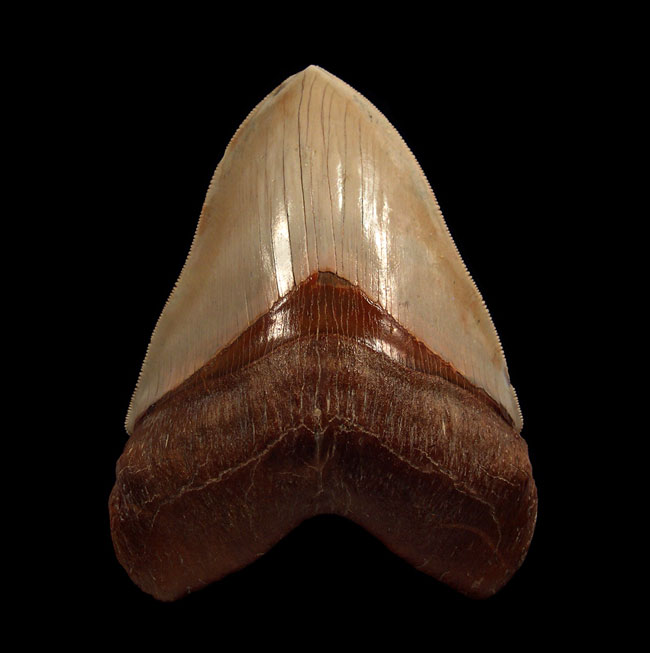
Most people see a fossilized shark tooth and think, “Cool.” But for seasoned collectors, the fascination goes far deeper. Especially when we start talking about the largest megalodon tooth ever found. This isn’t just a curiosity you pick up at a gift shop. It’s a piece of Earth’s history so rare and so colossal that only the most serious fossil enthusiasts are willing to chase it down.
So why exactly does this level of obsession belong to a select few? Let’s explore why these mammoth fossils matter and what makes them irresistible to collectors who treat paleontology as both science and art.
Megalodon Wasn’t Just a Shark
Imagine a predator longer than a school bus, with jaws powerful enough to crush whale bones. That was the megalodon. Unlike most prehistoric creatures whose skeletons dissolved long ago, these sharks left us their teeth. Thick, serrated, and as long as your hand, each fossil offers a glimpse into a world where survival was dictated by bite force.
For casual collectors, a three- or four-inch tooth already feels like a treasure. But when one specimen stretches past seven inches, the conversation changes. At that size, you’re not holding a tooth—you’re holding proof of a predator that makes today’s great whites look almost dainty.
Why Bigger Means Rarer
In fossil collecting, size tells a story. Large teeth didn’t survive millions of years easily. They endured pressure, sediment, and time itself. That’s why specimens edging toward record-breaking dimensions are unbelievably scarce. Collectors know that every extra millimeter increases rarity exponentially.
This scarcity fuels passion. To own one of the biggest known teeth isn’t just to own a fossil—it’s to secure a piece that practically defines a collection. It’s like finding the crown jewel of shark history and keeping it safe in your own display case.
Authenticity Over Everything
Replicas have their place. They inspire schoolkids, they decorate offices, and they make fossils accessible to anyone curious about ancient sharks. But serious collectors aren’t after replicas. They want the real deal, untouched by resin molds or artificial polishing.
That means every tooth must come with trust. Is the serration genuine? Has the enamel been artificially enhanced? Was the root repaired? Collectors who care about authenticity spend time scrutinizing every detail. They invest not just in a fossil, but in the reassurance that their treasure has a verifiable story.
Provenance Makes a Fossil Priceless
Where a tooth comes from adds layers of intrigue. Fossils from Chile, Peru, or the Carolinas often carry reputations for exceptional preservation. Serious collectors obsess over this detail. It’s not enough for a tooth to be massive; its origin needs to be clear and meaningful.
When you know the geological history behind a specimen, you aren’t just displaying a fossil. You’re retelling the story of an ancient ocean, rich with predators, prey, and survival. Provenance turns ownership into stewardship.
The Delicate Art of Preservation
Here’s something casual collectors may not realize: even after a fossil is unearthed, the real work is just beginning. Removing mineral deposits, stabilizing fragile edges, and preparing the tooth for display require an experienced hand.
When a fossil this size is mishandled, it can crack or crumble. That’s why only specialists with patience and skill can bring out the best in these specimens without diminishing their natural beauty. For collectors, part of the value lies in knowing their fossil has been preserved correctly.
Why Casual Enthusiasts Step Back
Let’s be honest—owning something like the largest megalodon tooth ever found isn’t simple. These fossils are valuable, delicate, and demand care. Displaying them means protecting them from humidity, dust, and accidental damage.
Most people are content with smaller specimens that still deliver the thrill of prehistoric awe. There’s no shame in that. But the giants? They attract only those willing to invest the time, money, and responsibility it takes to protect them. That’s why ownership naturally gravitates to the serious few.
Collecting Is About Passion, Not Just Possession
The heart of fossil collecting has always been passion. It’s the excitement of tracing a specimen’s history, the joy of seeing a perfect serration under light, and the pride of knowing you’re safeguarding something irreplaceable. For casual admirers, a tooth is a cool display. For dedicated collectors, it’s a symbol of Earth’s deep past that deserves reverence.
That’s why the biggest fossils don’t circulate widely. They’re too rare, too meaningful, and too central to the history of paleontology to be treated as casual trinkets. They belong to those who see themselves as caretakers of history, not just owners of objects.
How We Help Serious Collectors
This is where we step in. We’ve built our reputation on offering authentic fossils that have been responsibly sourced, carefully verified, and expertly prepared. When collectors search for extraordinary pieces, they know they can trust us to guide them through the process.
We provide more than access—we provide assurance. From provenance details to preservation quality, we help you feel confident that what you’re acquiring is genuine. That way, your collection isn’t just impressive; it’s meaningful. Whether you’re building your first display or searching for a specimen worthy of a museum case, our role is to connect you with fossils that make your passion come alive.
Why Reverence Matters
At the end of the day, fossils aren’t just collectibles. They’re pages from Earth’s history book, preserved by chance and time. A tooth that once sat in the jaw of the largest predator to ever roam the oceans deserves respect. Serious collectors understand that. They display their fossils not as trophies but as tributes to the majesty of life that came before us.
This reverence is why the world’s largest specimens don’t pass casually from hand to hand. They’re safeguarded by people who understand their weight—both literally and historically.
Conclusion
The truth is clear. Only serious collectors devote themselves to fossils like the largest megalodon tooth ever found, because these rare specimens ask for more than curiosity. They demand passion, responsibility, and trust in the experts who bring them to light. For some, a modest-sized tooth is enough to spark wonder. But for those who truly live and breathe collecting, the giants are the ultimate prize—treasures that remind us just how extraordinary Earth’s history really is.






