

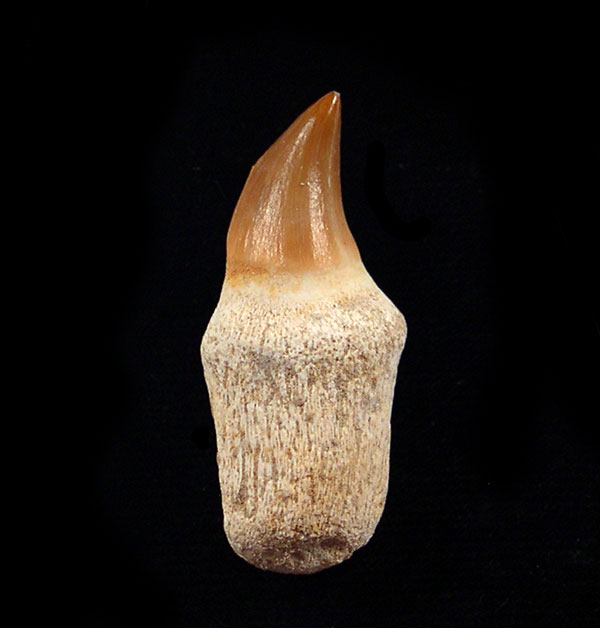
When you think of prehistoric giants that once ruled the Earth, dinosaurs often steal the spotlight. Yet, lurking in the deep seas of the Late Cretaceous was a predator so fierce that even sharks learned to keep their distance. Enter the Mosasaur, a marine reptile of terrifying proportions, armed with teeth that inspire awe even today.
These Mosasaur teeth for sale are not just relics; they are among the most widely collected fossils worldwide. From museums to private collections, from Morocco’s phosphate mines to the hands of fossil enthusiasts, Mosasaur teeth stand as a tangible connection to a time when oceans were ruled by reptiles the size of whales.
This blog explores why Mosasaur teeth have become one of the most sought-after fossils in the world, while shedding light on species like Mosasaurus Beaugei. We’ll journey through their prehistoric dominance, the thrill of fossil hunting in Morocco, and the cultural fascination that makes these teeth so irresistible to collectors.
Masters of the Cretaceous Seas
Unlike dinosaurs, Mosasaurs were not land-dwelling giants. They were marine reptiles that evolved from semi-aquatic lizards. With long, streamlined bodies, powerful tails, and flippers perfectly adapted for swimming, they dominated the oceans during the Late Cretaceous epoch, around 68 million years ago.
The Mosasaur’s most fearsome feature? Its teeth. Rows of sharp, conical weapons lined their jaws, perfect for gripping slippery prey like fish, turtles, and even other marine reptiles. Some species grew over 50 feet long, making them apex predators in waters teeming with competition. Even sharks, ancient predators in their own right, feared them. This dynamic has made Mosasaurs one of the most captivating marine reptiles in paleontological studies.
Mosasaurus Beaugei: Morocco’s Fossil Treasure
Among the many Mosasaur species, Mosasaurus Beaugei holds a special place in the fossil world. Its remains are often discovered in the phosphate mining region of Khouribga, Morocco, a site famous for yielding some of the richest deposits of Mosasaur fossils on Earth.
The phosphate mines of Morocco are a paleontological goldmine. Every year, tons of rock are excavated for phosphate fertilizers, and in the process, countless fossils are uncovered. Mosasaur teeth, jaws, and vertebrae are among the most prized finds. These fossils are remarkably well-preserved, offering collectors and scientists a glimpse into the Upper Cretaceous seas.
Mosasaurus Beaugei teeth, in particular, are renowned for their size, durability, and sharp ridges, making them not only attractive to researchers but also to fossil enthusiasts worldwide.
Why Teeth Are So Widely Collected
So why, out of all fossilized remains, are Mosasaur teeth the most collected? Several reasons make them stand out:
Abundance and Accessibility
Teeth are among the most common fossilized remains of Mosasaurs because these predators shed teeth throughout their lives, much like modern sharks. Each Mosasaur could lose thousands of teeth over a lifetime, many of which fossilized and remained scattered across ancient seabeds. This natural abundance makes teeth easier to find compared to complete skeletons.
Durability
Teeth fossilize more readily than other bones due to their dense enamel. While skeletal remains often degrade or are destroyed by geological forces, Mosasaur teeth are more resilient, making them more likely to survive intact for millions of years.
Visual Appeal
Collectors love Mosasaur teeth because they are visually striking. Their conical shape, natural ridges, and impressive size create a tangible, dramatic reminder of the predator they once belonged to. Whether displayed in a case or mounted in jewelry, Mosasaur teeth capture attention.
Cultural Fascination
Fossil collecting is as much about storytelling as it is about science. Holding a Mosasaur tooth is holding a piece of a monster that once terrorized sharks and inspired Hollywood films like Jurassic World. The Mosasaur featured in the movie has fueled public imagination, making authentic fossils even more desirable.
From Morocco to the World
Most Mosasaur teeth for sale available on the fossil market today originate from Morocco’s Khouribga mines. Skilled fossil hunters and workers carefully extract teeth and other remains during phosphate mining operations. Once cleaned and authenticated, these fossils are distributed to collectors, museums, and dealers worldwide.
Authenticity is critical in fossil collecting. With Mosasaur teeth being so popular, replicas and imitations are common. Reputable dealers ensure authenticity by sourcing directly from trusted dig sites and using expert verification methods. For serious collectors, purchasing authentic fossils isn’t just about owning a relic, it’s about preserving history.
The Thrill of Collecting
Fossil collecting is more than a hobby; it’s an adventure in history. For many, owning a Mosasaur tooth means holding a direct connection to a predator that lived nearly 70 million years ago. Unlike books or documentaries, fossils are physical, tangible pieces of prehistory.
For amateur collectors, Mosasaur teeth are an accessible entry point into paleontology. They are abundant, relatively affordable, and easy to identify. For seasoned collectors, rare specimens, such as complete jaws with intact teeth or unusually large individual teeth, become prized trophies.
Scientific Significance
While collectors value Mosasaur teeth for their beauty and rarity, scientists see them as windows into the past. Studying wear patterns, isotopic composition, and microfossil residues on these teeth provides clues about Mosasaur diets, migration patterns, and even climate conditions during the Late Cretaceous.
Each tooth carries data that can reveal new insights into how these apex predators lived and how they adapted before their extinction at the end of the Cretaceous period.
A Fossil for Everyone
One of the most fascinating aspects of Mosasaur teeth for sale is their universal appeal. Museums showcase them as scientific treasures. Collectors display them as conversation pieces. Jewelers sometimes transform them into pendants. And children, fascinated by the idea of sea monsters, marvel at them as natural relics of prehistoric oceans. This broad appeal ensures that Mosasaur teeth remain among the most collected fossils in the world.
Conclusion: The Legacy of the Sea’s Apex Predator
Mosasaur teeth tell a story that transcends time. They remind us of oceans once ruled by colossal reptiles, of ecosystems where even sharks played second fiddle, and of a world that ended in mass extinction yet left behind relics for us to study and admire.
Whether found in Morocco’s phosphate mines, displayed in a museum, or held in the palm of a curious collector, Mosasaur teeth for sale connect us to a world 68 million years gone but never forgotten. Their abundance, durability, beauty, and cultural resonance make them one of the most sought-after fossils on Earth.
If you’re ready to own a piece of prehistoric history, explore our authentic selection of Mosasaur teeth, jaws, and vertebra. Each fossil comes with guaranteed authenticity and a story that stretches back 68 million years.






