

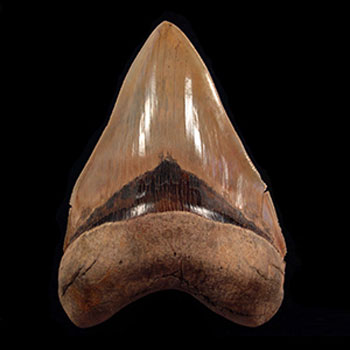
The coastline of South Carolina has long fascinated fossil enthusiasts, paleontologists, and beachcombers with its abundance of prehistoric treasures. Among these, the megalodon tooth found in North Myrtle Beach holds a special place in both scientific study and the hearts of collectors. These massive fossilized teeth are more than just keepsakes from a time when gigantic sharks ruled the seas—they are key pieces of evidence that help us understand the region’s ancient marine ecosystem and geological history.
The Prehistoric Giant Behind the Tooth
The Megalodon, Otodus megalodon, was the largest shark to ever live, dominating oceans approximately 23 to 3.6 million years ago during the Miocene and Pliocene epochs. Growing up to 60 feet long, with teeth reaching over 7 inches, it was a predator that preyed primarily on whales and large marine mammals. The discovery of Megalodon teeth in coastal areas like North Myrtle Beach allows us to reconstruct not only the size and diet of this giant shark but also its role in shaping marine food chains millions of years ago.
Because shark skeletons are made of cartilage, they rarely fossilize. Teeth are the most common and durable remnants, making them invaluable to science. The abundance of Megalodon teeth in coastal deposits, including South Carolina’s shorelines, has provided paleontologists with some of their most reliable insights into this apex predator.
Why North Myrtle Beach Is a Fossil Hotspot
South Carolina’s coastal plain is uniquely suited to preserve fossils due to its geological layers and sedimentation history. Over millions of years, sea levels have risen and fallen repeatedly, depositing layers of marine sediments that capture and protect fossils. As waves erode these layers, fossils are released onto the beach for collectors and researchers to find.
The megalodon tooth found in North Myrtle Beach often exhibits distinctive characteristics compared to specimens from other localities. Many are noted for their darker coloration due to mineral absorption from the surrounding sediments. These differences make each tooth a unique scientific and collector’s specimen, representing not just the species but the environment in which it fossilized.
For coastal fossil science, the teeth provide data points that help researchers track how populations of Megalodon migrated, where they bred, and how environmental changes influenced their eventual extinction.
The Science Behind the Teeth
Every Megalodon tooth offers more than a snapshot of size—it contains clues about diet, behavior, and environment. For example, scientists analyze wear patterns and serrations to determine feeding strategies. Bite marks on fossil whale bones, when matched to Megalodon teeth, confirm the predator-prey relationship.
Additionally, isotopic analysis of the teeth can reveal details about water temperature and salinity at the time the shark was alive. This data helps paleontologists map ancient ocean conditions and compare them with modern climate patterns. In this way, a megalodon tooth found in North Myrtle Beach becomes more than a fossil—it becomes a data point in the broader study of Earth’s changing ecosystems.
Why Collectors and Museums Value These Teeth
For fossil enthusiasts, discovering a Megalodon tooth on the beach is like finding a treasure! These incredible artifacts, remnants of a giant predator that once ruled the seas, are not only scientifically significant but also fascinating to behold. Their impressive size and unique, striking features spark the imagination of collectors and hobbyists alike. A large, well-preserved tooth, complete with intact serrations and a sturdy root, can be highly valued in the fossil market. Each find transforms into an exciting journey filled with history and a sense of adventure, uncovering the mysteries of our planet’s past in the most thrilling way possible!
Museums frequently showcase Megalodon teeth as stunning centerpiece exhibits, drawing in visitors with their immense size and fascinating ties to one of history's most formidable predators. In local communities, particularly in the vibrant area of North Myrtle Beach, these extraordinary finds ignite tourism and foster a deep interest in education. They unite casual beachcombers, passionate collectors, and enthusiastic school groups, all eager to delve into the mysteries of prehistoric life and the ocean's ancient giants. The sight of these colossal teeth not only sparks curiosity but also inspires awe, creating a shared experience that connects people across generations.
At Buried Treasure Fossils, we wholeheartedly share in the fascination of our natural world's wonders. Since the year 2000, we have dedicated ourselves to the p ursuit of extraordinary fossils, specializing in the magnificent Megalodon teeth alongside an array of other exceptional specimens. Whether you are a seasoned collector with a discerning eye or a newcomer embarking on your thrilling journey into paleontology, our offerings cater to all levels of passion and expertise. Each fossil we present is meticulously sourced, ensuring its authenticity and legal acquisition, so that you receive not just a remarkable artifact, but a genuine piece of natural history. Our commitment to trust and expertise means that every specimen is a gateway to the ancient past, inviting you to explore and appreciate the story it tells.
Color Variations and Preservation
One of the most fascinating aspects of shark teeth is their variety in color. A megalodon tooth found in North Myrtle Beach can range from jet black to deep gray, sometimes even displaying hints of blue or green. These colors depend on the minerals present in the sediment where the tooth fossilized.
Collectors often prize these color variations, but scientists also find them useful. By comparing teeth of different hues, researchers can learn about the types of sediments and chemical processes that occurred during fossilization. This offers yet another layer of insight into the local geological history of the South Carolina coastline.
Making Fossil Hunting Accessible
For those new to collecting, the idea of owning a genuine Megalodon tooth might seem out of reach. At Buried Treasure Fossils, we aim to make this hobby approachable for everyone. With specimens starting under $50, beginners can experience the thrill of owning a real piece of prehistory without breaking the bank. More advanced collectors can explore our selection of museum-grade teeth, including specimens exceeding 6 inches in size.
This accessibility is one of the reasons fossil collecting continues to grow in popularity. It’s not just about owning a fossil—it’s about connecting with Earth’s deep history and learning through hands-on experience.
Educational Impact
Every Megalodon tooth offers a teaching opportunity. In classrooms, they help students visualize the scale of prehistoric animals and understand biological concepts such as adaptation and extinction. For local museums, showcasing a megalodon tooth found in North Myrtle Beach sparks curiosity in both children and adults, encouraging deeper exploration into paleontology and geology.
We are proud to support this educational mission. By providing fossils that are not only authentic but also paired with detailed historical context, we help people of all ages appreciate the role these artifacts play in unraveling the story of life on Earth.
Conclusion: Fossils That Tell Coastal Stories
The discovery of a megalodon tooth found in North Myrtle Beach is more than a collector’s thrill—it is a contribution to the growing body of coastal fossil science. Each tooth carries evidence of prehistoric oceans, predator-prey interactions, and geological transformations. For scientists, they are research tools. For collectors, they are treasured specimens. For educators, they are windows into the past.
At Buried Treasure Fossils, we believe fossils should be both accessible and inspiring. Whether you are a museum visitor, a local fossil hunter, or a new collector, we invite you to explore our extensive catalog of authentic Megalodon teeth and other prehistoric treasures. Holding one of these fossils in your hand is not just holding stone—it’s holding history, and we’re here to help you make that connection.






