

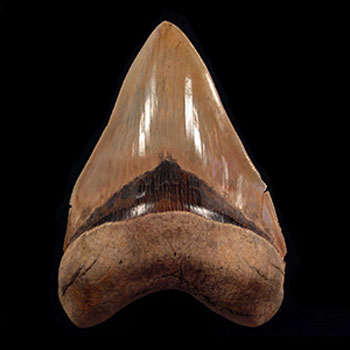
Collectors often wonder why one Megalodon tooth sells for $200 while another demands $2,000. At first glance, they may look similar in photos. But look closer and you will see why the megalodon tooth price can change so dramatically. The truth sits in what each piece reveals about time, preservation, and nature’s patience. Every Meg tooth tells a personal story that affects its value. People who understand that story can make smarter buying choices and appreciate what they hold in their hands far more deeply.
Size and Shape Decide the Real Megalodon Tooth Price
Most people look at size first. A bigger tooth usually catches more attention, but size alone does not define worth. Collectors study proportion and structure before judging price. A six-inch tooth might seem impressive, yet if it appears narrow or uneven, it can cost less than a smaller one with perfect symmetry. Buyers prefer fossils that show balance and full-bodied shape. A well-proportioned five-inch tooth with a clean root and full enamel often outperforms a larger but damaged one. Size attracts the first glance. Shape and structure earn lasting admiration and higher pricing.
Condition Reveals How the Tooth Survived Time
Condition is one of the clearest indicators of a tooth’s worth. Megalodon teeth spent millions of years shifting earth and water, so damage is a natural consequence. Still, buyers value pieces that show the least wear. A tooth with intact serrations, shiny enamel, and a dark bourlette holds greater appeal. These features show stability during fossilization. Worn edges or missing enamel can quickly reduce the charm and value of the piece. Each mark tells a survival story, but the pieces that kept their sharpness and sheen capture the most attention. Collectors seek preservation, not perfection, and value reflects that mindset.
How Restoration Changes Perception and Price?
Sellers sometimes repair or restore broken tips or missing edges. Restoration may make a tooth look whole again, but seasoned buyers notice it immediately. Restoration lowers the value because it changes the tooth’s authenticity. A natural fossil, even with minor chips, carries more truth than one reshaped with filler. Collectors want honesty in what they buy. They want to see nature’s hand, not human correction. A repaired tooth can still be a beautiful addition to a display. Still, it no longer belongs in the same category as a natural specimen. Restoration improves appearance, not intrinsic worth.
When Market Timing and Collector Demand Step In?
Market movement also influences what buyers are willing to pay—sometimes timing matters as much as condition. When a specific type of Megalodon tooth becomes trendy, prices rise fast. Collectors often search for particular features, such as a specific color or tooth size. Once they find that exact match, they move quickly. Availability can drop overnight, and sellers respond by adjusting prices to match demand. The megalodon tooth price reflects more than physical traits. It mirrors how the market behaves. Enthusiasts who track demand patterns often spot the best opportunities to buy before prices climb again.
Color Creates Desire and Uniqueness
Color affects emotion and often drives what buyers choose. Some teeth hold deep black tones, while others carry shades of golden brown, blue-gray, or earthy tan. These colors form naturally through minerals in the surrounding soil where the tooth rested for millions of years. Collectors view color as a sign of individuality. Rare shades add rarity to the market and ignite competition among buyers. While color does not alter the fossil’s age or structure, it changes its story. People remember pieces that stand apart. Unique color turns a strong fossil into a memorable one.
Where the Tooth Comes From Matters Greatly?
The location where a tooth was found adds another layer to its value. Some regions produce fossils with exceptional quality. Riverbeds, for example, often protect enamel and serrations better than ocean dredging areas. Collectors learn to recognize where the best-preserved fossils originate and usually seek them out specifically. Provenance gives a buyer trust. When a fossil’s origin is known and verified, it naturally attracts higher offers. Every discovery site carries its own reputation, and over time, that reputation influences how collectors view and price the fossils that come from it.
Understanding the Factors that Drive Market Value
Let’s simplify what actually shapes pricing. Here are the main factors that determine how much a collector might pay:
● Size combined with proper shape and proportion.
● Condition, including intact serrations and enamel strength.
● Restoration or repairs that change authenticity.
● Rare or vibrant coloration that stands out visually.
● Provenance or location that adds traceable credibility.
Each of these aspects carries its own weight, but together they form the foundation of every negotiation and purchase. Knowing them helps collectors make informed choices and avoid confusion when they compare prices across markets.
Turning Knowledge into Confidence
The more you understand what creates value, the more confident you become as a buyer or collector. Many people enter the fossil market unsure of what to look for, but experience turns curiosity into skill. You can train your eye to see details that others miss. When you recognize authenticity, condition, and natural balance, you protect yourself from overpaying. You also build a collection that carries long-term worth. Every tooth you own becomes more than a fossil. It becomes proof of how knowledge and patience reward those who take their time to learn the trade.
Conclusion
The market for Megalodon teeth remains a source of fascination for both novice and experienced collectors. The range between 200 and 2,000 tells a clear story about what makes a fossil stand apart. Understanding the megalodon tooth price helps you see how value connects to age, preservation, and authenticity. When you look at the megalodon tooth price, remember it reflects the tooth’s size, shape, color, origin, and how nature preserved it. The next time you see a fossil that catches your attention, study it closely. You may find that the price difference isn’t random. It’s a reflection of the journey that tooth took through history and how beautifully it survived that path.
Footnote
Every Megalodon tooth carries a memory older than civilization itself. Its price tells not only its age but the incredible story of endurance written in stone.






