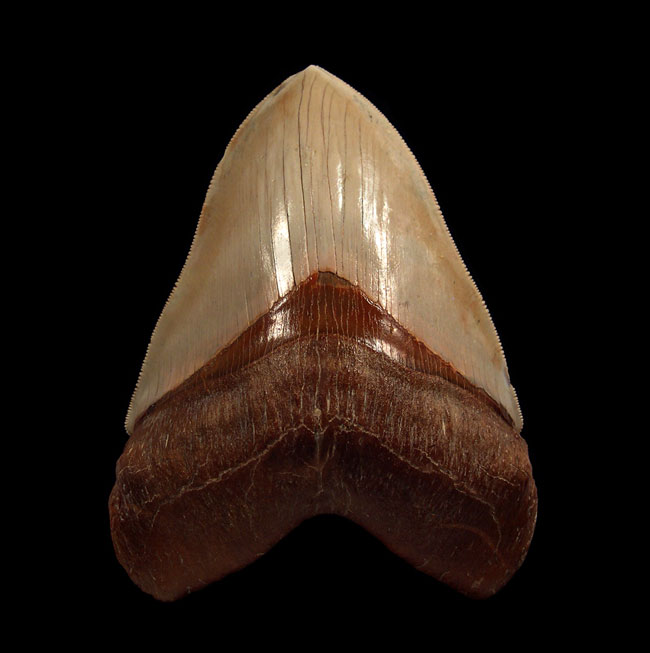
A huge fossil tooth from Chile has grabbed attention all over the world. It comes from Megalodon, the giant prehistoric shark, and it ranks among the largest Megalodon teeth ever found in the region. Scientists study it for clues about ancient oceans, and fossil collectors love it because of its size, rarity, and story. This tooth is often talked about as the world’s biggest Megalodon tooth from Chile, and for good reason. It is extremely large, very well preserved, and found in a place that is already famous for marine fossils.
Why the Chile Tooth Stands Out
Chile has a rich geological history. Tectonic movements and volcanic activity have lifted ancient seafloors up into cliffs and coastal rock, turning parts of the shoreline into natural fossil beds. The Chile Megalodon tooth was discovered in these rugged coastal sediments by a team of geologists, paleontologists, and local experts. It stands out because:
● It is exceptionally large, placing it in the top size range for Megalodon teeth.
● It is well preserved, with clear shape and enamel.
● It comes from a region already known for important marine fossils.
Most Megalodon teeth that collectors see are between about 4 and 6 inches. Teeth over 7 inches are so rare that they become almost legendary. That is why a specimen sometimes described as the world's biggest megalodon tooth from Chile draws so much attention, even in a field full of impressive fossils.
What Scientists Learn From a Giant Tooth
For scientists, this tooth is not just a showpiece. It is data.
1. Body Size Estimates: Tooth size helps estimate the length of the shark. A tooth at the extreme upper range suggests a very large individual Megalodon and helps refine models for how big these sharks could really grow.
2. Age and Environment: The rock layers around the tooth tell researchers when Megalodon lived in this part of Chile and what the local ocean conditions were like. That includes things like water depth, temperature, and which other animals lived there.
3. Feeding and Behavior: Wear marks and tiny chips on the tooth can hint at what the shark was eating and how it used its jaws. Used together with other fossils, this helps build a picture of Megalodon as an apex predator in ancient marine ecosystems.
Because this tooth is so large and so well documented, it becomes a key reference point in ongoing research about Megalodon evolution and extinction.
Why Collectors Love It So Much
Collectors look at the same tooth and see a dream fossil.
● Size and Rarity – Very large Megalodon teeth are genuinely hard to find. Collectors know that most will never hold a top-tier specimen in person, so even reading about one becomes exciting.
● Display Power – A big, sharp, well-preserved tooth looks impressive in any display case, whether it’s in a home office or a museum.
● Clear Story – A tooth tied to Chile, with a well-recorded find location and scientific interest, carries more meaning than a random loose fossil with no background.
Serious collectors often look for trusted dealers who can provide that kind of documentation and quality. Shops like Buried Treasure Fossils focus on authentic Megalodon teeth and other marine fossils, so buyers know they are getting real pieces with traceable origins, not just pretty rocks.
Bottom Line
This single Chilean tooth shows how one fossil can connect different worlds. In that way, the world’s biggest Megalodon tooth in Chile does more than sit in a drawer or a display. It keeps sparking questions, inspiring collections, and drawing people back to the deep, ancient history of Earth’s oceans—and that’s exactly why the fascination isn’t fading anytime soon.