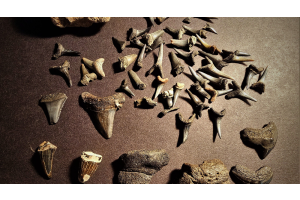
Collectors never stop asking one key question. Which fossils hold real value today? That question drives curiosity and decision-making for both seasoned collectors and newcomers. The answer always leads to the same place. Some fossils capture history, others hold a story, and a few manage to keep both value and fascination. Among them, Otodus megalodon fossils from Bone Valley stand in a class of their own. These fossils combine authenticity, traceable history, and geological beauty that connect directly to collectors who seek pieces that endure beyond simple display.
Why Bone Valley Draws Collectors’ Eyes?
Bone Valley sits on rich phosphate deposits that preserve marine life from the Miocene era. Over time, these deposits locked away prehistoric remains under layers of minerals that enhanced both color and structure. The result is a fossil bed that yields specimens unlike any other. Collectors recognize Bone Valley fossils because of their mineral depth and rich tonal variation. Each tooth tells its own story through color patterns that shift in response to light. The area’s distinct environment gives every specimen a natural finish that time cannot easily duplicate.
The Power of Preservation
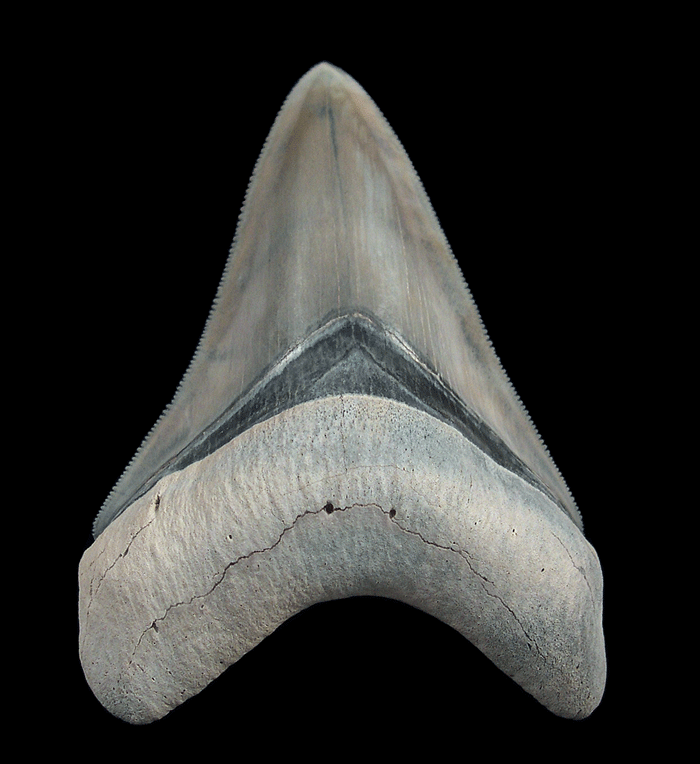
Collectors value condition more than size. A fossil that remains whole holds more respect than a larger piece that requires extensive restoration. Teeth from Bone Valley often feature smooth enamel, intact roots, and clean serrations. Their sharp tips reveal how well the phosphate layers preserved them through millions of years. Many even retain a natural shine without the need for artificial polish. These qualities reflect the unique chemistry of the region, making each specimen worth attention for anyone who collects fossils as both an art form and an investment.
You can often identify Bone Valley Otodus teeth through these features.
● Light tan or creamy enamel that reflects the mineral-rich ground.
● Golden brown bourlettes that separate the root from the enamel beautifully.
● Sharp serrations that remain visible even after careful cleaning.
● Complete roots that show no signs of restoration or filler.
● Naturally preserved tips that hold their shape and character.
Every one of these traits supports authenticity and value. Collectors appreciate them because they represent genuine preservation, not reconstruction.
Provenance Builds Trust
Collectors do not just buy fossils. They buy stories tied to real places and geological records. Bone Valley fossils come from a defined region with a well-documented fossil layer. When you know precisely where a fossil comes from, you know its integrity. Provenance gives confidence, and confidence builds long-term satisfaction. No collector wants to second-guess the origin of a specimen. Fossils with traceable roots always carry more credibility and make more substantial additions to private or educational collections that depend on authenticity.
The Collector’s Viewpoint
Collectors often compare specimens from different regions, yet Bone Valley fossils always draw a second look. Their edges remain crisp, their enamel stands firm, and their coloration adds personality. These are fossils that reveal their story even before research begins. When collectors hold one, they sense more than texture or weight. They feel the interplay between geological time and preservation. Every polished surface and visible serration proves that natural forces still speak through these ancient remains. In the center of the fossil community, the Otodus megalodon Bone Valley name stands as a mark of reliability. It represents the kind of specimen that bridges science and art. Collectors see it not just as an artifact but as a reflection of the Earth’s own patience. Fossils from this region continue to demonstrate that preservation and provenance, together, create enduring value. That truth explains why these pieces remain highly regarded by curators, educators, and long-time private collectors alike.
What Makes Bone Valley Scarce?
Collectors also understand that value is often associated with scarcity. Bone Valley fossils are becoming harder to source. Mining restrictions and land changes have reduced the recovery of new fossil fuels from the area. This limitation means existing specimens in private hands continue to gain recognition. When supply decreases and interest rates hold steady, scarcity naturally influences value. Collectors who act early often gain access to fossils with a stronger traceable history before availability tightens even further. That awareness distinguishes casual buyers from those who build collections that grow in value and importance.
You can see why scarcity plays such a strong role
● Access to original sites continues to narrow due to mining operations.
● Fewer new finds mean limited opportunities for fresh discoveries.
● Collectors compete for verified specimens rather than uncertain sources.
● Market recognition continues to grow as awareness spreads among enthusiasts.
Scarcity tells collectors that not every megalodon tooth carries the same potential. Those from Bone Valley maintain their reputation because fewer authentic examples reach the market each year.
A Starting Point for Lasting Collections
Every serious fossil collection begins with one decision. Choose fossils that reflect permanence. Choose those that hold meaning and a proven background. Bone Valley fossils meet that expectation without question. They offer physical beauty, documented history, and a decreasing supply that supports their standing in the collector’s world. New collectors who invest thoughtfully rather than impulsively find these fossils rewarding because each specimen delivers an honest representation of prehistoric life and showcases lasting natural craftsmanship.
Final Words
When collectors discuss lasting value, they always return to one consistent factor. Authentic fossils with verifiable history maintain their position in both study and admiration. The Otodus megalodon from Bone Valley collection continues to remind buyers that nature’s work needs no enhancement. When the fossil itself tells a complete story through color, texture, and form, nothing else can replace that truth. Those who recognize it early choose wisely and build collections that continue to inspire, educate, and retain meaning through time.
Footnote
Bone Valley fossils formed within phosphate deposits that preserved detail and color for millions of years. Collectors value them for their clarity, rarity, and natural preservation, which define authentic specimens.