

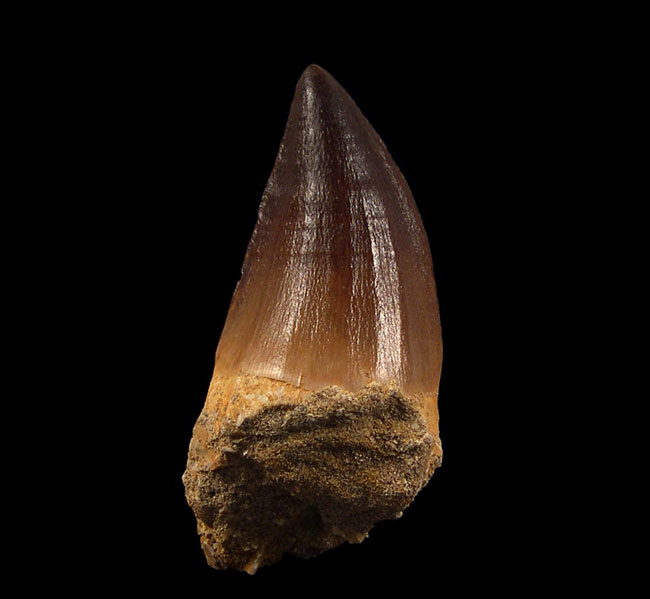
In recent decades, fossils have evolved from scientific specimens to prized collectibles and, in many cases, investment pieces. This fascination began in part when a Tyrannosaurus fossil unearthed in 1990 sold at auction for a record-breaking $7.6 million, sparking what many refer to as the “modern gold rush” of fossil trading. Collectors and enthusiasts rushed to acquire unique pieces, and fossils soon became symbols of wealth and prestige.
Nonetheless, in any thriving market, the allure of opportunity also brings in fraud. Enhanced, reconstructed, and completely counterfeit fossils began to appear, complicating the situation for newcomers. This issue is particularly daunting for buyers seeking high-value fossils, such as megalodon teeth. Consequently, understanding how to determine the authenticity of a megalodon tooth has become one of the most vital inquiries that collectors pose today.
Why Certification Matters
When purchasing high-value fossils, such as megalodon teeth, trustworthy certification is non-negotiable. Certification serves as a guarantee that the fossil has been examined and authenticated by experts. These certifications often include details such as the fossil’s geological origin, anatomical accuracy, and historical verification. For buyers, this documentation is not just a piece of paper—it is an assurance that their investment is legitimate and valuable.
Without certification, collectors run the risk of acquiring manipulated specimens, replicas, or artificially enhanced pieces that diminish both the fossil’s scientific and commercial worth. That’s why reputable sellers who provide transparent certification and provenance records are essential in today’s fossil market.
Key Red Flags That Signal Fake Fossils
Understanding what makes a fossil authentic is the first step toward becoming a confident buyer. Here are some common warning signs that can help identify counterfeits:
● Price too reasonable to be true – Rare fossils like megalodon teeth command high prices. If a specimen is being offered for a fraction of its market value, it is likely to be fake or heavily altered.
● Place of origin concerns – Authentic fossils are only found in specific geological formations. Always ask for detailed information about the excavation site.
● Historical inaccuracy – A seller claiming a fossil comes from a formation known not to yield such specimens is a red flag.
● Anatomical inconsistencies – Be wary of fossils that appear “too perfect.” Sometimes parts from different species are combined to fabricate a seemingly rare find.
Understanding how to tell if a megalodon tooth is real
One of the most frequently asked questions in fossil collecting is how to tell if a megalodon tooth is real. Experts rely on advanced tools like CT scans and synchrotron imaging, but novice collectors can use some simple strategies. Real megalodon teeth typically exhibit natural wear, serrated edges, and coloration that reflects mineralization from fossilization. Fake specimens often look overly polished, symmetrical, or plastic-like in texture. Carefully studying these small details can help prevent costly mistakes.
The Importance of Trusted Sellers
Beyond personal inspection, the safest path to authentic fossils lies in sourcing from sellers with established reputations. Trusted dealers not only provide certification but also share detailed provenance, including excavation sites, collection history, and expert evaluations.
At Buried Treasure Fossils, our commitment is to provide collectors with authentic, certified specimens backed by years of expertise and trust within the fossil community. We offer an expansive range of fossils, from prehistoric shark teeth to dinosaur relics, each with complete transparency and documentation. For anyone passionate about building a fossil collection, working with a seller like us ensures authenticity and peace of mind.
Why Certification Adds Value Beyond Authenticity
Certification does more than confirm authenticity—it also increases a fossil’s long-term value. Collectors and investors recognize certified fossils as more desirable and secure assets. Museums and academic institutions also require verified documentation before acquiring fossils for research or display. That means your certified megalodon tooth is not only a collector’s treasure but also a scientifically credible artifact.
Protecting Yourself in the Fossil Market
Navigating the fossil market requires vigilance. Always:
● Request certification and provenance documents.
● Compare prices across multiple sources to identify suspiciously low offers.
● Do your own research on the type of fossil and its typical characteristics.
● Build relationships with sellers who demonstrate transparency and expertise.
Taking these steps not only protects your investment but also contributes to ethical fossil trading by supporting dealers who uphold scientific integrity.
Conclusion: Certification is the Key to Confidence
In the world of fossil collecting, authenticity is everything. Knowing how to tell if a megalodon tooth is real can protect you from costly mistakes, but certification from trusted sellers provides the ultimate assurance. By selecting sellers with strong reputations and verified authenticity, you can enjoy the thrill of collecting while safeguarding your investment.
Fossils are more than collectibles—they are fragments of Earth’s deep history. Ensuring their authenticity preserves both their financial value and their scientific importance. If you’re ready to explore authentic fossils with complete confidence, contact us today and begin your journey into the fascinating world of certified megalodon teeth and beyond.






