

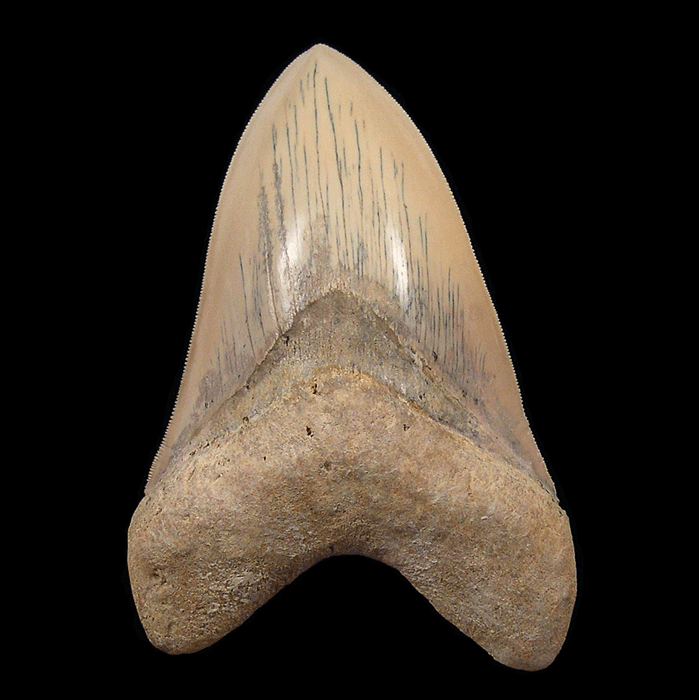
The Caribbean, with its calm turquoise waters and inviting coastlines, hides more than just coral reefs and colorful marine life. For centuries, these tropical seas have whispered secrets of an ancient past—one that involved predators of unimaginable size. While vacationers float atop sunlit waters, few realize that the very sea beneath them was once ruled by a shark so massive that it makes today's great white seem delicate. Scientists and fossil enthusiasts alike are drawn to the intrigue of the extinct predator known as Carcharocles megalodon - Caribbean. This name sparks curiosity not only for the beast it describes but also for the waters it once roamed.
Let’s swim back in time and explore what makes this prehistoric marvel so captivating—and why its story continues to ripple through modern imagination.
A Glimpse at a Giant: Understanding the Megalodon
Long before humans charted these tropical seas, a creature measuring up to 60 feet cruised the oceans with unmatched grace and might. The megalodon wasn’t simply a large shark—it was the ocean’s apex predator, a true sovereign of saltwater. Its teeth, some exceeding 7 inches in length, were designed not only to pierce but also to crush. These weren’t tools of survival alone; they were signatures of dominance.
The Caribbean served as an ideal habitat, with warm, shallow coastal waters teeming with whales, seals, and other large marine creatures. That’s precisely the kind of buffet that a megalodon would have appreciated. The presence of fossilized teeth across Caribbean islands is a strong indicator that these waters were once its territory.
The Caribbean Connection: Tracing Fossils and Tales
When explorers and divers discover tooth fossils scattered along beaches or buried within limestone deposits, they’re not simply collecting prehistoric artifacts. They’re holding pieces of a puzzle that link the ancient world to the present.
The Carcharocles megalodon-Caribbean link is particularly fascinating given the region’s unique geological shifts. Shallow marine shelves, underwater caverns, and sediment-rich seabeds all provided perfect conditions for preserving remnants of the past. Several coastal areas in the Dominican Republic, Cuba, and even parts of Central America bordering the Caribbean Sea have yielded shark teeth, each worn smooth by time but still unmistakably fierce in form.
More Than a Tooth: Why These Fossils Matter
Holding a megalodon tooth isn’t like having any old relic. These fossils carry weight—both literal and historical. They are more than oversized curiosities. They tell stories. Stories about sea levels that rose and fell, about ecosystems once thriving and now vanished, and about creatures that no longer roam the planet.
Collectors often look for coloration, serration, and enamel preservation. Darker hues in Caribbean fossils usually come from the minerals in the surrounding sediment. This gives each piece a distinct aesthetic and a location-specific character. In a way, every tooth becomes a fingerprint of both the shark and the sea that kept it hidden for millennia.
Science and Storytelling: The Human Fascination with Megalodons
There’s something endlessly thrilling about a predator we’ve never seen in person. The fact that this creature existed is enough to trigger the imagination. But pair that with fossil evidence, and suddenly the line between myth and history blurs.
From cinematic portrayals to online theories about whether the megalodon might still exist in unexplored ocean depths, interest in this giant continues to grow. Scientists, of course, confirm its extinction. But the allure remains, especially for those who hold one of its teeth in their hands.
Megalodon fossils from the Caribbean offer a personal connection to that intrigue. They bring the prehistoric into the present with tangible weight. It’s not just a fossil—it’s a moment frozen in time.
What Makes Caribbean Fossils So Unique?
Not all megalodon fossils are created equal. Those unearthed in Caribbean regions often differ in hue, composition, and wear patterns. This variation is due to the mineral content of local soils and oceanic sediments. Some teeth show signs of having been tumbled by waves, while others are perfectly preserved in deep layers of limestone.
Collectors and paleontology fans often seek out these regional differences for their visual beauty and scientific value. Whether found through beachcombing or careful excavation, each fossil carries the story of its origin in every curve and ridge.
Bringing the Ocean’s Past to Your Hands
If you’ve ever longed to own a piece of the ocean’s deep history, a megalodon tooth offers more than a fossil—it provides connection. These items aren’t merely for display. They serve as reminders of nature’s grandeur, the passage of time, and the beauty of what once was.
For some, they spark scientific curiosity. For others, they offer a quiet awe that comes from touching something that predates humankind. Whether placed on a desk or displayed in a cabinet, these fossils evoke the might of ancient oceans in a way words rarely can.
Conclusion: Echoes of a Giant Still Linger
The story of Carcharocles megalodon - Caribbean is far from over. Though the creature vanished millions of years ago, its legacy continues to wash ashore—sometimes literally. Fossils found along Caribbean coastlines offer a compelling blend of history, science, and beauty. They give us more than proof of the past. They offer us a way to imagine the unknown, and to hold it in our hands.
Whether you're a seasoned collector or simply curious about ancient oceans, the megalodon’s presence remains quietly embedded in Caribbean sands, waiting to be discovered once more.
Looking to begin your own fossil journey? Explore a curated selection of authentic megalodon teeth and bring a piece of prehistoric history into your home today.






