The recent revelation of the biggest Megalodon tooth unearthed in Chile has captivated fossil enthusiasts, marine history lovers, and the global public alike. This extraordinary find is not only a direct connection to one of the most awe-inspiring marine predators of all time but also a powerful reminder of Chile’s remarkable paleontological heritage. As we explore the significance of this discovery, we journey back millions of years to the primeval seas where the mighty Megalodon once reigned.
Unearthing the Past: The Discovery
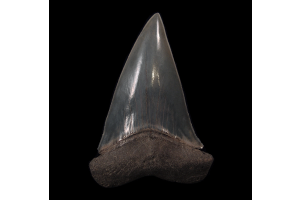
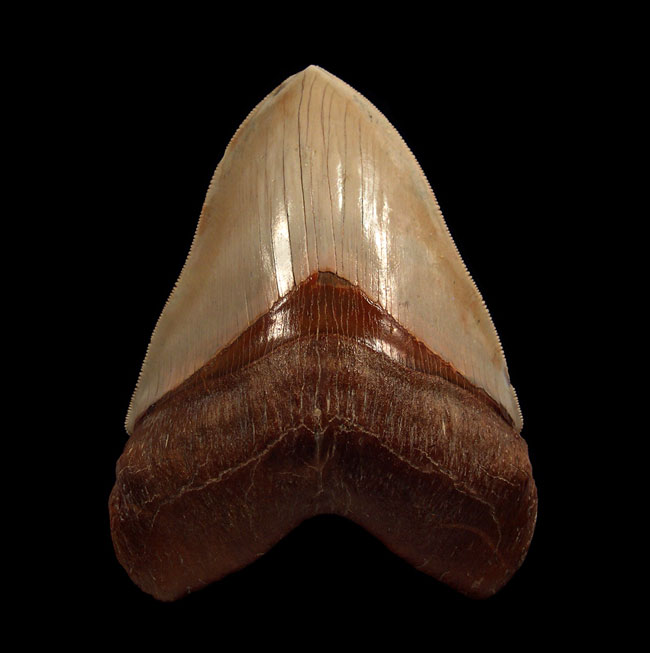
The discovery of the Chile Megalodon tooth marks a pivotal moment in our understanding of prehistoric marine life. Found along the rugged, weather-beaten coastal regions of Chile, the find emerged from a collaborative effort involving paleontologists, geologists, and dedicated local experts. The tooth’s sheer size is nothing short of astonishing, standing among the biggest Megalodon tooth ever found. Its remarkable dimensions hint at the immense size of the predator it belonged to—a giant that once ruled the oceans with unmatched power.
Chile’s varied coastal landscapes, shaped over millennia, have long been a source of fascinating fossil finds. Yet, this particular tooth stands apart for its size, preservation, and the tantalizing glimpse it offers into an ancient marine ecosystem. For those of us fascinated by the mysteries of the deep past, discoveries like this are more than mere artifacts—they’re tangible echoes of a time when colossal creatures prowled the seas.
The Mighty Megalodon: Apex Predator of Prehistoric Oceans
The Megalodon, meaning “big tooth,” was an apex predator that dominated Earth’s oceans millions of years ago. Estimates suggest this massive shark could grow up to 60 feet or more in length—making it one of the largest predators to have ever existed. Its enormous jaws could easily engulf prey in a single bite, cementing its reputation as the ultimate ruler of the prehistoric seas.
While countless fossilized teeth have been found across the globe, the Chile specimen offers a unique perspective. Its size not only points to an individual of exceptional magnitude but also gives us clues about the marine environments in which such giants thrived. The ancient seas surrounding Chile may have been rich in marine life, supporting the diverse ecosystems that could sustain such a colossal oceanic predator.
Why Chile’s Coastal Regions Are a Fossil Treasure Trove
Chile’s extensive coastline, stretching for thousands of miles along the Pacific, is a geologist’s dream. Layers of ancient seabed have been thrust upward over millions of years, exposing remnants of a world long gone. These natural processes have made Chile one of the most intriguing locations for fossil discovery in the Southern Hemisphere.
The coastal terrain where the tooth was found tells its own story. Rock formations, sediment layers, and mineral deposits indicate that these waters were once home to a thriving marine ecosystem. Over time, the remains of the Megalodon and other prehistoric creatures were buried, fossilized, and preserved—waiting for the right moment to resurface.
For us, each discovery here serves as a reminder that our planet is a living archive. The fossils embedded in its crust are not just remnants; they are messages from deep time, whispering stories of survival, dominance, and eventual extinction.
The Significance of the Chile Megalodon Tooth
The size of this tooth alone makes it a standout find. Its robust enamel and serrated edges speak to the power of the predator, capable of slicing through thick flesh and bone. Beyond its physical characteristics, the tooth holds cultural and educational significance. It’s a testament to the immense biodiversity that once existed in the world’s oceans and highlights the importance of preserving such sites for future generations.
For us, this discovery is more than a scientific milestone—it’s a moment of connection to a world that predates humanity. Holding such a tooth is like holding a fragment of the ocean’s own memory. It invites reflection on the forces of evolution, adaptation, and the fragile balance that governs life on Earth.
The Global Fascination with Megalodon
The Megalodon continues to capture the imagination like few other prehistoric creatures. Its size, power, and mystery make it a perennial subject of fascination in popular culture, educational exhibits, and paleontological discussions. Yet, for all the stories and recreations, nothing compares to encountering a real fossil.
That’s why the Chile find resonates so strongly. We can see and touch the physical evidence, bridging the gap between legend and reality. For those of us passionate about paleontology, discoveries like this reinforce our shared curiosity and drive to learn more about Earth’s hidden past.
Preserving and Sharing Our Prehistoric Heritage
Chile’s Megalodon tooth is more than an isolated find—it’s a call to value and protect the geological and paleontological treasures still hidden beneath our feet. Every fossil, no matter how large or small, contributes to the broader narrative of life on Earth. By preserving these finds, we ensure that future generations will also have the opportunity to marvel at and learn from them.
We also share in the responsibility to tell these stories. Whether through educational programs, museum exhibits, or global outreach, each of us can help spread awareness of the wonders our planet still holds. The Chile Megalodon tooth is a perfect example of how one discovery can inspire countless people to look at the natural world with fresh eyes.
A Legacy Written in Stone
When we reflect on the journey of this tooth—from the mouth of an ancient predator, to the depths of the ocean, to the rocky coastlines of Chile, and finally into the hands of those who unearthed it—we see more than a fossil. We see a legacy written in stone, a testament to the power and mystery of life on Earth.
It reminds us that while the Megalodon is long gone, the oceans remain full of life and stories waiting to be told. And it challenges us to continue our exploration, to seek out those pieces of the past that can help us understand not just what came before, but where we are headed.
Final Thoughts
The biggest Megalodon tooth from Chile is more than a marvel of size—it’s a bridge to a world where nature operated on a scale almost beyond our comprehension. As we hold such relics in our hands, we’re reminded of our place in the vast timeline of life, and of the deep connections we share with the planet’s history.
For those of us who find wonder in the mysteries of the past, this discovery is both a gift and a challenge: to keep looking, keep learning, and keep the stories of our prehistoric world alive.
Ready to Explore More?
Dive deeper into the world of ancient marine life and see for yourself why these remarkable fossils continue to inspire awe. Visit Buried Treasure Fossils to learn more about the treasures that connect us to the ocean’s incredible past.
Disclaimer: This blog is intended for educational and informational purposes only. The details provided are based on publicly shared findings and general knowledge of prehistoric marine life.