

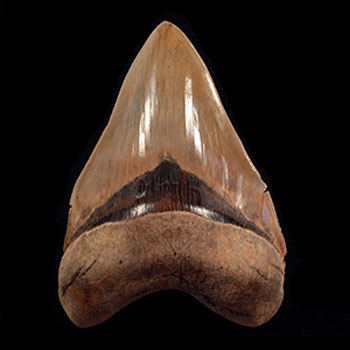
Few natural objects command as much awe as a megalodon tooth. Imagine holding in your hand the fossilized remnant of the ocean’s most formidable predator, an apex hunter that once reigned supreme over Earth’s seas. These colossal teeth are not just fossils; they are time capsules, frozen remnants of a world that existed millions of years ago. They remind us that nature has produced giants far greater than anything we see today, and they carry an aura that stirs the imagination of scientists and collectors alike.
Yet, not every megalodon tooth is equal. Some specimens are so extraordinary and impeccably preserved that they earn the title of museum-quality. These youngest Megalodon teeth found are the fossils that leave both experts and casual observers speechless, not just because of their size, but because they embody perfection in preservation and beauty.
But what exactly elevates a megalodon tooth into this rarefied category? Let’s explore the story.
The Legacy of the Megalodon
The megalodon (Carcharocles megalodon) was the largest shark to have ever lived, estimated to reach staggering lengths of 50–60 feet. To put this into perspective, that’s roughly three times the size of a modern great white shark. Their teeth, which could measure over 7 inches, were designed to crush bone and rip through the flesh of whales, dolphins, and giant fish.
Sharks continuously shed their teeth throughout their lives, sometimes replacing them every few weeks. A single megalodon could have shed tens of thousands of teeth in its lifetime, which is why these fossils are relatively common compared to other prehistoric remains. But despite their abundance, only a small fraction reach a level of preservation and aesthetic quality that can be considered museum-worthy.
Defining “Museum-Quality”
The phrase “museum-quality” isn’t casual marketing—it’s a scientific and collector’s benchmark. When paleontologists, collectors, or fossil dealers grade a megalodon tooth, several strict criteria come into play.
Size Matters
A larger tooth almost always garners greater attention. While teeth over 4 inches are highly collectible, true museum pieces often exceed 6 inches in length. A 7-inch tooth is incredibly rare and can define an entire collection.
Perfect Preservation
A museum-quality tooth must be whole and unaltered—free from cracks, heavy wear, repairs, or missing enamel. These teeth survived not only the brutal forces of the ocean but also millions of years of sedimentary pressure and mineralization. A complete fossil that endured without significant damage is exceptionally rare.
Sharp Serrations
The serrations of a megalodon’s tooth are its cutting edge. These razor-like ridges enabled the shark to tear through its prey with ease. When they remain crisp and visible after millions of years, they signal a fossil of extraordinary quality.
Color and Aesthetic Appeal
Fossil teeth absorb minerals from the sediments where they fossilize, resulting in a stunning variety of natural colors, jet black, chocolate brown, smoky gray, and even rare blues or greens. Balanced coloration with strong contrast makes a specimen especially captivating.
Gloss and Enamel Integrity
The enamel should be intact, with a natural glossy finish that reflects the tooth’s durability. Glossy enamel indicates minimal erosion and boosts visual appeal.
Root Condition
The root anchors the tooth’s structure. In museum-grade fossils, the root remains strong, symmetrical, and well-preserved, adding to both scientific and aesthetic value.
When these six qualities align, size, preservation, serrations, color, enamel, and root, a tooth earns its rightful place among the most coveted fossils in the world.
Why Museum-Quality Fossils Inspire Awe
A museum-quality youngest Megalodon tooth found is more than a collector’s prize, it is a tangible piece of Earth’s natural history. These specimens:
Tell Evolution’s Story – Demonstrating how marine predators shaped ecosystems millions of years ago.
Capture Geology’s Artistry – Each tooth’s color and composition record the minerals and conditions of the Earth itself.
Symbolize Endurance – Fossils that survived immense geological pressure and time stand as monuments to durability.
When displayed in museums or private collections, these teeth do more than impress—they spark curiosity, foster education, and inspire respect for the forces that have shaped our planet.
Fossils for Every Collector
It might surprise you that fossils of such caliber aren’t reserved exclusively for institutions. Trusted fossil suppliers, like Buried Treasure Fossils, ensure that authentic specimens are available to everyone. Their carefully curated selections offer fossils in a range of prices, allowing both seasoned collectors and curious beginners to own a piece of natural history.
This inclusivity means that while some collectors may pursue six-inch, museum-grade megalodon teeth worth thousands of dollars, others can start with smaller shark teeth, trilobites, or fossil fish without incurring significant expenses. Every fossil, regardless of size or price, carries its own unique story from the depths of time.
Beyond Teeth: A Universe of Fossils
The youngest Megalodon tooth found are undeniably the stars of many collections, but the world of fossils stretches far beyond them. Collectors and enthusiasts often explore:
Trilobites – Among the earliest complex life forms, dating back over 500 million years.
Mosasaur Jaws and Teeth – From giant marine reptiles that ruled the seas alongside sharks.
Dinosaur Bones and Claws – Bringing the giants of land into homes and museums.
Fossil Fish and Plants – Preserving delicate details of prehistoric ecosystems.
This variety ensures that collectors can build diverse and meaningful collections, each piece representing a different corner of Earth’s history.
Authenticity: The Core of Value
The fossil market has one unshakable truth: authenticity is everything. A genuine specimen is a piece of Earth’s story; a replica, however well-made, is simply an imitation. Reputable sellers guarantee authenticity and often provide documentation of provenance.
For a museum-quality megalodon tooth, authenticity adds tremendous weight. It reassures collectors that they are holding not just a fossil, but an irreplaceable link to the prehistoric oceans.
Conclusion: A Treasure from the Depths of Time
So, what makes a megalodon tooth museum-quality? It’s not just size, or sharp serrations, or perfect enamel. It is the rare convergence of all these qualities, coupled with authenticity and aesthetic appeal. These youngest Megalodon teeth found are more than fossils, they are relics of Earth’s greatest predator, artifacts of nature’s artistry, and symbols of endurance through time.
Whether you are beginning your fossil journey with an affordable trilobite or seeking a showpiece worthy of a museum hall, the allure of a megalodon tooth is undeniable. Museum-quality specimens represent the pinnacle of fossil collecting, offering not just beauty but a chance to hold a piece of prehistory in your hands.
When it comes to fossils, authenticity matters most. Discover certified museum-quality megalodon teeth now. Every specimen in our collection is 100% authentic and certified. Explore with confidence today. Trust the experts, shop fossils backed by guaranteed authenticity and provenance.






