The ocean has always been a keeper of secrets. From coral-covered shipwrecks to species that glow in the dark, every corner of the sea holds a story. But among its most intriguing relics are those that come not from the present, but the ancient past—fossils formed over millions of years.
One such treasure, seemingly small and unassuming, has caught the attention of collectors and paleontologists alike. Tucked within layers of sediment and time lies a clue to a long-extinct predator. A clue no larger than your thumb.
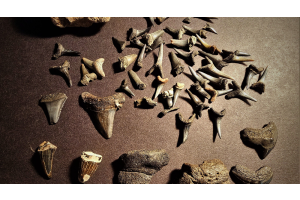
Not far into this story's introduction lies a remarkable fossil: a baby megalodon tooth. Though miniature compared to its adult counterpart, its value runs deep—both in history and mystery.
Let’s explore why such a tiny artifact continues to spark wonder and conversation.
A Glimpse into Prehistoric Beginnings
The adult megalodon is a creature that requires no exaggerated storytelling. Estimated to have grown longer than 50 feet and ruled the seas more than 3 million years ago. But like all creatures, it had a beginning—a phase of life less often discussed, yet equally captivating.
Imagine a young megalodon, perhaps only a few feet long, swimming through shallow coastal waters. What remains of that early life? Teeth. And not just any teeth. Teeth that have fossilized into durable, darkened relics. Teeth that today serve as evidence of its earliest days.
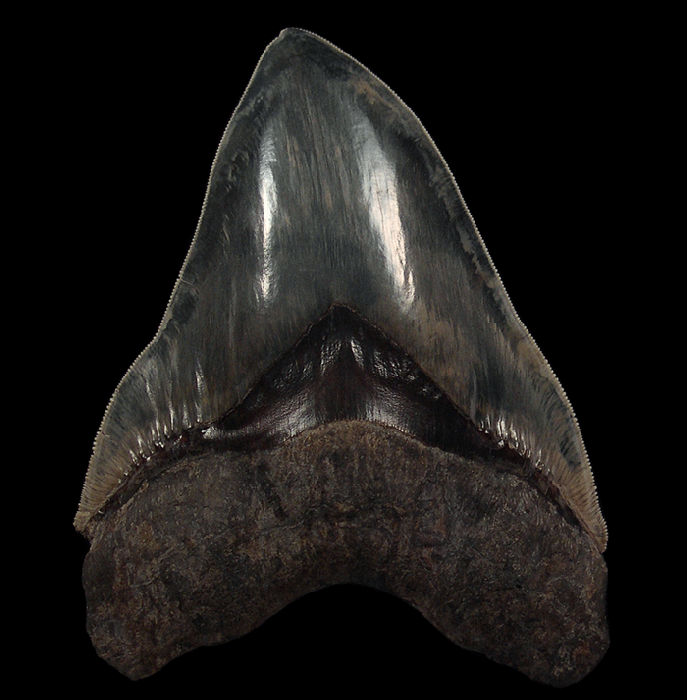
While an adult tooth might resemble a large, triangular dagger, a baby megalodon’s tooth is smaller and sharper in profile, with distinctive serrations and curves that still whisper of its dangerous potential.
The Value Hidden in Size
What makes this fossil especially appealing isn’t its size—it’s the story it tells. A single fossilized baby tooth can help researchers understand how quickly megalodons grew, what their first meals were like, and which environments were safe for the young.
Such insights are not only academic. They help paint a picture of marine ecosystems that existed long before modern marine life emerged. These tiny fossils offer a window into how even the fiercest predators had to survive, adapt, and protect their young.
Some fossilized teeth have been discovered near coastal nursery sites, reinforcing the idea that megalodons were attentive to birthing environments, selecting places rich in food and relatively low in threats.
Why Collectors Are Drawn to Them
Collectors often chase rarity, but what they truly seek is meaning. A fossilized tooth is more than a piece of hardened enamel—it’s a physical piece of Earth’s living history.
Adult megalodon teeth have become iconic fossil finds, often featured in museums and private displays. But baby teeth, due to their scarcity, bring a unique charm to any collection. They're harder to find, less likely to be damaged during fossilization, and incredibly detailed upon close inspection.
These specimens are often showcased not only for their aesthetic beauty but for their scientific and historical relevance. Some collectors frame them, others use them in artistic settings or educational materials. However displayed, they remain conversation starters.
What Sets a Baby Tooth Apart
Identifying a baby megalodon tooth involves close attention to detail. Authentic fossils share key traits that reflect the tooth’s origin and age.
These traits include:
● Serrated Edges: Like their adult counterparts, juvenile teeth exhibit fine, sharp serrations, used for slicing through flesh.
● Coloration: Depending on the minerals in the surrounding sediment, these teeth may take on hues of black, gray, or even tan.
● Shape: A smaller, more triangular crown with a root that still carries the distinctive megalodon curve.
● Texture: Fossilized teeth have a unique surface texture—smooth yet rugged—often indicating the millions of years they’ve weathered underground.
Because of their modest size, baby teeth are frequently overlooked in the field. This makes locating a well-preserved example a satisfying triumph for seasoned hunters.
Fossils for Young Minds and Curious Hands
Beyond seasoned collectors, these fossils serve as incredible educational tools. Children are often fascinated by prehistoric life, especially when it involves enormous creatures like the megalodon. A fossilized baby tooth provides something tangible—something real they can touch, examine, and learn from.
It’s the kind of object that turns a passing curiosity into a lifelong love of science. It teaches patience, observation, and respect for the Earth’s deep history. Whether gifted as a birthday surprise or used in a classroom activity, these fossils hold the potential to inspire new generations.
The Science of Scarcity
The rarity of baby megalodon teeth is not because they didn’t exist in abundance. On the contrary, these creatures gave birth to many young, and the waters were once filled with juvenile sharks.
The real issue lies in preservation. Smaller teeth are more susceptible to erosion, water current movement, and pressure from sediment layers. Over millions of years, very few have remained intact long enough to be found. That scarcity adds to their value—not necessarily in price, but in scientific significance.
Each tooth discovered adds another piece to the puzzle of how these massive predators lived and died.
Bringing the Ocean’s History to Life
For many, collecting fossils is about feeling connected to something much bigger than ourselves. These objects act as silent storytellers, waiting to share what they’ve seen.
A baby megalodon tooth, in particular, speaks of growth, evolution, and survival. Whether you are a casual admirer of ancient marine life or an avid fossil enthusiast, there's something uniquely mesmerizing about holding a relic from an apex predator’s earliest days.
Some display them in glass cases, while others incorporate them into jewelry or art. However you choose to appreciate them, their meaning remains constant: a small reminder of an ocean that once echoed with giants.
Final Thoughts on a Tiny Wonder
In a world filled with distractions, it’s comforting to hold something that hasn't changed in millions of years. A fossil does more than capture a moment—it carries forward the evidence of life once teeming beneath prehistoric waves.
The baby megalodon tooth might be small, but its story is immense. It bridges past and present, science and wonder, land and sea. Whether you're an experienced collector or simply someone fascinated by natural history, this fossil is a rare and meaningful treasure worth exploring.
Ready to Discover Your Own Piece of Prehistoric History?
Fossils connect us to the Earth’s forgotten moments—and there’s no better way to begin or deepen that connection than with a genuine baby megalodon tooth. From educational tools to personal mementos, each tooth holds a story waiting to be shared.
Start your collection or explore new pieces that capture the beauty of ancient oceans.