

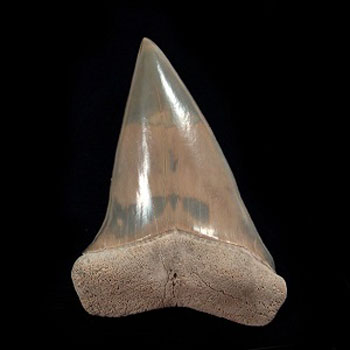
For centuries, fossils have been treasured as more than geological relics; they are time capsules, preserving the mysteries of ancient worlds. Among the most captivating of these relics are shark teeth, whose durability has allowed them to survive for millions of years. Collectors, paleontologists, and enthusiasts alike continue to marvel at their sharp precision, unique shapes, and historical significance. However, not all shark fossils are the same, and that is where fossil grading comes into play. Fossil grading helps determine the value, condition, and authenticity of each specimen, ensuring collectors understand precisely what they are adding to their collection.
After about a million years of history locked inside stone, mako shark teeth and other marine relics show us how nature leaves its signatures in remarkable detail. These ancient treasures are often associated with the prehistoric mako shark, a creature that once dominated the seas with astonishing speed and power.
The importance of fossil grading
When collectors search for shark fossils, they may notice a wide variation in quality, size, and preservation. Fossil grading provides a standardized method for assessing these differences. The grading process evaluates several factors, including:
● Completeness – whether the tooth is whole or broken.
● Enamel condition – including clarity, polish, and any signs of weathering or erosion.
● Coloration – natural hues ranging from deep black to honey brown.
● Rarity – whether the tooth is from a scarce species or a unique locality.
For collectors, grading is essential because it distinguishes between common finds and museum-worthy specimens. A high-grade tooth not only offers visual beauty but also tells a clearer story of ancient oceans.
How grading elevates collecting
One of the most rewarding aspects of fossil collecting is knowing the story behind the specimen. Grading transforms collecting from a casual hobby into a pursuit of knowledge. By understanding the condition of fossils, collectors gain insight into environmental history, the fossilization process, and even the dietary patterns of sharks. For example, teeth with unusual wear or deformation might indicate pathologic conditions, making them especially valuable to collectors who appreciate rare anomalies.
Fossil grading also protects collectors from unknowingly purchasing artificially altered or misrepresented teeth. With grading standards in place, one can confidently invest in authentic specimens that truly reflect natural history.
Why mako shark teeth are highly sought after
Mako sharks, both ancient and modern, are celebrated for their speed, strength, and sleek design. Their teeth reflect these qualities—sharp, curved, and designed for seizing prey. Fossilized teeth from these sharks are among the most collected because they embody the perfect balance of beauty and ferocity.
Collectors, especially those interested in mako shark fossils, prize specimens from locations such as Lee Creek in North Carolina, Sharktooth Hill in California, and the coastal regions of South America. Each locality contributes distinct variations in color and size, adding to the uniqueness of every specimen. A collector who holds one of these teeth essentially holds a piece of oceanic history.
The prehistoric mako shark: a glimpse into ancient oceans
While modern mako sharks inspire awe today, their prehistoric ancestors were equally fascinating. The prehistoric mako shark was a formidable predator that had a considerable impact on marine ecosystems. Studying fossilized teeth from these sharks provides essential insights into their evolution and adaptation over millions of years. Their teeth, often larger than those of modern species, serve as reminders of just how dominant they were in their time.
These fossils don’t just symbolize ancient predators; they highlight the resilience of nature. Long after the prehistoric mako shark disappeared, its teeth continue to remind us of the power and adaptability that defined Earth’s oceans.
Condition, value, and authenticity in fossil collecting
Not every tooth discovered has the same story to tell. Some may exhibit signs of erosion from currents, while others remain pristine due to protective layers of sediment. This is why grading is critical—it allows collectors to differentiate between ordinary fossils and specimens of exceptional quality.
For instance, a tooth with flawless enamel, sharp edges, and no restoration work would likely be graded as museum quality. On the other hand, a fossil with chips or heavy wear may still hold charm but falls into a lower grading category. Both have value, but grading ensures clarity in their worth.
Our commitment at Buried Treasure Fossils
At Buried Treasure Fossils, we understand the allure of fossil collecting and the importance of accuracy in this pursuit. We proudly offer a broad assortment of top-quality mako shark teeth sourced from renowned localities worldwide, including the United States, South America, Europe, and Africa. Our collection spans numerous species, including Isurus praecursor and Isurus desori, as well as Carcharodon hastalis and Isurus retroflexus. Whether you are seeking the earliest forms of mako shark fossils or the largest and rarest specimens, our selection guarantees authenticity and excellence.
Making fossil collecting personal
Collectors often describe the moment of holding a fossil tooth as an almost timeless experience. Imagine having a tooth once belonging to a predator that swam Earth’s seas millions of years ago. Fossil grading not only adds value to this experience but also ensures that you understand the history, rarity, and authenticity behind it. It bridges the emotional connection between the collector and the story of our planet’s past.
Conclusion: Why grading matters for mako shark fossils
In the world of fossil collecting, knowledge is just as essential as the specimen itself. Fossil grading provides a framework for evaluating, appreciating, and preserving the legacy of ancient marine life. Among the most remarkable finds, mako shark teeth hold a special place, captivating collectors and researchers alike with their beauty and history. And when paired with insights into the prehistoric mako shark, these fossils become more than relics—they become vivid reminders of Earth’s ever-changing oceans.
Whether you are a seasoned collector or a curious beginner, fossil grading ensures that every specimen tells its story clearly and truthfully. If you’re ready to explore an authentic collection of shark fossils and learn more about their condition, rarity, and history, contact us today to discover your next remarkable addition.






