For fossil hunters, there are few adventures as thrilling as diving into the murky depths of North Carolina’s coastal rivers, searching for relics of the prehistoric past. The allure isn’t just in the dive—it’s in the mystery. Every descent carries the promise of unearthing something rare, ancient, and irreplaceable. The waters here hide more than sand and silt; they cradle millions of years of history. Beneath the surface, layers of sediment preserve the remains of sharks that once ruled the oceans, including the legendary megalodon.
Our diving experiences along the northern coastal rivers of North Carolina have taught us one thing: patience is as important as skill. Even seasoned divers spend countless hours sifting through shells and gravel before spotting the gleam of enamel. The conditions can be unpredictable, and visibility is often measured in inches, not feet. And yet, these challenges are part of the magic. For those willing to brave the currents and darkness, the reward can be extraordinary—a megalodon tooth from North Carolina, perfectly preserved, its serrated edges sharp even after millions of years.
The copper-red phenomenon
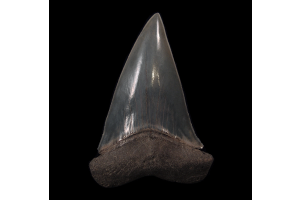
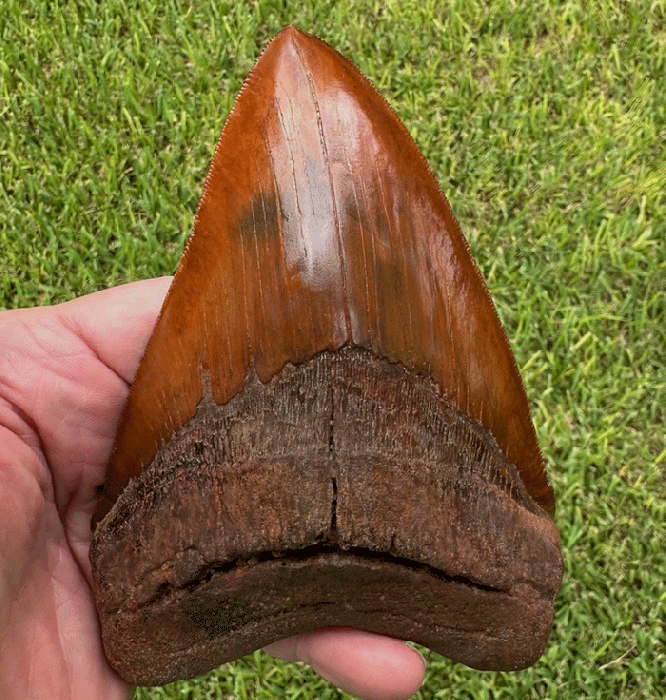
One of the most remarkable features of this region is the rare copper-red coloration found in some fossil shark teeth. Formed in the Eocene Castle Hayne Formation, Miocene Pungo River Formation, and Pliocene Yorktown Formation, these hues are not just visually stunning—collectors highly seek after them. The northern coastal rivers here yield teeth from various prehistoric sharks, including Angustidens, Auriculatus, Chubutensis, Great White, Mako, and, of course, megalodons. But they yield them sparingly. Many divers return home empty-handed, having encountered the harsh reality that quality often comes at the expense of quantity.
When luck does strike, however, it’s unforgettable. We’ve seen divers break the surface grinning from ear to ear, holding a tooth so well-preserved that it seems as if it could have been shed yesterday. In these moments, the stories of ancient predators feel tangible, almost alive. A megalodon tooth found in North Carolina isn’t just a fossil—it’s a direct connection to a creature that dwarfed great white sharks and dominated the seas for millions of years.
Lee Creek: the legend lives on
While river diving gets much of the spotlight today, we can’t ignore the history of the Lee Creek phosphate mine in Aurora, North Carolina. Before it ceased in 2008, it was a world-renowned site for Miocene and Pliocene fossils. The mine produced extraordinary specimens, from large megalodon teeth to intricate marine invertebrates. Although we can no longer access this location, its legacy endures in the fossils that continue to circulate among collectors and museums. For those who treasure authenticity and geological history, the Lee Creek finds remain unmatched.
At Buried Treasure Fossils, we have built our reputation on offering not just fossils, but also stories. Every tooth we present has a history—whether it’s been recovered from the dark waters of a coastal river or the now-closed mine beds of Lee Creek. We understand the rarity and value of these specimens, and we’re committed to ensuring they find their way into the hands of those who appreciate their significance.
What divers say: skill, persistence, and a bit of luck
Talking to divers who’ve dedicated years to megalodon tooth hunting here, we hear recurring themes. First, it’s a test of endurance. The water is cold, the currents strong, and the bottom terrain unpredictable. Second, it’s a game of precision. Knowing where to search—often in deeper holes where sediments have shifted—can make all the difference. And finally, it’s about luck. Fossils are finite; they’re where they are by chance, and no diver can control the tides that have buried them.
Stories from the field are as varied as the finds themselves. One diver recalls a day when he surfaced with nothing but shells after six hours underwater, only to return the following weekend and discover a six-inch tooth lying partially exposed in the riverbed. Another recounts spotting a faint outline under a thin layer of silt, brushing it away to reveal a perfect copper-red specimen. These moments are the reason divers keep coming back.
The collector’s value
For serious collectors, these finds are more than beautiful relics—they’re investments. A tooth with exceptional color, preservation, and size can command significant value, especially given the scarcity of certain finds. Copper-red teeth from North Carolina are in particularly high demand, often surpassing similar specimens from neighboring regions. The combination of rarity, geological history, and aesthetic appeal makes them highly sought after worldwide.
But collecting isn’t just about monetary worth—it’s about preserving a piece of Earth’s deep history. Holding a tooth that’s millions of years old puts the immense scale of natural history and evolution into perspective. It’s humbling to think that this fossil once sat in the jaw of an apex predator cruising ancient seas.
The dive continues
Even with all the challenges, the pursuit of megalodon teeth here shows no sign of slowing. The combination of natural beauty, geological richness, and historical intrigue draws divers and collectors back time and again. North Carolina’s waters may not give up their treasures easily, but that’s precisely why they’re worth seeking. Every find is the result of effort, skill, and respect for the process.
For us, the excitement lies not just in the hunt but in sharing these incredible pieces with those who value them as much as we do. When we place a tooth in a collector’s hands, we’re not just passing along a fossil—we’re passing along the story of its origin, its age, and the diver’s journey to retrieve it.
Conclusion
Searching for fossils in North Carolina is not for those who lack courage, but for those ready to embrace the challenge. It presents an opportunity to discover treasures that are millions of years old. Whether it’s a megalodon tooth from North Carolina, showcasing unique copper-red shades that narrate the tale of a prehistoric predator, or any other piece, every item reflects the ocean’s ancient past. We are proud to offer these extraordinary finds to collectors and enthusiasts who share our enthusiasm for paleontology. Suppose you’re interested in enhancing your collection with a piece of history or simply want to gain more knowledge about these fascinating fossils. Reach out to us today. In that case, your subsequent discovery might be just around the corner.