

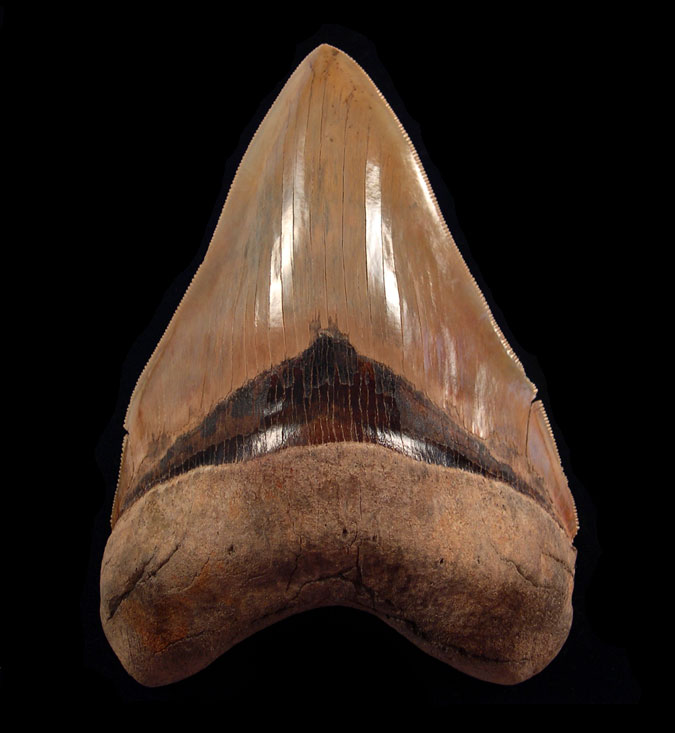
For centuries, fossils have been cherished as windows into the Earth’s distant past. Among the most awe-inspiring are megalodon teeth, relics from the largest shark to ever exist—Carcharocles megalodon. These teeth are not only prized for their rarity but also for the powerful stories they carry of oceans that lived millions of years ago. Collectors, paleontologists, and enthusiasts alike find themselves captivated by the unique size, color, and preservation of each specimen.
We encounter a key focus—the largest megalodon tooth ever discovered, a fossil that stands apart in both value and intrigue. But what specific conditions make such a remarkable tooth so highly prized today? Let’s break it down with clarity and precision.
The prehistoric origins that shape their uniqueness
Megalodon sharks dominated the oceans approximately 23 to 3.6 million years ago, spanning the Miocene and Pliocene epochs. Their significant presence in ancient marine environments resulted in a vast number of teeth being left behind, as sharks constantly lose teeth throughout their lifetimes. However, the majority of megalodon teeth found today are damaged, eroded, or incomplete because of the extensive effects of time and geological pressures.
The rare exception is when environmental conditions, such as rapid burial in fine sediments or mineral-rich deposits, preserved these teeth almost perfectly. When one encounters a tooth that is not only massive but also intact, it immediately becomes an extraordinary piece—something that sets the largest megalodon tooth ever in a league of its own.
Why size plays a critical role
Size is often the first factor collectors consider. A tooth that exceeds six inches is exceptionally rare, with specimens approaching or surpassing seven inches being considered the absolute elite. The value of such teeth increases exponentially with every fraction of an inch added to their length.
But it’s not only about size—it’s about proportion. The width, serration integrity, and overall balance of the tooth all contribute to its desirability. Larger teeth tell a richer evolutionary story, directly linking to the immense size of the megalodon itself, which could grow to nearly 60 feet in length.
The influence of color and preservation
Condition is everything in fossil collecting. The coloration of a megalodon tooth is determined by the minerals in the surrounding soil where it fossilized. Moroccan teeth, for instance, often exhibit a rich, earthy tone, while specimens from coastal U.S. states, such as North Carolina, display stunning blues, grays, or blacks. Collectors prize unique coloration because it provides character and rarity, almost like a gemstone’s hue.
Preservation matters just as much. A tooth with intact enamel, precise serrations, and a pristine root will always command higher value. A megalodon tooth would be diminished in worth if its edges were eroded or if its enamel were chipped away.
Geographic rarity and provenance
Another factor that drives value is location. Some fossil sites have been exhausted or restricted, making teeth from those areas even more scarce. For example, Moroccan megalodon teeth—such as the scarce specimen catalogued under SKU M075—are valued not only for their size and color but also for their limited availability. Knowing a tooth’s exact provenance adds historical credibility, which increases its desirability among seasoned collectors.
When a collector holds a massive Moroccan specimen, they’re not just holding a fossil—they’re having a scarce piece of Earth’s deep history.
The collector’s mindset: rarity and storytelling
Collectors aren’t merely purchasing fossils; they’re investing in stories. Owning a megalodon tooth is like holding proof of the ocean’s greatest predator. But when it comes to the Megalodon tooth, the story transcends. It becomes a symbol of rarity, endurance, and survival against the odds of deep time.
Imagine presenting a flawless, oversized Moroccan megalodon tooth in a collection. It is not just an object—it is a centerpiece, a conversation starter, and often, a legacy piece to pass on. This mindset of rarity and storytelling elevates the value of the largest specimens to levels far beyond their physical traits.
Case study: Moroccan megalodon teeth
The Moroccan specimens highlight the conditions that drive both beauty and scarcity. Take, for instance, SKU M075—a 3-1/16” high-quality tooth from the Dakhla area of Western Sahara. These teeth, dating back to the Miocene epoch around 14 million years ago, exhibit excellent coloration and strong preservation. While smaller than record-setting giants, they embody the exact conditions that allow collectors to see how value is determined: scarcity, authenticity, and condition.
In fact, when 18 Moroccan megalodon teeth were added in October 2020, they were quickly recognized as highly desirable, with many selling out due to their rarity. That scarcity continues to drive demand, ensuring Moroccan specimens remain highlights in the fossil world.
The role of authenticity and guarantees
Another critical condition is authenticity. The fossil market, like many collectibles, has seen imitations. Therefore, collectors place immense value on dealers who provide authenticity guarantees. This assurance transforms a tooth from a mere object into a verified artifact of natural history.
At Buried Treasure Fossils, we ensure that authenticity is never in question, offering collectors confidence in every specimen they purchase. This trust adds another layer of value, particularly for exceptional specimens like the megalodon tooth discovered.
Conclusion: Why the largest megalodon tooth ever stands apart
When examining what makes these extraordinary fossils so prized today, the answer lies in a blend of size, preservation, color, geographic rarity, provenance, and authenticity. Together, these conditions elevate certain specimens beyond the ordinary, turning them into museum-worthy treasures that collectors fiercely seek.
The largest megalodon tooth embodies all these qualities at the highest level. It is not only the immense size, but also the story of survival spanning millions of years, the rarity of preservation, and the credibility of provenance, that make it highly valued today.
Suppose you’re looking to add a remarkable specimen to your collection or simply want to learn more about these incredible fossils. Contact us. In that case, we’d love to help you uncover your own piece of prehistoric history.






