

Have you ever held a shark tooth and wondered what stories it could tell? At Buried Treasure Fossils, we specialize in helping you uncover pieces of prehistoric life through our incredible collection of fossils. One of the most exciting comparisons we often explore is the Megalodon tooth vs great white tooth. These two giants of the shark world—one extinct and one still thriving—offer amazing insight into life beneath the waves, both past and present.
Let’s dive deep into the ancient waters and learn what these teeth reveal about the lives and times of these oceanic titans.
Giants of the Deep: A Look Back in Time
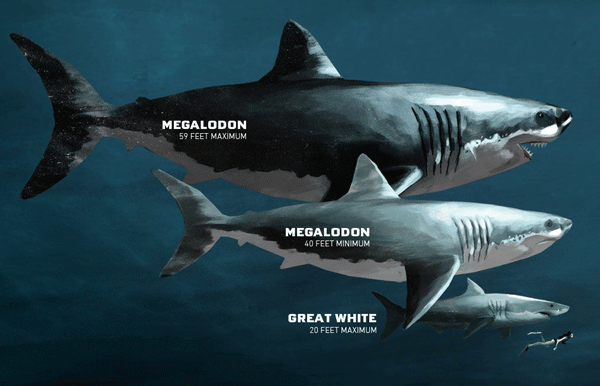
Millions of years ago, the oceans were home to one of the most powerful predators to have ever lived—the megalodon. This enormous shark dominated the seas, with some estimates placing its length well over 50 feet. While the megalodon itself no longer swims our oceans, its legacy survives in its teeth.
Thick, broad, and often over seven inches in length, megalodon teeth are awe-inspiring fossils. When you hold one in your hand, you are literally holding a fragment of ancient marine history. Their massive size and structure suggest a diet filled with large prey, likely involving powerful bites capable of breaking through bone.
Today, we still have a mighty shark ruling the seas—the great white. Though not as colossal, the great white shark is a formidable predator in its own right. Its teeth are smaller, averaging around two to three inches, and shaped like sleek, sharp triangles. Unlike the megalodon’s broad crushing tools, great white teeth are designed for swift and clean cuts, perfect for modern prey like fish and seals.
Shape Speaks: What the Teeth Reveal
Comparing a Megalodon tooth vs great white tooth tells us more than just size differences. The shape and structure of these teeth provide an inside look at how these sharks interacted with their environment.
Megalodon teeth are wide and robust, built for gripping and breaking through tough materials. Their size alone suggests they were feeding on very large animals. The ridged edges and impressive weight of these fossils give them a commanding presence, hinting at the kind of dominance this creature once held in prehistoric oceans.
In contrast, the great white shark tooth is narrower and finely serrated. Its sharpness makes it highly effective for slicing through flesh quickly, a trait suited for agile and efficient hunting in today’s seas. The modern great white is a streamlined predator, and its teeth reflect that level of precision.
Each tooth, regardless of type, serves as a natural record of adaptation, strength, and survival over millions of years.
Stories Locked in Enamel
Every tooth has a story. When you examine a megalodon tooth, you're not just looking at a fossil—you're holding a relic from a time when creatures of unimaginable size ruled the seas. These fossils can be millions of years old, making them powerful artifacts of natural history.
Great white shark teeth, though younger, still carry immense significance. Some may be thousands of years old, passed down through the ages in perfect fossilized form. They offer a link between the past and the present, between creatures long gone and those still swimming in the depths today.
At Buried Treasure Fossils, we believe that each shark tooth is a portal into the ancient world. Collectors and enthusiasts alike are often drawn to these teeth not just for their rarity, but for the stories they embody—tales of survival, adaptation, and the ever-changing landscape of Earth’s oceans.
Beauty in Every Tooth
One of the most striking aspects of shark teeth is their natural beauty. A megalodon tooth, with its rugged form and immense size, makes a bold and dramatic statement. Its weathered edges and immense scale carry a sense of ancient power.
On the other hand, the great white tooth has a sleek and refined look. Its sharp angles and perfect symmetry highlight the shark's efficiency as a modern predator. Both types of teeth are captivating in their own ways, and collectors are often just as drawn to their aesthetics as they are to their age or origin.
These teeth, whether from the megalodon or the great white, serve as natural art—each with a unique appearance shaped by time and environment. They are more than fossils; they are testaments to nature’s design and endurance.
A Connection Across Time
Whether you’re new to fossil collecting or a seasoned enthusiast, exploring the Megalodon tooth vs great white debate brings a deeper appreciation for the ocean’s rich history. It’s not just about comparing size or sharpness—it’s about understanding how these creatures lived and how their legacies live on through the fossils they left behind.
At Buried Treasure Fossils, we are passionate about helping you connect with this history. Each tooth we offer has its own story, and by collecting them, you become part of that story. These treasures from the sea serve as timeless links between ancient oceans and the world we know today.
Begin Your Fossil Journey
Whether your heart is set on the grandeur of a megalodon tooth or the precision of a great white tooth, we invite you to explore our collection at Buried Treasure Fossils. With every fossil, you’re not just adding to your collection—you’re stepping into a world shaped by time, tide, and tooth. Each piece holds echoes of a world long past, capturing the strength, mystery, and evolution of ancient marine life.
These teeth serve as powerful reminders of nature’s resilience and the ever-changing life beneath the waves. Owning one means preserving a fragment of Earth’s incredible prehistoric journey—something to marvel at, study, and share for generations. Let your curiosity guide you through our collection and uncover the hidden stories locked in stone.
Discover your piece of the past. Let the ancient seas speak through the fossils you choose to collect.
Disclaimer: This blog is intended for informational purposes only. It does not encourage or endorse any unethical or illegal practices related to fossil collection. Please always adhere to local laws and regulations and practice environmental responsibility.






