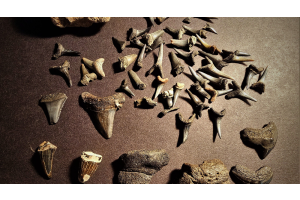
The alarming actuality of the Megalodon, the age-old behemoth of prehistoric oceans, continues to captivate scientists, fossil enthusiasts, and ocean explorers alike. This enormous predator, with its iconic teeth the size of a human hand, dominated the oceans for millions of years. Yet while individual teeth are often admired and collected, there's a far less explored yet equally captivating subject that offers a broader window into this extinct titan’s world — Megalodon tooth ledges.
At Buried Treasure Fossils, we are deeply committed to uncovering the hidden narratives embedded within the Earth’s layers. These rare geological features give us a chance to peer beyond the tooth itself and into the very environment the Megalodon once ruled. In this blog, we journey into the fascinating realm of Megalodon tooth ledges, uncovering what they are, how they form, and why their existence matters so deeply.
What Exactly Are Megalodon Tooth Ledges?
Contrary to what the name may suggest, Megalodon tooth ledges are not the fossilized teeth of the ancient shark. Instead, they are sedimentary formations — geological shelves embedded within the seafloor that house concentrations of megalodon teeth and other marine fossils. Over vast spans of time, natural processes such as sedimentation and current shifts have caused the accumulation of these relics, creating compact areas of fossil density. These ledges function as time capsules, preserving not just individual teeth but entire ecological snapshots from millions of years ago.
For fossil enthusiasts and marine historians alike, these ledges represent more than a collection of teeth. They reflect behavioral patterns, habitat preferences, and possibly even migratory paths of the Megalodon.
How Do These Ledges Form?
The formation of Megalodon tooth ledges is an intricate natural process, shaped by geological time and oceanic dynamics. These ledges are typically created through:
1. Sedimentary Layering
Over millions of years, the ocean floor accumulates layers of sediment — sand, silt, clay, and biological debris. These layers act as nature’s filing system, capturing and preserving remains of marine life, including megalodon teeth.
2. Fossil Deposition
As megalodons lost teeth throughout their lives, these would fall to the ocean bottom and become buried within the accumulating sediment. In certain areas with minimal disturbance and consistent sediment flow, concentrations of teeth began to form ledge-like structures.
3. Ocean Currents and Erosion
Currents play a significant role in both dispersing and collecting fossil material. In some locations, currents slowly revealed and reshaped ledges over time, further refining their structure and making them discoverable today.
The result is a structured shelf or ledge that is rich with fossilized teeth, bones, and occasionally even ancient marine flora. These aren't simply collections of loose teeth; they're part of a broader ecological story.
Features That Make Megalodon Tooth Ledges Unique
Megalodon tooth ledges are distinct in several notable ways:
● High Concentration of Fossils: One of the most defining characteristics is the unusually dense presence of megalodon teeth, often embedded in stratified sediment layers.
● Diversity of Marine Life: Ledges may contain remains of other prehistoric marine creatures, providing broader context for the ecosystems the Megalodon thrived in.
● Geological Context: The sediment surrounding the teeth tells its own story — composition, layering, and fossil mix all provide valuable information about ocean conditions at the time.
As fossil curators at Buried Treasure Fossils, we recognize the scientific and historical value that these formations offer. The teeth recovered from these ledges are often better preserved due to being shielded from erosion and scavenging over millennia.
Why Are These Ledges So Hard to Access?
Despite their incredible value, Megalodon tooth ledges are notoriously difficult to explore. Several challenges limit our ability to fully understand and uncover these formations.
Deep-Sea Locations
Many ledges lie deep beneath the ocean surface, often beyond the reach of casual exploration. Accessing them requires advanced technology such as remotely operated vehicles (ROVs) or manned submersibles, making each discovery a major undertaking.
Fragility and Preservation
Ledges are often delicate structures. Any intrusion, especially from unregulated exploration, risks damaging or permanently altering the fossil bed. Preservation is crucial, not only for today’s fossil seekers but for future generations who may uncover even more information with evolving techniques.
Threat of Looting
As awareness of these ledges grows, so does the risk of fossil looting. Removing items without proper documentation disrupts the geological and ecological context that makes these ledges so valuable. At Buried Treasure Fossils, we advocate for responsible collection practices that prioritize documentation and conservation.
What Secrets Might These Ledges Hold?
The allure of Megalodon tooth ledges isn’t just in the teeth. It's in the potential revelations:
● Insights into Megalodon Behavior: Tooth wear, size variations, and orientation within the ledge may suggest feeding habits, growth patterns, or age distributions.
● Environmental Indicators: The sediment and associated fossils can tell us about ancient water temperatures, salinity, and marine biodiversity.
● Migration Routes: If ledges appear along specific geographical corridors, they could indicate habitual routes traveled by Megalodons.
These formations may hold keys to understanding not just the creature, but the entire underwater world that existed around it. As we continue our commitment to discovering and preserving these windows into the past, we encourage our community to engage with these findings not just as artifacts, but as chapters in a much larger story.
Our Role in This Ongoing Journey
At Buried Treasure Fossils, our passion for prehistoric marine life drives everything we do. We don't simply provide fossils — we help unlock the narratives they contain. Through careful sourcing, respectful handling, and a deep appreciation for the environments they come from, we strive to ensure that each fossil we offer reflects the wonder and complexity of Earth’s ancient oceans.
Our interest in Megalodon tooth ledges is part of this broader mission. These formations are not merely geological anomalies — they are stories told in stone, waiting for someone to listen. And while challenges remain in accessing and studying them, each ledge encountered brings us closer to understanding the majestic ruler of ancient seas.
Explore the Depths of the Past with Us
Megalodon tooth ledges are among the most captivating and underexplored treasures of our prehistoric world. They serve as monuments to a time when giants ruled the oceans and nature's forces slowly etched their stories into the seabed.
Join us in uncovering and preserving these incredible pieces of Earth’s legacy. Whether you're an enthusiast, collector, or simply fascinated by natural history, Buried Treasure Fossils welcomes you to explore with us.
Dive into the world of ancient oceans — your fossil journey begins here.
Disclaimer: This blog is intended for informational purposes only and does not constitute any professional advice. It does not encourage or endorse any unethical or illegal practices related to fossil collection. Please always adhere to local laws and regulations and practice environmental responsibility.