

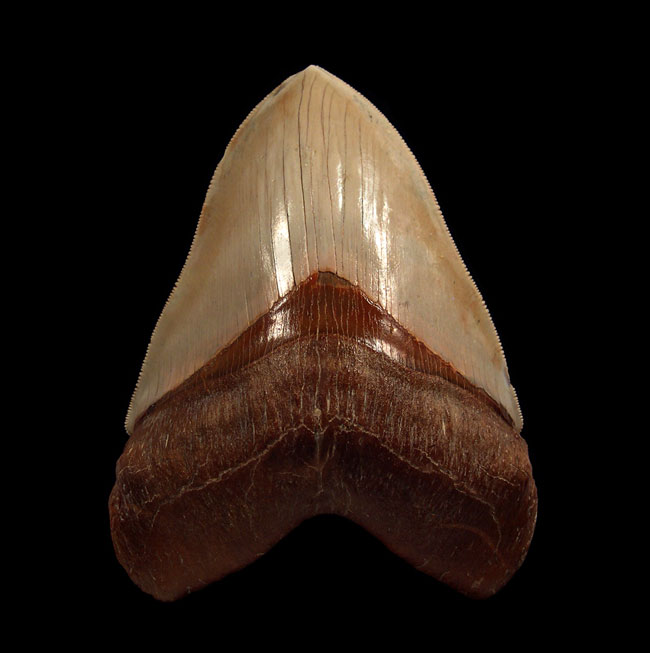
Rare fossil listings often go unnoticed because buyers want more than just size. They crave meaning, origin, and rarity they can trust. The fossil space has grown, and with more sellers entering the field, basic listings no longer spark interest. Today’s buyers look for context. They want stories supported by science and presentation. Sellers who present fossils with a credible background and thoughtful comparisons stand out from the rest. One of the best tools you can use to achieve this involves storytelling about the world’s largest megalodon tooth, found in Chile. That one discovery can help you create authority and draw more attention.
Want More Buyers for Rare Fossils? Showcase the World’s Largest Megalodon Tooth
Many fossil listings lack the clarity and depth that serious buyers demand. If you only post a photo and size, buyers may scroll past without engaging. They look for formation details, preservation conditions, and fossil significance. Buyers rely on these cues to decide whether your piece belongs in their collection. If your listing feels shallow or unclear, they will assume you do not know the value of what you offer. They will keep looking. That missed opportunity happens not because of poor inventory but because of poor presentation. Collectors do not guess. They evaluate.
What Makes the Chile Megalodon Tooth a Valuable Reference Point?
Chile’s Megalodon tooth offers more than size. It stands out for its preservation and geological context. Experts discovered it within marine-rich Miocene deposits along the Chilean coast. The tooth exceeded seven inches in slant height. Its enamel remained sharp, its root complete, and its serrations clear. Based on the size of the tooth, researchers estimated that the shark measured over 50 feet long. This finding matters not only for science but also for sellers. By using it as a reference, you place your own fossils in the framework of known discoveries. You give buyers something to connect with and compare.
How to Make Your Fossil Listings Speak Louder?
Buyers want to see more than stats. You can build trust by presenting fossils with complete transparency and rich context. Here are simple ways to strengthen your listings:
● Add a ruler or coin in your photos to provide immediate size comparison
● Share multiple views, including root, enamel, and serration details
● Mention the formation or region where the fossil came from
● Compare its size or condition with known finds like the Chile Megalodon tooth
● Use simple terms, but keep facts accurate and specific
With better visuals and verified details, your fossils speak for themselves. The result is more engagement and higher buyer confidence.
Show the Story, Not Just the Size
Buyers connect with meaning. Explain to them how your fossil fits into a larger story. The Chile tooth gives you an anchor for that narrative. Most Megalodon teeth measure between four and six inches. This one passed seven. If your fossil measures five inches or more and has precise serrations, display it. Say how few specimens from your region reach that size or condition. Instead of only listing numbers, explain what they represent. You don’t need the world’s largest megalodon tooth to create excitement. You need the proper context that helps buyers understand value.
Use Educational Descriptions to Boost Sales
You can build buyer trust when you teach while you sell. Instead of saying your fossil is rare, explain why. Share the age of the rock layer it came from. Note the time period, such as Miocene or Pliocene. If you acquired the fossil from a reputable source, please specify the source. Add data, such as root width or serration visibility, to support your claims. When you describe a condition, avoid vague terms. Use photos to prove the detail. People who collect fossils do their homework. When you write explicit and informed descriptions, you speak their language.
Improve Visibility Through Smart Content Marketing
Buyers often discover fossils through content rather than searching listings. You can attract more of them by writing helpful posts. Explain what makes Megalodon teeth rare. Compare the Chile tooth to other known finds. Use the main keyword naturally and with purpose. For example, a blog post that references the world’s biggest megalodon tooth can bring traffic from people searching for that topic. When they arrive, guide them to your inventory. Offer more than products. Offer perspective. Help people learn and explore. If your site becomes a place where collectors learn, they will also begin to trust your offerings.
Build More Trust with Transparent Documentation
Collectors place a high value on truth. They look for sellers who provide all the details. Avoid empty claims. Show everything with clarity. If you say your Megalodon tooth is rare, prove it. Share:
● Accurate measurements with labeled photos
● Location of discovery or sourcing region
● Geological formation is known
● Any expert opinions or notes from past ownership
● Quality markers such as enamel preservation and serration
When buyers see you put effort into documenting your piece, they feel more secure. They know you respect the fossil and understand its worth. That opens the door to faster and more informed buying decisions.
Apply the Chile Tooth Comparison Without Owning It
You do not need to own the Chile fossil to use it as a powerful reference. Let it elevate your product descriptions. If your Megalodon tooth measures six inches, compare it with the Chile find. If the serrations match in clarity, highlight that. Create content around the rarity of large teeth and how your specimen fits within that scale. Instead of competing on hype, compete on accuracy. The Chile tooth gives you a public example that buyers already respect. Align your pieces with that level of detail. Make the comparison visual and factual. Collectors will respond.
Speak to Real Collectors Through Specific Language
Not all buyers collect for the same reason. Some enjoy science. Others treat fossils as long-term investments. Many admire the beauty of deep time. Speak in a way that connects with all of them. Avoid overusing terms like ‘rare’ or ‘premium’. Instead, talk about preservation, documented origin, and size in absolute numbers. If your tooth came from a known site, mention it. Avoid guesswork. Stay grounded in facts. Your tone should convey a confident yet humble demeanor. The Chile Megalodon tooth did not need exaggeration. Its facts spoke clearly. Let your fossil facts do the same.
Final Words
End your listings or pages with something that invites exploration. Ask your buyers to compare their fossil knowledge with what you just shared. Please encourage them to explore more stories. Offer links to visual guides. Give a short explanation on how to grade Megalodon teeth. Keep the tone inviting. People trust sellers who teach and share without pressure. Use the example of the world’s biggest megalodon tooth to remind buyers why the fossil world still holds wonder. You do not need to sell hard. You only need to speak with care and clarity. The rest happens naturally.
Footnote
Collectors recognize the Chile Megalodon tooth as a rare discovery from the Miocene era that continues to shape how sellers present and compare large fossil specimens in today’s market.






