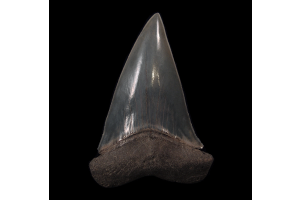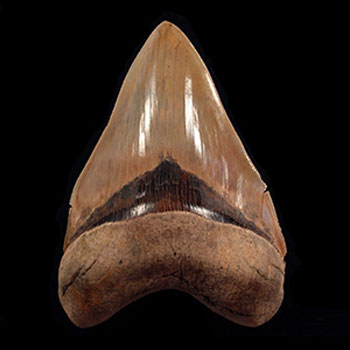
Collectors who invest in megalodon teeth often face one challenge first. They struggle to figure out what a fair price actually looks like. The wide price range creates confusion. One tooth may cost a few hundred dollars, while another of a similar size may command several thousand dollars. That inconsistency raises serious questions. The megalodon tooth price varies based on factors most new buyers overlook, which makes understanding those elements essential. If you want clarity and confidence before making a purchase, use this collector-first checklist. It covers every key detail that affects the price of the megalodon tooth. It helps you distinguish between an average specimen and one truly worth collecting.
Examine Enamel to Judge Megalodon Tooth Price and Preservation
Start with the enamel condition. A well-preserved enamel surface offers an intense shine, a rich mineral tone, and a fine surface texture. Teeth from riverbeds in North Carolina or Florida often preserve enamel better due to stable sediment. When you see glossy surfaces with minimal cracks, that indicates natural preservation. Stay cautious if you notice faded luster or rough textures. These signs typically result from chemical wear or exposure to the sun. Sharp enamel with minimal flaking indicates that the tooth remained undisturbed in the fossil layers. Enamel condition always starts the valuation conversation.
Check for Restoration and Repair Clues
Ask sellers directly about repairs. Some fossils undergo reattached tips or restored root sections. This practice appears often with incomplete finds, but it always affects value. A seller should disclose this clearly. If not, check the tooth for texture mismatches or unnatural gloss. Restoration materials often look shinier or smoother than the original surface. Natural megalodon teeth carry imperfections. Flawless symmetry usually signals restoration. Collectors prefer authentic conditions. A tooth with no repairs holds stronger market interest and supports long-term value.
Balance Size with Overall Tooth Integrity
Many collectors prioritize size, especially when it comes to teeth that are over six inches in length. These larger specimens appear less often and often carry a premium. Still, don’t let size distract you from quality. A tooth measuring five inches with complete serrations and an intact root usually outperforms a longer one with tip damage or heavy erosion.
● Weigh size against preservation. Study width, thickness, and mineral density. Heavier teeth often reflect stronger fossilization.
● Match dimensions with structural soundness. The best-value fossils are those that combine size and solid integrity.
Understand Provenance and Collection Site History
Always ask for the locality. Provenance affects both visual features and price. For example, teeth from the Southeastern river systems often exhibit rich colors and strong serrations due to the mineral-rich water in which they are found. Teeth from Peru or Morocco exhibit distinct color signatures due to variations in soil chemistry. When sellers include a collection site, fossil layer, and discovery history, they add transparency. That detail helps verify age, origin, and value. Collectors rely on accurate provenance to judge rarity. A well-sourced tooth speaks volumes beyond its appearance.
Look Closely at Serrations and Tip Condition
Serrations show cutting function and preservation. When these saw-like ridges remain sharp from root to tip, you know the tooth stayed protected underground and its serrations were not damaged or smoothed, which lowers collector interest quickly. Tip sharpness also matters. A crisp, pointed tip indicates limited post-fossil handling. If you see rounded tips, that usually means water-wear or impact. Examine both edges in detail. Sharp serrations and a full tip add clear value. These features confirm the fossil’s structural quality and raise its collector grade.
Evaluate Color as a Supporting Feature Only
Unique color catches attention, but it shouldn’t replace structural value. Still, some buyers pay a premium for teeth with rare coloration.
● Colors such as jet black, copper red, golden yellow, and even light blue can appear, depending on the soil chemistry in areas like the southeastern river basins.
● These colors often reflect the mineral replacement that occurs during the fossilization process. Combine intense color with intact features to justify a premium. Without integrity, color means little.
Use Current Market Activity to Make Smarter Decisions
Track current prices before committing to any fossil. For example, a four-inch tooth with full enamel and sharp serrations might cost between $500 and $800. Larger teeth, over five inches in top condition, may exceed $ 1,500. Exceptional six-inch specimens, especially with whole root and tip, sometimes cross the five-figure threshold. Compare listings from multiple reputable sources. Don’t use one outlier as your benchmark. Trends reflect rarity and demand. When you know what the market values, you avoid emotional decisions and focus on logic. That’s where a clear understanding of the megalodon tooth price gives you an advantage.
Ask Meaningful Questions to Reveal the Tooth’s Story
Go deeper than appearance. Ask sellers about the digging method, year of recovery, and storage history. Request photos from the dig site when possible. Sellers with nothing to hide often freely supply their backstory. A well-documented tooth carries stronger credibility. Serious collectors want that history. The backstory strengthens long-term value. If the seller avoids direct answers or gives vague details, reconsider. Every fossil comes with a journey. The more you understand it, the better you evaluate price and importance.
Know When to Walk Away from Discounts
You might feel tempted by steep discounts. Stop and assess the reasons. Low prices often hide restoration, erosion, or incomplete roots. A six-inch tooth for under $ 300 probably includes flaws that the photos don’t reveal. Ask the seller for side-by-side images or additional views. Demand a close-up of the tip and serrations. Price alone never proves value. Base your decision on the features, not the markdown. Long-term collectors build smart collections from quality fossils, not bargains with hidden damage.
Use Instinct but Always Verify Every Detail
Always rely on your instincts, but never skip due diligence. Run through this checklist every time you evaluate a tooth. Zoom in on the enamel texture, inspect the tip, count the serrations, and ask about the provenance. Review photos from all sides. Double-check measurements and compare against current trends. Trust your research as much as your reaction. The price of a megalodon tooth reflects its condition, rarity, and documentation. Every choice adds to your collection’s legacy. When you combine curiosity with explicit knowledge, you buy better.
Final Thoughts
The price of a megalodon tooth changes with every detail. Condition, size, location, tip strength, and even color influence demand. Understanding how each factor shapes the megalodon tooth price helps collectors make smarter decisions and avoid overpaying for incomplete or altered fossils. Use this checklist to guide every purchase and gain complete control over your collecting journey. Whether you invest in one spectacular piece or build a whole series, knowledge protects your budget and strengthens your experience. In fossil collecting, the clearest value comes from informed choices.
Footnote
Collectors build fossil collections with knowledge. Price reflects more than looks. It reflects story, source, and structure. Know what you buy, and you shape what it becomes.