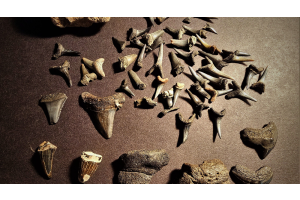
Exploring the past through fossils offers a unique glimpse into the life forms that once inhabited our planet. Among these ancient treasures, fish fossils hold a special place, revealing insights about aquatic ecosystems from millions of years ago. These preserved remnants offer a rare glimpse into prehistoric environments, revealing creatures that inhabited waters vastly different from those of today. This blog invites you to journey through time and discover why these fossils continue to captivate collectors, scientists, and enthusiasts alike.
Understanding the value of these ancient relics requires examining the conditions that enabled such detailed preservation and the stories these fossils tell about Earth's distant past.
The Story Behind Fossil Fish
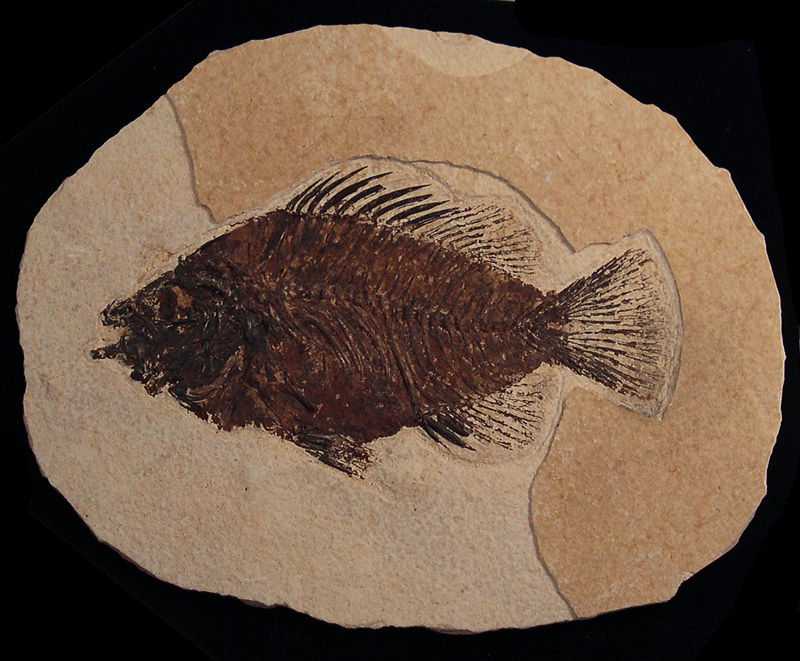
Fossil fish are remarkable for capturing moments frozen in stone. Unlike many other fossils that show only partial remains, some fossil fish display exquisite detail — entire bodies, scales, and fins are visible. These fossils represent species that lived hundreds of millions of years ago, providing vital clues to scientists studying evolution and ancient aquatic habitats.
From the smallest minnow-like creatures to larger predatory fish, these fossils reveal a variety of life forms that thrived long before humans walked the earth. Fossilized fish specimens serve as time capsules, allowing us to better understand biological changes and environmental shifts over the ages.
The Green River Formation: A Window into the Eocene Epoch
One of the most renowned locations for fish fossils is the Green River Formation, located primarily in Wyoming, Colorado, and Utah. This geological formation dates back approximately 50 million years to the Eocene Epoch—a period after the extinction of the dinosaurs when mammals and many modern species began to diversify.
The Green River Formation comprises ancient lake beds that once supported a diverse array of aquatic life. These lakes were large and deep, with calm waters that encouraged fine sediment to settle slowly. Over time, the sediment buried the fish in layers, preserving their delicate structures in stunning detail. Due to this unique environment, the formation is renowned for yielding some of the most well-preserved and beautiful fish fossils ever discovered.
What Makes Green River Fish Fossils Special?
The preservation quality of Green River Formation fish fossils results from the unique conditions of the ancient lakes. Fine sediments settled gently over the fish after they died, shielding them from scavengers and decay. In addition, the lakes’ low oxygen levels slowed decomposition, enabling soft tissues to remain intact in some cases.
This slow, peaceful burial process allowed even tiny features, such as individual scales and fin rays, to fossilize, creating specimens that resemble their original form almost exactly. The clarity and completeness of these fossils attract collectors and scientists who value both their beauty and historical importance.
Popular Species Found in These Fossils
Several species are commonly found in the Green River fish fossils, each representing a different ecological role in the ancient lakes.
● Knightia: These small, schooling fish are among the most abundant fossils from the Green River Formation. They resemble modern herring and often appear in groups, reflecting their social behavior in life.
● Diplomystus: A predatory fish known for its distinctive upward-tilted jaw and streamlined body. Fossils of Diplomystus often show it in hunting postures, sometimes even with prey preserved in its mouth.
● Priscacara: Recognizable by its deep, spiny fins and stout body, Priscacara was a bottom feeder, likely feeding on smaller aquatic organisms and plants.
Each of these species offers a snapshot of the ecosystem’s complexity, showing predator-prey relationships and niche diversity.
How Are Fish Fossils Collected and Preserved?
Extracting fish fossils from rock formations requires careful skill. Fossils are often found in thin layers of shale, which must be split precisely to reveal the fish without causing damage. Collectors use tools such as chisels, small hammers, and brushes to gradually expose the fossil.
Once extracted, fossils might undergo cleaning to remove remaining sediment. In some cases, a consolidant is applied to stabilize the fragile remains and prevent crumbling of large specimens. These preservation methods ensure that the fossils can be studied, displayed, or kept safely for years.
Fossil Collecting: An Engaging Hobby
Collecting fossils can be a rewarding activity that connects people with Earth’s distant past. Whether exploring local sites or purchasing specimens from reputable sources, fossil enthusiasts often develop a deeper appreciation for natural history through hands-on experience.
Learning about the origin of each fossil and the environment it represents adds meaning to the collection process. It also provides a chance to engage with science in a tactile and personal way. For many, the thrill of discovering or owning a well-preserved fossil is a gateway into broader geological and biological studies.
The Educational Value of Fossil Fish
Fossil fish are not only prized by collectors but also serve as excellent educational tools. Museums and classrooms use them to illustrate concepts such as evolutionary biology, extinction, and ancient ecosystems. Seeing a fossilized fish up close can inspire curiosity about the natural world and its changes over time.
Through these fossils, learners of all ages can gain insight into how species adapt, survive, or become extinct due to environmental factors. This tangible connection to history encourages stewardship of modern habitats and respect for biodiversity.
Bringing Fossil Fish History to Your Collection
Adding fish fossils to a personal collection offers more than decoration; it brings history into your living space. These fossils are natural artifacts that connect us to a long-gone world, evoking wonder and contemplation.
Display choices vary, from framed fossil slabs to standalone pieces in glass cases. Proper care—such as keeping fossils out of direct sunlight and in stable humidity—helps preserve their condition. Whether for display, study, or inspiration, fish fossils enrich any collection with a sense of timelessness.
Discover More About Ancient Fish Fossils Today
If you’re intrigued by the idea of owning a piece of prehistoric history, there are many opportunities to explore authentic fossil specimens. Learning about the formation process, species diversity, and preservation techniques can deepen your appreciation and help you make informed decisions when acquiring fossils.
Whether you seek to start a new collection or add to an existing one, trusted sources, and experts can guide you toward fossils that match your interests and budget.
Explore the ancient past and bring a piece of history into your life with these remarkable fossils.
For further information or to browse available specimens, connect with Buried Treasure Fossils today. Let us help you add a timeless treasure to your collection.