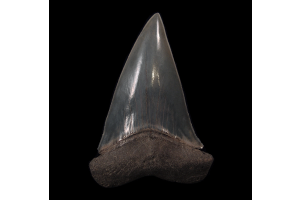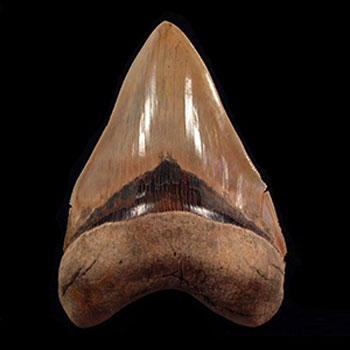
If you’ve been browsing fossil forums, scrolling through toothy treasures on niche marketplaces, or whispering excitedly at a fossil fair booth (we’ve all been there), you might’ve noticed something curious. While giant Megalodon teeth still steal the spotlight and the price tags to match, there’s a new obsession quietly taking hold among seasoned fossil collectors: the small ones. And no, this isn’t about settling for less — this is about getting closer to the untold story of a prehistoric giant in a whole new way.
We’re talking about the small Megalodon tooth that’s turning heads and starting hushed conversations between collectors who know a good thing when they see it. So what’s the deal? Why are these petite chompers suddenly the new darling of the Megalodon world? Let’s dig in.
Not Just a Shrunken Giant
At first glance, the fascination might seem puzzling. Megalodon, after all, is synonymous with big — the kind of jaw-dropping size that makes your palm feel insignificant holding one of its fossilized teeth. So why the buzz around specimens that measure in at less than two inches?
Small doesn’t mean insignificant. In fact, it means something much more intriguing. Many of these smaller teeth are believed to have belonged to juvenile Megalodons. That alone cracks open a window into a part of Megalodon life that is largely still a mystery — their nursery grounds, developmental stages, and perhaps even their hunting behaviors in youth.
Think of it like this: while massive teeth tell us how the adults ruled the ocean, these smaller teeth might be the breadcrumbs that lead us to the beginning of their reign.
It’s All About the Context
Here’s something that only passionate collectors and fossil purveyors understand on a visceral level — a fossil is more than a relic. It’s a timestamp, a location tag, and a biological record all in one.
A small Megalodon tooth found off the coast of South Carolina might carry different serration patterns, wear, or mineralization compared to one found near Sharktooth Hill in California. That variation doesn’t just make for a compelling display — it tells a story. One that’s informed by the sediment, the water chemistry, the tooth’s age, and even what kind of prey the young Megalodon might’ve tackled while sharpening those tiny serrations.
And let’s not ignore the fact that smaller teeth often survive in better condition. They’re less likely to suffer cracking, erosion, or restoration, which makes them highly desirable in their own right. Pristine edges, fully intact roots, and unique colorations make them art pieces as much as scientific specimens.
The Rise of Micro Collecting
Part of what’s fueling this surge in interest is a broader shift in fossil collecting. It’s not always about quantity or size anymore. The collector community is becoming more nuanced — we’ve noticed a desire for specificity, authenticity, and even intimacy in fossil collections.
That’s where the small Megalodon tooth shines.
These teeth are ideal for those building curated, story-driven displays. They’re more affordable, more plentiful (yet no less authentic), and often sourced from locations that are themselves part of fossil folklore. For newer collectors or younger enthusiasts, they serve as a gateway into the world of paleontology, bypassing the daunting barrier of five-digit price tags or fragile, high-maintenance specimens.
And for longtime hobbyists? They offer the thrill of the hunt. The joy of discovering a perfectly serrated little gem tucked away in a pile of marine matrix. It’s not just about showing off a 6-inch monster anymore — it’s about piecing together the whole Megalodon life cycle.
What We’re Seeing in the Market
We’ve kept a close eye on what collectors are after, and we’ve made it a point to meet that demand with fossils that are as real as it gets. From Georgia’s classic copper red hues to the creamy whites from Peru, our collection showcases small Megalodon teeth from every notable locality.
But here’s the kicker — these little teeth don’t stay in stock long.
We’ve seen a noticeable uptick in customers requesting curated assortments of smaller teeth. Some want them to fill shadow boxes, others are crafting educational kits for schools, and a few are even framing them alongside maps and location tags as home décor. The creativity is off the charts.
And the market isn’t blind to this trend. As demand grows, so does the value. What used to be passed over for flashier finds is now being scooped up fast, especially if the tooth comes with a certificate of authenticity, verified locality, and minimal wear.
Spotting the Gems in the Gravel
A question we often get from customers is, “How do I know if a small Megalodon tooth is a good find?”
Here’s what we tell them:
● Serration is everything. The cleaner the edge, the better. Look for sharpness, symmetry, and intact tips.
● Root structure matters. A full, undamaged root not only supports the tooth aesthetically but also adds to its historical value.
● Color tells a story. Teeth buried in different minerals and sediments will take on distinct colors. Vibrant blue-grays, deep rusts, and even jet blacks each have their own appeal.
● Location, location, location. A tooth from a rare or well-known site often holds greater collector value.
We help our buyers navigate these details because we know a well-informed collector is a happy one. And when someone spots a rare small Megalodon tooth with a rich backstory and perfect edges, it’s love at first fossil.
Why This Shift Matters to You
Whether you’re a seasoned enthusiast or someone looking to get their feet wet in fossil collecting, paying attention to trends like this can make your collection feel more personal — and more valuable over time.
Smaller teeth are more approachable. You’re not worrying about restoration, storage, or display logistics. They offer variety, they’re easier to acquire, and they’re anything but boring.
Each tiny tooth is a thread in a bigger prehistoric tapestry. It hints at the places these apex predators called home, the young lives they lived before becoming 60-foot sea monsters, and the ecosystems they grew up in. Owning one connects you to a chapter of natural history that’s just starting to be written.
We’re Proud to Lead the Way
As more collectors wake up to this trend, we’re proud to be the ones offering a diverse and authentic range of small Megalodon teeth from renowned fossil sites around the world. We source carefully, provide detailed locality information, and ensure every piece we sell — from the tiniest to the most massive — holds real value.
You’re not just buying fossils when you peruse our collection. You’re stepping into a global treasure hunt millions of years in the making. And whether you’re buying your first small Megalodon tooth or adding a rare juvenile find to your display, we’re here to help you uncover the extraordinary hiding in the not-so-obvious.
In Conclusion: Why Smaller is Smarter
The secret’s out — the small Megalodon tooth is no longer the underdog. It’s becoming the signature piece in modern fossil collections, and for good reason. These teeth offer insight, charm, and collectability without the overwhelming footprint. They’re fascinating, affordable, and full of untold stories.
If you’ve been focusing only on size, it might be time to shift your perspective. Sometimes, the biggest discoveries come in small, serrated packages. And we’ve got just the selection to prove it.
Ready to dig into the hidden world of small Megalodon teeth? You’re already halfway there.