

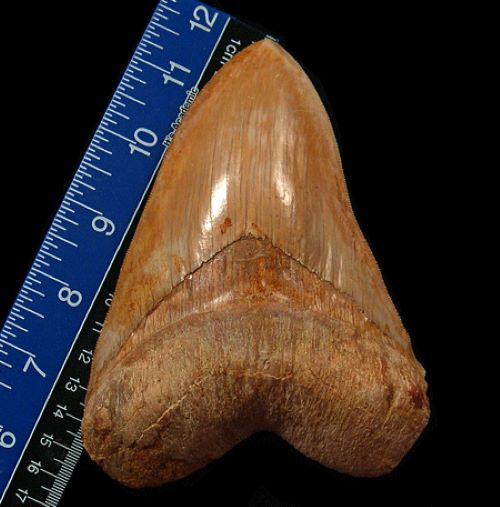
Imagine holding a fossilized weapon from a predator that could bite a whale in half. That’s the kind of thrill Megalodon teeth offer—especially once you start noticing the dramatic differences in size from one specimen to the next. Whether you’re deep into collecting or just getting your feet wet, understanding the full Megalodon tooth size spectrum opens up a fascinating world of paleontology and investment-worthy fossils.
Before we explore how big a Megalodon tooth gets, let’s talk about why the size of these teeth is more than just a number.
Why Size Isn’t Just for Show
Sure, size draws the eye—but it also tells a story. From the age and position of the tooth in the jaw to the conditions of fossilization, every inch (or fraction of one) adds context. A smaller tooth may come from a juvenile or a spot further back in the mouth. A larger one? That could’ve been part of the front row in a jaw that stretched wider than a school bus.
Collectors don’t just look at size—they look at significance. That’s what makes understanding the Megalodon tooth size range such a crucial part of building a meaningful collection.
Let’s Break Down the Size Spectrum
Small (2 to 3 inches)
These are often the gateway fossils for budding collectors. They’re more readily available, budget-friendly, and ideal for educational use. Don’t be fooled by their size—these smaller specimens can still show remarkable preservation, with serrations and root textures that reveal a tooth’s prehistoric journey.
Mid-Range (3 to 5 inches)
This is the sweet spot. These teeth strike the perfect balance between affordability and visual impact. At this size, you’re getting a specimen that genuinely reflects the Megalodon tooth size we associate with apex predation, without diving into museum-only pricing.
Large (5 to 6 inches)
Now we’re getting serious. These are statement pieces. They’re rarer, usually sourced from prime fossil grounds, and often command more attention (and a higher price tag). Many seasoned collectors aim to land a pristine tooth in this range.
Extra Large (6 to 7+ inches)
So, how big can a Megalodon tooth get? The largest verified teeth measure just over 7 inches, with a handful brushing the edge of 7.5 inches. These teeth are the holy grail—few and far between, often held in private collections or museums. If you’re lucky enough to snag one, you’re not just collecting—you’re curating.
What Affects the Size of a Megalodon Tooth?
There’s no one-size-fits-all when it comes to these prehistoric marvels. Here’s what can influence the dimensions:
● Jaw Position: Front teeth were broader and taller, while those farther back in the jaw were smaller and narrower.
● Shark’s Age: Juvenile Megalodons naturally had smaller teeth, even if they were still the size of your hand.
● Species Variation: Evolution and regional differences created some Megalodons with slightly different proportions.
● Fossilization Environment: Mineral content, pressure, and sediment type all affect how well the tooth is preserved—and even how thick it appears.
Two teeth of the same length might look entirely different in mass, shape, or color.
The Collector’s Perspective: Why Size Matters
Size does more than affect bragging rights. For collectors, it can determine the rarity, value, and display potential of a fossil.
● Smaller teeth are great for beginners or for trade.
● Mid-sized teeth can form the core of a personal or teaching collection.
● Larger teeth often become focal points in displays or investment pieces.
Owning a range across the Megalodon tooth size spectrum can actually increase the overall value and appeal of your collection. It tells a story, shows growth, and demonstrates the diversity of this prehistoric predator’s arsenal.
Common Mistakes to Avoid When Buying by Size
While it’s tempting to go big or go home, caution is key:
● Don’t choose size over condition. A cracked or heavily restored 6.9-inch tooth might be less valuable than a flawless 5.2-inch.
● Know your sources. Bigger teeth attract more fakes. Always purchase from reputable dealers who can verify the authenticity of the item.
● Be wary of restoration. Some larger specimens are rebuilt or filled. These can still be great—but the price should reflect the restoration.
How We Help You Build a Meaningful Collection
We understand that no two collectors are alike. Some are chasing that once-in-a-lifetime 7-inch showpiece. Others are building educational kits or slowly growing a gallery of fossils from different regions and sizes.
That’s why our selection spans the entire size range—from the modest to the majestic. Every specimen we offer is carefully evaluated for authenticity, condition, and provenance. And because we’re collectors ourselves, we get what makes a Meg tooth feel like treasure. Whether you’re browsing for your first fossil or upgrading your collection with a rare beauty, we’re here to guide you.
Final Bite: So, How Big Can a Megalodon Tooth Get?
We’ll say it again—how big can a Megalodon tooth get? Just over seven inches, in some astonishing cases. But whether your tooth is two inches or seven, it holds millions of years of history in your hands.
The Megalodon tooth size spectrum is more than a scale—it’s a journey. One that reveals how enormous, diverse, and fascinating this prehistoric shark really was. From the classroom to the collector’s shelf, these teeth inspire awe, wonder, and a serious appreciation for deep time.
So, go ahead and explore the spectrum. Chase that seven-incher, sure. But don’t overlook the smaller finds—they may be petite, but they carry just as much bite.






