

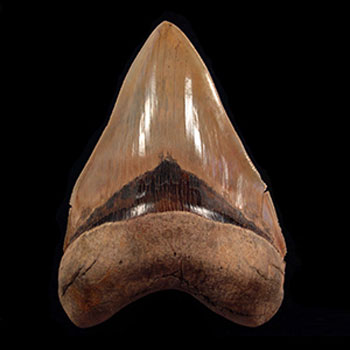
Imagine walking into a classroom holding a fossil that predates human history by millions of years. Not a replica from the gift shop, not a glossy picture in a textbook, but the real thing. The look on your students’ faces would shift from polite interest to jaw-dropping fascination. That’s the magic of bringing prehistory alive with something as tangible as a small megalodon tooth.
Why Prehistory Feels Slippery in a Classroom
Prehistory is often treated as a string of names and timelines. Miocene here, Pliocene there, and before long, students are lost in a fog of abstract details. It feels too far removed from their own lives.
That’s where fossils come to the rescue. They anchor all that abstraction to something real. Holding a megalodon tooth tells a richer story than any chart or slideshow could. The serrated edges alone can spark discussions about predation, marine ecosystems, and the immense scale of ocean giants. Instead of memorizing a list of extinct creatures, students suddenly feel the presence of one.
Touch Unlocks Curiosity
We often discuss hands-on learning, but fossils deliver it in a way that textbooks can never match. When a student runs their finger along the edge of a tooth that once belonged to a 60-foot shark, they aren’t just listening. They’re experiencing.
Tactile learning boosts memory. It sparks different parts of the brain and encourages deeper engagement. A fossil has weight, texture, and color. All of these sensory cues help students recall the lesson later. In short, a fossil is not just an object; it’s a memory device with teeth—quite literally.
Why Smaller Fossils Work Best in Schools
Yes, there are monstrous specimens out there—six or seven inches long, fit for museums or high-end collections. They’re spectacular but not always practical. A small megalodon tooth works better for educators because it’s accessible, affordable, and easier to pass around without fear of catastrophic damage.
Smaller doesn’t mean less impressive. In fact, it can be even more relatable. Students might wonder if the tooth came from a juvenile shark, which opens discussions about growth and development. Or they might notice how wear and fossilization vary across specimens, leading to conversations about preservation. These “small” questions often spark the biggest curiosity.
How a Tooth Becomes a Story
Fossils are powerful storytelling tools. Imagine starting a lesson like this: “Before there were humans, before pyramids, before the first cities, there was a shark big enough to swallow a whale whole. And this is one of its teeth.”
That one line hooks students instantly. From there, you can weave in marine biology, paleontology, geology, and even climate science. You aren’t just relaying facts; you’re guiding your students through an epic narrative of Earth’s history.
And storytelling isn’t fluff. It’s the difference between information that passes by and information that sticks. A fossilized tooth becomes a plot device in the larger story of life on Earth.
A Fossil Is a Question Waiting to Be Asked
Every fossil sparks wonder. A small megalodon tooth invites questions like:
● Why are some fossils darker than others?
● How does mineralization actually preserve a tooth for millions of years?
● What does the location of the find tell us about ancient oceans?
Questions like these encourage critical thinking. They also give students permission to connect dots across subjects, including biology, chemistry, geography, and even physics. Suddenly, a tooth becomes more than a teaching aid—it’s a conversation starter.
Where These Fossils Come From
Megalodon teeth aren’t confined to one corner of the globe. They’ve been unearthed in places like Florida, South Carolina, Peru, and Indonesia. This wide distribution offers another layer of teaching opportunity: geography. By tracing the locations where fossils are found, students can visualize how the oceans once stretched differently across the planet.
Because sharks constantly shed teeth throughout their lives, countless specimens entered the fossil record. That abundance means authentic fossils are accessible enough to reach classrooms, not just private collections.
Authenticity Makes the Lesson Real
Let’s be honest—students can spot a fake. Resin replicas may serve as substitutes, but they lack the gravitas of something genuinely ancient. If you want that wide-eyed awe, authenticity matters.
That’s why educators trust sellers who specialize in fossils. We ensure that what you’re holding is the real thing, mineralized through natural processes over millions of years. No shortcuts, no imitations, just genuine relics from Earth’s prehistory.
Making Science Personal
The hardest part about teaching science is convincing students that it matters to them personally. A fossil does this effortlessly. The moment a student holds one, the lesson stops being about distant epochs and starts being about them—what they’re touching, what they’re imagining, what they’re connecting.
We’ve seen fossils inspire kids who never considered themselves “science people.” They lean in, ask more, and carry that spark beyond the classroom. A fossil doesn’t just teach—it ignites.
Why We Champion Educators
We know how challenging it is to capture attention in today’s classrooms. That’s why we love working with teachers who use fossils to shake things up. A small megalodon tooth is an affordable, authentic way to elevate lessons from good to unforgettable.
Our collection includes everything from high-grade museum pieces to classroom-friendly specimens. That means you can choose what works best for your setting—whether you need something durable for repeated handling or a showpiece to anchor a display.
Prehistory Becomes Portable
The beauty of smaller fossils is that they go where you go. Bring them to science fairs, after-school programs, or public talks. Slip them into a teaching kit for traveling lessons. They’re durable enough to be shared and compact enough to be practical.
A small specimen doesn’t just represent the past—it becomes part of your teaching future.
Conclusion
Teaching prehistory is about more than reciting timelines. It’s about making ancient life vivid, relatable, and unforgettable. A small megalodon tooth may look modest, but it has the power to transform how students see science. It piques interest in ways that words alone cannot by bridging the gap between tactile reality and academic theory.
At Buried Treasure Fossils, we’re proud to supply educators with authentic specimens that bring lessons to life. Whether you’re building a display or passing fossils around your classroom, we make sure you have access to fossils that are genuine, affordable, and awe-inspiring. Because when your students hold prehistory in their hands, you’re not just teaching them—you’re inspiring them.






