There’s something magical about holding a piece of prehistory in your hands. Whether you’re a science educator or an after-school program leader, introducing kids to the world of fossils sparks curiosity that lasts a lifetime. When discussing prehistoric marine life, few topics excite students more than the mighty Megalodon—the largest shark to have ever lived. Learning how to tell if a megalodon tooth is real gives children a fascinating, hands-on way to explore paleontology, geology, and critical thinking all at once. Even better, it’s a perfect opportunity to teach the importance of evidence-based discovery and scientific observation.
At Buried Treasure Fossils, we share that same passion for connecting people—especially young learners—to the wonders of ancient life. As experts in authentic fossils, we know that understanding what makes a Megalodon tooth genuine can turn an ordinary science lesson into an unforgettable experience.
Why Megalodon Teeth Capture Every Imagination
The Megalodon, whose name means “big tooth,” ruled the oceans roughly 23 to 3.6 million years ago. These massive sharks could reach lengths over 50 feet and boasted teeth as large as a human hand. It’s no wonder that children (and adults) are drawn to their fossils—each tooth tells a story from a time when ancient seas teemed with colossal predators.
But not all Megalodon teeth found online or in markets are real. That’s why teaching kids how to tell if a megalodon tooth is real not only deepens their knowledge of science but also trains them to think critically—an essential skill for any budding scientist.
Step 1: Observing Surface Texture
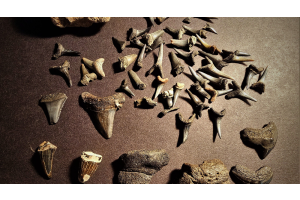
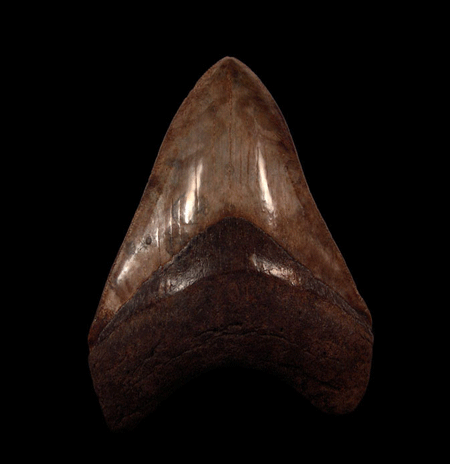
Embark on an exciting classroom adventure by exploring the fascinating surface texture of real Megalodon teeth! These incredible treasures from the deep past have a captivating, aged appearance that truly sparks the imagination. As you examine them, you'll discover their subtly pitted or rugged features, shaped by millions of years of fossilization. With a keen eye, you can appreciate the unique imperfections—tiny cracks, delicate mineral streaks, and uneven color patches—each telling a remarkable story of their ancient origins. This is a wonderful opportunity to connect with a world that feels distant yet alive, igniting curiosity and wonder in every student. Let’s dive in and uncover the mysteries together!
Encourage children to compare genuine fossils (from reputable sources like us) with replicas or “tourist shop” versions. Fake teeth often appear too shiny or smooth, lacking the natural texture of a fossil that has weathered eons beneath sediment. Using magnifying lenses can help kids identify these subtle differences, turning the activity into a mini science experiment.
Step 2: Weighing the Evidence—Literally
Next, introduce the concept of density. Authentic fossils are heavier than modern shark teeth because they’ve undergone mineral replacement. Over millions of years, organic material is replaced by minerals such as calcite or silica, increasing weight and density. This transformation—called permineralization—can be explained to students as nature’s way of “turning bone into stone.”
Introduce children to the captivating realm of paleontology with an engaging hands-on activity that features a simple balance scale and a variety of authentic and replica teeth. Spark their curiosity by encouraging them to guess which tooth might weigh more. Once they’ve made their predictions, invite them to put their theories to the test! This interactive adventure not only brings the wonders of the ancient world to life but also empowers young explorers to confidently dive into scientific inquiry and experimentation. Let’s inspire their love for science together!
Step 3: Examining the Root and Serrations
A Megalodon tooth’s structure can also reveal its authenticity. Real fossils typically show a well-defined root with small pits called nutrient foramina—tiny holes where blood vessels once connected the tooth to the jaw. The blade of the tooth should display serrations—saw-like edges that helped this giant predator slice through prey.
Ask students to run their fingers carefully along the edge. Explain that while some serrations may have worn down through time, their presence (even faintly) points toward authenticity. Replicas often lack these fine details or feature uniform, machine-made edges that look too perfect to be natural.
Step 4: Spotting Signs of Fossilization
Real Megalodon teeth showcase beautiful color variations due to the minerals in the soil where they were buried. Some are jet black from iron-rich sediments; others shimmer with shades of gray, tan, or even blue. Encourage kids to note these natural patterns and compare them with painted or dyed replicas. This part of the activity can open a discussion about geology—how minerals and environmental conditions influence the fossilization process.
You can also teach them to look for traces of the original matrix—the sedimentary rock that surrounded the fossil. These remnants, often clinging to the root or base, tell scientists where and how the tooth was preserved.
Step 5: The Role of Expert Verification
Even seasoned collectors sometimes need professional help verifying authenticity. This presents another educational opportunity: demonstrating that real science often requires collaboration. Paleontologists, fossil dealers, and collectors use expertise and tools like microscopes or X-ray analysis to confirm a specimen’s origin.
At Buried Treasure Fossils, authenticity is our top priority. Every specimen we offer—whether it’s a Megalodon tooth, dinosaur claw, or ammonite—comes from legally collected sources and undergoes careful verification. For educators, this means peace of mind when using fossils as teaching tools. When children handle genuine pieces of Earth’s history, their curiosity grows exponentially.
Teaching Science Through Discovery
Understanding how to tell if megalodon tooth is real goes beyond identifying authenticity—it’s about nurturing a scientific mindset. This activity allows students to practice observation, hypothesis testing, and analysis—the same steps real scientists take when studying ancient life.
Educators can integrate these lessons into broader topics like:
● Geology and Time: Understanding sediment layers and fossil formation.
● Biology and Evolution: Learning how Megalodon adapted to its environment and why it eventually went extinct.
● Critical Thinking: Evaluating evidence and distinguishing fact from fiction.
After-school programs and classrooms can also pair fossil activities with creative projects. For instance, kids might sketch what they imagine Megalodon looked like based on its tooth, reinforcing how scientists reconstruct prehistoric life using fossil evidence.
Connecting Hands-On Learning with Real Fossils
When students see a genuine fossil tooth up close—its weight, color, and texture—they connect deeply with Earth’s history. It’s no longer an abstract idea but a tangible story from millions of years ago. We’ve seen firsthand how holding an authentic Megalodon tooth can transform a child’s understanding of science from curiosity into passion.
Our collection at Buried Treasure Fossils includes teeth from various locations, sizes, and geological layers, giving educators options to build diverse fossil study sets. With our authenticity guarantee, you can confidently bring real fossils into your educational environment, knowing they’re verified and legally sourced.
Keeping Discovery Exciting and Accessible
One of our core missions is to make fossil collecting approachable. Authentic Megalodon teeth and other fossils don’t have to be museum-exclusive treasures—they can be part of classrooms, science camps, and after-school explorations. By offering fossils across a range of prices, we ensure that both beginners and serious collectors can participate in the thrill of discovery.
When teaching children, emphasize that real science doesn’t always mean expensive equipment—it begins with curiosity, observation, and reliable resources. That’s why we’re passionate about sharing authentic fossils: they make history touchable and learning unforgettable.
Inspiring the Next Generation of Fossil Hunters
Kids today are the future paleontologists, scientists, and conservationists who will continue exploring our planet’s story. By teaching them how to examine fossils thoughtfully, you’re equipping them with skills in reasoning, observation, and appreciation for natural history. More importantly, you’re encouraging them to approach discovery with integrity—valuing truth and authenticity over appearances.
Encourage young learners to ask questions: Where was this fossil found? What can it tell us about ancient oceans? Why is authenticity important? These discussions nurture analytical thinking and foster a lifelong love of science.
Conclusion: Where Curiosity Meets Authenticity
Teaching kids how to tell if a megalodon tooth is real is more than a fossil-identification lesson—it’s a doorway into the thrilling world of scientific exploration. Through observation, experimentation, and hands-on learning, children discover not just the secrets of ancient sharks but the very process of how science works.
At Buried Treasure Fossils, we’re proud to support educators and collectors who want to inspire curiosity through genuine fossils. When you choose our verified specimens, you’re not just buying a piece of prehistory—you’re investing in authentic educational experiences that ignite imagination and deepen understanding.
Bring real discovery to your classroom or program today. Explore our collection and let students experience the awe of holding a true piece of the prehistoric world.