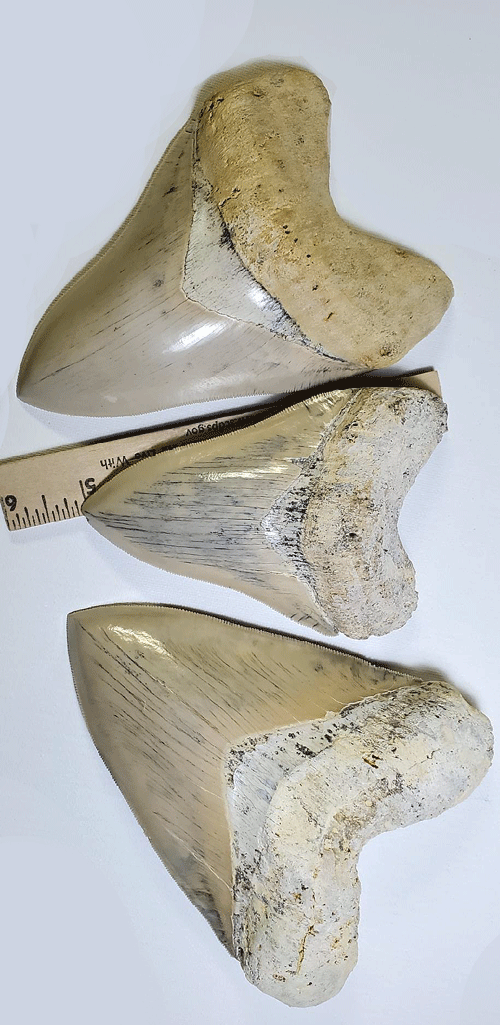
Have you ever come across a fossil online or at a store and thought, “Is this real?” If you’ve been thinking of buying a megalodon tooth fossil, that question is even more important. With their massive size and prehistoric charm, these shark teeth are some of the most fascinating fossils on the market today.
But here’s the truth: many are not real. So how do you know if the megalodon tooth fossil you’re eyeing is the real thing? In this blog, we’ll walk through easy, practical ways to tell the difference between an authentic fossil and a fake.
Let’s begin by understanding why these fossils are so special and valuable.
Why So Many People Want a Megalodon Tooth?
The megalodon tooth fossil is more than just a collector’s item. It’s a piece of prehistoric history. Megalodons were enormous sharks, believed to grow up to 60 feet long. Their teeth, often larger than a human hand, are the only parts of their bodies that fossilized well.
Owning one means holding a piece of Earth’s past. These fossils can be millions of years old and can be worth hundreds or even thousands of dollars. Because of this, the demand has gone up, and sadly, so have the number of fakes on the market.
Now that you know why they matter so much, let’s look at how to check if what you’re seeing is real.
Look at the Edges: Serrations Tell a Story
One of the first things to notice on a megalodon tooth fossil is the serration along its edges. These tiny ridges helped the megalodon cut through prey. On a real tooth, the serrations are often worn down or slightly chipped.
If you see a tooth with perfect, machine-like serrations, that’s a warning sign. Real fossils have lived through time. They show signs of wear and tear. Each edge should look just a bit different. That’s a good thing.
Next, let’s talk about something just as important: the color of the fossil.
Color Isn’t Just for Looks
When you see a megalodon tooth fossil, pay close attention to the color. Real fossils come in many shades, gray, black, brown, or even blue. These colors come from minerals in the ground where the tooth was buried for millions of years.
What you don’t want to see is a fossil that looks like it’s been painted. If the color appears flat, too shiny, or rubs off easily, it might be fake. Real fossil colors look deep and natural. They blend smoothly and don’t have perfect lines or patterns.
But there’s another test that’s often overlooked, how the tooth feels in your hand.
Feel the Tooth: Texture and Weight Matter
When you hold a real megalodon tooth fossil, it should feel heavy. Fossils become denser over time as minerals replace organic material. This gives them a solid, weighty feel. If the tooth feels too light for its size, it may be a replica made of resin or plastic.
Also, check the texture. A real tooth will have natural imperfections. It should not feel smooth like glass. Instead, it may feel slightly rough in some spots and smoother in others. This uneven texture is normal and often means the fossil is genuine.
Now that you know what to feel for, let’s take a closer look at the surface.
Check the Enamel: Gloss vs. Glow
The enamel is the outer part of the megalodon tooth fossil. It should look slightly glossy but not overly shiny. Over time, weather and mineralization create small scratches and dull patches.
Many fake teeth are covered in a shiny coating to make them look new. But that polished look doesn’t match what real fossils go through in nature. You want to see a surface that reflects both shine and wear.
Feeling more confident yet? Let’s keep going and talk about how to learn more about where the fossil came from.
Every Fossil Has a Backstory
When buying a megalodon tooth fossil, always ask where it came from. This is known as provenance. A good seller should be able to tell you the location it was found and even provide documentation.
If a seller refuses to share any history or only gives vague answers, that’s a red flag. A real fossil should come with a real story. This not only helps confirm it’s genuine but also adds value to your collection.
But even with a story, you’ll want to inspect the fossil carefully.
Watch Out for Repairs and Restorations
Sometimes, a megalodon tooth fossil might be real, but has been repaired. This means part of the tooth was broken and filled in with man-made material. Repairs aren’t always bad, but they should always be disclosed.
Look closely at the edges and the base of the tooth. If part of it looks too perfect, it might be restored. You may notice changes in texture or slight color differences between areas. These are signs of repair.
Ready for one more way to check if the tooth is genuine? It’s all about the size.
Bigger Doesn’t Always Mean Better
It’s easy to assume that a larger megalodon tooth fossil is more likely to be real. But that’s not always true. Some fakes are made extra large to look impressive. In truth, most real teeth fall between 3 to 5 inches long.
Authentic larger specimens do exist, but they’re rare and often very expensive. If you find a 6-inch tooth at a very low price, be careful. Look for signs of wear, natural mineral color, and texture before making a decision.
Now, let’s focus on one of the best ways to protect yourself from fakes.
Only Buy from Trusted Sellers
One of the smartest things you can do is buy your megalodon tooth fossil from a trusted fossil dealer. Reputable sellers are open about where their fossils come from, and they provide clear photos, detailed information, and return policies.
Avoid sellers who rush you, offer super low prices, or refuse to answer your questions. A good seller wants you to be happy with your purchase. Don’t be afraid to ask questions. If you're buying online, request multiple angles and close-ups of the tooth.
Before we finish, here’s one more cool tip you can try at home.
Try the UV Light Trick
Here’s a fun fact: many fake fossils glow under UV light. A real megalodon tooth fossil usually does not. If you have a UV flashlight, try shining it on the tooth in a dark room.
This isn’t a perfect test, but it’s another tool that helps you feel more confident. If the fossil glows with bright or strange colors, it could be made with modern materials.
Let’s finish with a quick summary and a few calls to action.
Recap: How to Spot a Real Megalodon Tooth Fossil?
By now, you’ve learned many simple and helpful ways to tell if a megalodon tooth fossil is real:
● Look for uneven serrations
● Check for natural, blended color
● Feel the weight and texture
● Examine the enamel for signs of age
● Ask for its history and origin
● Watch for signs of repair
● Be careful with large or perfect-looking teeth
● Only buy from trusted sellers
● Use a UV light for a final check
When you follow these steps, you give yourself the best chance of owning a true piece of prehistoric history.
Want the Real Thing? Don’t Settle for Less
If you’re looking to buy a megalodon tooth fossil, make sure it’s the real deal. Trusted dealers like Buried Treasure Fossils offer fully documented, authentic fossils with guaranteed quality.