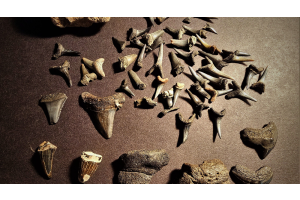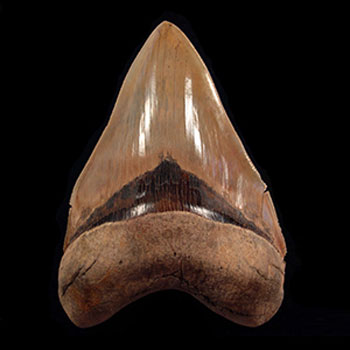
Ever imagined holding a piece of history so ancient it predates mammoths, saber-toothed cats, and even humans? That’s exactly what a baby megalodon tooth offers: a rare, fossilized glimpse into the life of one of the most feared and fascinating creatures to have ever ruled Earth’s oceans. While we often hear about enormous adult Megalodon teeth, the smaller, rarer juvenile versions tell an equally thrilling story, one that's just beginning to capture the imagination of fossil hunters and collectors alike.
Get ready to dive deep into the prehistoric past, where even “baby sharks” weren’t so baby after all!
What Makes a Baby Megalodon Tooth So Special?
We know the adult Megalodon could grow up to 60 feet long, with teeth as big as your hand. But finding a baby megalodon tooth is like discovering a childhood photo of a sea monster — adorable (relatively), rare, and scientifically valuable.
These teeth, typically under 2 inches long, belonged to juvenile Megalodons, likely under 20 feet in length. Unlike their adult counterparts, these young sharks lived in nursery areas, safe, shallow waters where they could grow without the constant threat of larger predators. Scientists believe these nursery sites are the key to understanding how Megalodons lived, grew, and possibly even went extinct.
Every fossilized baby tooth unlocks a new part of the Megalodon’s secret past, and that makes it priceless in more ways than one.
A Glimpse into a Prehistoric Nursery
Most baby megalodon tooth discoveries come from what paleontologists call "nursery sites", shallow marine areas with an unusually high number of juvenile shark teeth. One such site off the coast of Panama has made headlines for its rich collection of these smaller fossils.
Finding these teeth in clusters suggests that ancient Megalodons, like many modern sharks, raised their young in protected areas. This behavior helps scientists draw connections between extinct giants and the sharks of today.
The fossil record is rarely this generous in providing behavioral clues, so these sites are absolute gold mines for shark researchers and fossil enthusiasts alike.
Small Tooth, Big Science
While it might be tempting to compare a baby megalodon tooth to a regular shark tooth, the difference goes beyond just size. These teeth provide clues about early development, feeding habits, and even the lifespan of Megalodons.
Scientists have discovered that juvenile teeth still have the signature serrated edges, just like adults. That means even the baby Megs were born ready to hunt, likely fish, rays, and small marine mammals. Nature wastes no time when it comes to survival!
So next time you spot one of these little fossils, remember: it belonged to a “baby” that was still bigger than most full-grown sharks today.
Why Collectors Go Wild for Baby Meg Teeth?
Let’s be honest: collecting fossils is part science, part treasure hunting, and part bragging rights. While a giant 6-inch tooth will always draw gasps, a baby megalodon tooth can steal the spotlight, especially because it’s much harder to find.
Collectors know that rarity often trumps size. Baby Meg teeth are rarely found in excellent condition, which makes pristine specimens a hot commodity. Their delicate structure, smaller size, and exposure to environmental wear over millions of years mean that finding one with sharp serrations and an intact root is something special.
And who doesn’t love having a “baby” version of a 60-foot apex predator on their shelf?
How to Spot a Real One?
If you’re in the market for a baby megalodon tooth, you’ll want to make sure you’re getting the real deal. Unfortunately, the rarity of these fossils makes them a target for fakes and mislabeling.
Authentic baby Meg teeth have certain features:
● Triangular shape with fine serrations
● Root structure proportionally smaller but similar to adult Megs
● Serrations that run down both sides of the tooth
● Often found in locations like North Carolina, South Carolina, and parts of South America
When in doubt, buy from a reputable fossil dealer or get the fossil authenticated by an expert.
Better safe than accidentally buying a modern mako tooth labeled “prehistoric!”
Educational and Scientific Value
A baby megalodon tooth isn’t just a cool collectible; it’s a powerful teaching tool. Teachers, museum curators, and scientists use these fossils to explain evolution, extinction, and even climate change.
Because sharks constantly shed teeth throughout their lives, there’s a good chance every baby Meg lost hundreds of them during its juvenile years. These teeth, when found and studied, provide a timeline of growth, health, and ecological conditions from millions of years ago.
That’s a lot of information packed into something smaller than a thumb.
The Megalodon’s Mysterious Disappearance
We still don’t know exactly why Megalodons went extinct, but climate change, shifting prey populations, and competition from other predators like the great white shark may have played a role. Studying the baby megalodon tooth gives scientists critical data about how their population changed over time.
Were there fewer babies before the extinction? Did nursery sites disappear? Questions like these help researchers piece together the final chapter of one of the ocean’s most iconic predators.
And the more fossils we find, especially juvenile ones, the closer we get to an answer.
Tips for Aspiring Fossil Hunters
Want to find your own baby megalodon tooth? It’s not impossible! Many amateur fossil hunters have had luck along riverbanks and coastal areas in states like Florida and the Carolinas.
Here are a few tips:
1. Do your research on known fossil hotspots.
2. Use a sifter or sand scoop for shoreline searching.
3. Look for tooth-like shapes with triangular patterns and edges.
4. Be patient, sometimes it takes hours or even days to find one.
And hey, even if you don’t find one, fossil hunting is still an awesome excuse to get outside and play paleontologist for the day.
Megalodon Mania: Pop Culture’s Favorite Shark
Thanks to blockbuster movies and viral shark content, Megalodons are bigger stars now than they were when they swam the seas. But few people know that the baby megalodon tooth is the real star behind the science.
TV shows and documentaries often showcase adult Meg teeth, but there's growing interest in how these terrifying creatures started their lives. From educational YouTube channels to museum exhibits, baby Megs are getting their moment in the spotlight.
Who knew a little tooth could make such a big splash?
Final Thoughts: Tiny Tooth, Massive Mystery
In the fossil world, big doesn’t always mean better. The baby megalodon tooth is a perfect example of how something small can carry enormous scientific and historical value.
These tiny teeth help us understand how one of the ocean’s most legendary predators lived, hunted, and disappeared. They connect us to a world that existed millions of years ago, a world full of danger, mystery, and awe.
So whether you’re a curious beginner, a serious collector, or just a fan of shark lore, don’t overlook the baby Megs. Sometimes, it’s the little things that tell the biggest stories.
Ready to Find or Buy One?
Now that you know what makes a baby megalodon tooth so rare and fascinating, maybe it’s time to add one to your collection. Check out trusted fossil dealers, or better yet, go hunting and discover one yourself.
Because nothing beats the thrill of unearthing a fossil from a creature that once ruled the seas.
Happy hunting, fellow fossil fan!