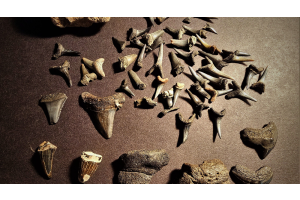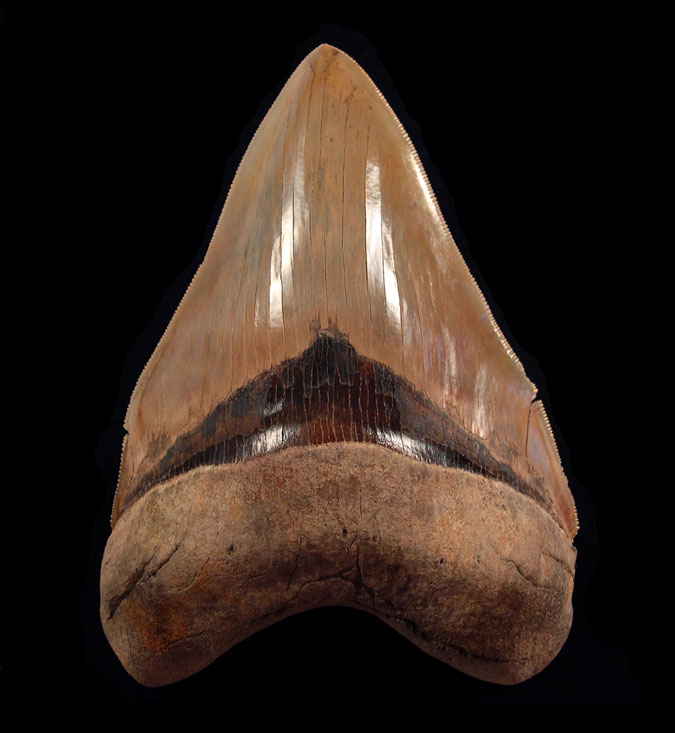
Fossil collecting is more than just a hobby. It’s a way to connect with Earth’s past and learn how life evolved over millions of years. Among all the fossils out there, few can match the excitement and scientific value of a tooth from the Otodus megalodon.
These teeth are some of the most stunning and sought-after marine fossils in the world. They come from a time when the oceans were ruled by one of the largest predators to ever live, the mighty Otodus megalodon. Let’s take a closer look at why this fossil stands out and why collectors and scientists admire it so much.
What Is the Otodus Megalodon?
The Otodus megalodon was a prehistoric shark that lived between 23 and 3.6 million years ago. It is believed to have grown up to 60 feet long. That’s about the size of a school bus. This massive shark was the top predator in the ocean and had no rivals.
Its teeth were huge, sharp, and designed to tear through whale bones. These teeth could grow over 7 inches long, and many of them still survive today in the fossil record. One of the best places to find these fossils is at a site called Sharktooth Hill.
This location has produced some of the most beautiful examples of Otodus megalodon teeth, with many showing excellent preservation, sharp serrations, and strong roots.
Why Sharktooth Hill Is So Famous?
Sharktooth Hill is located in central California, near the town of Bakersfield. This area is one of the most famous fossil sites in North America. The hill is part of the Temblor Formation and contains marine fossils that are over 15 million years old.
Unlike other fossil sites where shark teeth are found randomly, Sharktooth Hill has thick fossil beds filled with marine life, including rays, fish, whales, and, of course, the mighty megalodon. The preservation here is excellent because the ancient sea sediments covered the remains quickly, protecting them from decay and damage.
If you’re lucky enough to own a tooth from the Otodus megalodon, then you have a fossil that represents both natural beauty and scientific importance.
What Makes These Fossils So Valuable?
Not all megalodon teeth are the same. Teeth found at Sharktooth Hill are known for their strong enamel, deep colors, and defined serrations. These features make them more desirable than teeth found at other sites.
Each Otodus megalodon shark tooth from Sharktooth Hill also tells a story. The color of the tooth, for example, depends on the minerals in the soil where it was buried. Browns, blacks, and oranges are common. The condition of the root, the sharpness of the edges, and the overall shape all give clues about the shark’s age and health when it was alive.
Collectors look for teeth that are complete, meaning they still have their roots and tips. The rarer the features, the more valuable the fossil becomes. But even a worn tooth still holds great value for learning and display.
How to Know If a Tooth Is Real?
Because fossil shark teeth are so popular, it’s essential to know how to tell a real one from a fake. Genuine Otodus megalodon shark teeth from Sharktooth Hill typically exhibit minor signs of age, such as surface cracks, mineral deposits, and color changes. They are often heavier than fakes due to the minerals that have replaced the original material.
When buying a tooth, ensure the seller can provide information on its origin and collection method. Trusted fossil dealers will provide this information clearly. You should also look for sellers who offer close-up photos and who have good reviews from other buyers.
Knowing the source of your fossil adds to its scientific and personal value.
How to Display and Care for Your Fossil Tooth?
Once you’ve added a fossil like the Otodus megalodon tooth to your collection, you’ll want to take good care of it. These fossils are tough, but they’re still millions of years old and can be damaged by light, moisture, or rough handling.
Keep your fossil in a dry place and out of direct sunlight. A simple display case or stand will keep it safe and show it off nicely. If it collects dust, use a soft brush or dry cloth to clean it gently. Avoid using water or cleaning sprays.
Proper care will help your fossil last for many more years and keep it looking great.
Why Collectors Love Otodus Megalodon Teeth?
Fossil collectors are drawn to megalodon teeth for many reasons. Some love the size and power they represent. Others are interested in science and history. A tooth from the Otodus megalodon - Sharktooth Hill offers both beauty and knowledge in one incredible fossil.
These fossils are often centerpieces in private collections, and they make great conversation starters. Many museums around the world also showcase them to help visitors understand the oceans of the past.
Whether you’re a beginner or an experienced fossil hunter, adding one of these teeth to your collection can be both exciting and meaningful.
The Science Behind the Tooth
Beyond their looks, these teeth have helped scientists learn more about how sharks evolved. The shape of the tooth, for example, shows that the megalodon was a powerful predator that fed mostly on whales and large fish.
By comparing fossil teeth from different places, researchers can track how the species changed over time. Teeth from the Otodus megalodon site are crucial because they often come with other fossils that provide valuable insights into the ancient environment.
Every tooth gives us a small piece of a much bigger puzzle. And as more fossils are discovered, our understanding of prehistoric oceans continues to grow.
Start or Grow Your Fossil Collection Today
Are you ready to explore the ancient world through fossils? A tooth from the Otodus megalodon is a great place to start or expand your collection. Whether you’re buying for yourself or as a gift, this fossil is something truly special.
You can find these teeth through trusted fossil shops online or at fossil shows. Look for sellers who specialize in high-quality Sharktooth Hill specimens. The more you learn about the fossil, the more you’ll enjoy owning it.
There’s never been a better time to discover the world of fossils. Start your collection today and hold a piece of history in your hands.
Why This Fossil Is Worth the Investment?
While many people collect fossils for fun, some also see them as smart investments. A tooth from the Otodus megalodon, found at Sharktooth Hill, possesses both rarity and appeal, which can increase its value over time.
High-quality fossils don’t just look amazing; they also have a solid place in the world of natural history. As fewer well-preserved specimens are found each year, prices are expected to rise. That makes buying one now a smart move for anyone interested in collecting.
If you’ve ever thought about starting a fossil collection, there’s no better fossil to begin with than this one.
Final Thoughts: Own a Piece of the Prehistoric Ocean
The Otodus megalodon - Sharktooth Hill tooth is more than just a fossil. It’s a direct link to a time when giant sharks ruled the oceans and life was very different. Each tooth is a natural treasure with a story to tell.
Whether you're collecting for fun, study, or investment, this fossil stands out as one of the most fascinating pieces you can own. With proper care and a bit of background knowledge, you can proudly display it for years to come.
So, take the next step. Explore the world of fossils and add this incredible piece of Earth’s past to your collection.
Ready to Find Your Fossil?
Start your search today and discover the beauty of the Otodus megalodon - Sharktooth Hill tooth. Whether you shop online or visit a fossil event, keep your eyes open for quality, authenticity, and a good story behind the fossil. Because the best fossils aren’t just found, they’re earned through curiosity, passion, and a love for the natural world.
Want help choosing the perfect fossil? Reach out to trusted sellers or visit fossil forums to learn more from experienced collectors.
Already own a fossil? Share it with others and keep learning about the world that came before us.