

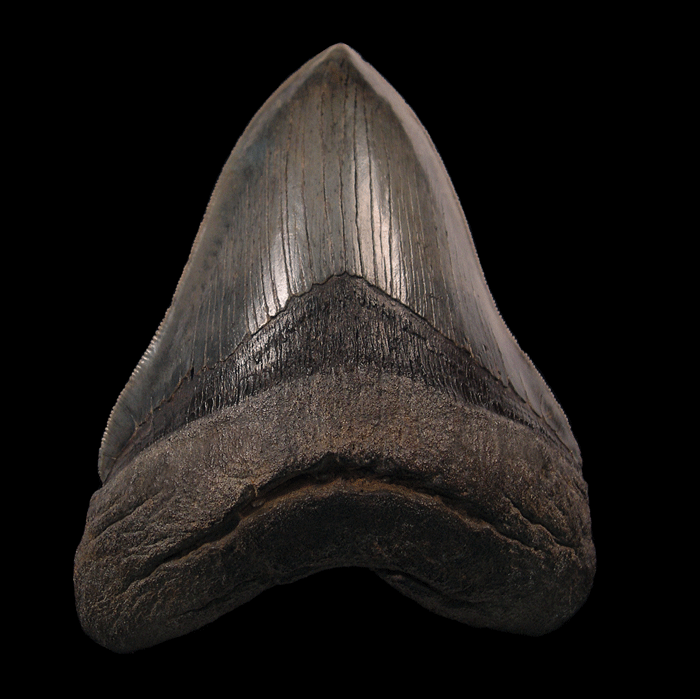
Long before humans began studying the ocean, Earth’s seas were ruled by predators of unimaginable scale. Among them, none inspire awe quite like the Otodus megalodon. Known primarily through their fossilized teeth, these massive sharks left behind clues that continue to fascinate marine biologists, fossil enthusiasts, and collectors alike. At Buried Treasure Fossils, we celebrate these prehistoric relics not just as collectibles but as powerful teaching tools that reveal the complexity of ancient marine ecosystems.
Why Otodus Megalodon Teeth Matter
The teeth of Otodus megalodon are not only some of the largest shark teeth ever discovered—often measuring over 6 inches—but they are also highly detailed records of evolutionary history. Their size, serration, and shape reveal how this apex predator fed, what it hunted, and how it interacted with its environment. By analyzing these fossils, researchers reconstruct ancient food chains that stretched from small fish to massive whales.
For collectors, these teeth serve as tangible connections to a time when oceans teemed with marine mammals and colossal predators. For scientists, they are windows into the behaviors and adaptations that defined the Miocene and Pliocene eras. In both cases, they remind us of the ocean’s ever-changing balance of life.
The Power Hidden in Serrations
One of the most striking features of megalodon teeth is their fine serration. Unlike the smoother edges of some earlier shark species, these serrations were designed to slice efficiently through flesh and bone. This adaptation indicates a diet heavy in marine mammals such as early whales and seals. Large, triangular teeth with sharp serrations show that the megalodon’s bite was not only strong but specialized for tackling prey far larger than itself.
Paleontologists estimate that Otodus megalodon could exert a bite force of up to 180,000 newtons—the strongest of any animal known. Teeth with intact serrations help scientists confirm these estimates, showing how the shark could crush bones and tear apart massive prey. In studying these details, we glimpse how one predator could dominate entire food webs.
Reconstructing Marine Food Chains
When we examine megalodon teeth in detail, patterns emerge that tell us about prey preferences and ecosystem dynamics. For instance, wear patterns and micro-scratches suggest repeated encounters with whale bone, reinforcing the idea that large marine mammals were central to their diet. Fossil evidence also shows overlaps between megalodon and smaller sharks, which likely scavenged leftovers from megalodon kills.
In this way, a single tooth provides evidence not just about the predator but also about its prey and competitors. By piecing together such clues, scientists create a map of ancient food chains, highlighting how one species influenced an entire marine environment.
Collector Appeal and Scientific Value
At Buried Treasure Fossils, we’ve seen firsthand how collectors are drawn to the size, beauty, and rarity of megalodon teeth. Their coloration, from deep blacks to striking blues and grays, reflects the minerals present in the sediments where they fossilized. Each tooth is unique, making it a natural work of art as well as a piece of scientific history.
Yet, their appeal goes beyond aesthetics. Serious collectors often appreciate that every specimen holds information about the world millions of years ago. Owning a tooth is like holding a piece of marine history—one that connects personal passion with broader scientific discovery. This is why we are committed to offering only authentic, legally collected fossils, ensuring both integrity and educational value.
Comparing Megalodon to Other Fossil Sharks
Understanding the role of Otodus megalodon in marine ecosystems also means comparing its teeth to those of other species. For example, fossil teeth from mako sharks and the ancestors of great whites show different adaptations—narrower, smoother, and designed for fish rather than mammals. These contrasts underline the specialization of megalodon as a hunter of large, warm-blooded prey.
Collectors truly enjoy exploring the incredible variety of prehistoric sharks, reveling in the astonishing diversity these ancient creatures showcase! Our extensive catalog features not only the magnificent megalodon but also captivating species like Otodus, powerful great whites, sleek makos, and more. This presents a fantastic chance for enthusiasts to dive into the fascinating evolutionary history of these creatures through real specimens. Each piece holds a unique story from ancient oceans, sparking a deeper appreciation for the wonders of prehistoric marine life.
A Teaching Tool for Students and Educators
One of our goals is to make fossils approachable for learners of all levels. Teachers and students can use megalodon teeth to spark discussions about adaptation, extinction, and ecological balance. Holding a tooth in hand makes concepts like bite force, prey specialization, and predator-prey relationships far more vivid than reading from a textbook.
For marine biology enthusiasts, a single tooth is like a captivating window into the vibrant story of our oceans. This small treasure reveals the journey of apex predators, whose presence is essential for maintaining the delicate balance of marine ecosystems. Exploring these ancient fossils not only helps us uncover the mysteries of the past but also sheds light on the urgent challenges our modern oceans confront. The noticeable decline of these key predators raises important concerns about food webs, hinting at potential disruptions that could affect the entire marine environment. Together, let's celebrate and protect our oceans, ensuring that they continue to thrive for generations to come!
Accessibility and Authenticity
We believe that fossil collecting should be both exciting and accessible. That’s why we provide specimens ranging from entry-level teeth under $50 to museum-grade pieces worth thousands. Each item is guaranteed authentic, with detailed historical context provided. Whether you are a beginner, a teacher looking for classroom resources, or a seasoned collector, we aim to make your fossil experience educational and rewarding.
Bringing Prehistoric Oceans to Life
Through fossils like megalodon teeth, the distant past comes alive. These specimens remind us that Earth’s oceans have always been in flux, with species rising and falling in response to changing climates and ecosystems. By studying Otodus megalodon, we uncover not only the story of a legendary predator but also the broader narrative of survival, adaptation, and extinction that has shaped marine life for millions of years.
Conclusion: Connecting Passion with Prehistoric Oceans
The fossilized teeth of Otodus megalodon are far more than impressive relics—they are scientific treasures that reveal how ancient marine food chains functioned. Their immense size, razor-sharp serrations, and unique preservation tell stories of whale hunts, predator dominance, and ocean ecosystems that no longer exist. For collectors and enthusiasts alike, these fossils offer both aesthetic beauty and educational depth.
At Buried Treasure Fossils, we take pride in connecting people with these extraordinary pieces of history. By exploring our carefully curated collection, you can discover how each specimen reflects the wonders of prehistoric seas and the mysteries of evolution. Whether you’re a teacher, student, or passionate enthusiast, we invite you to take the next step in your fossil journey and bring the story of the megalodon into your own hands.






