

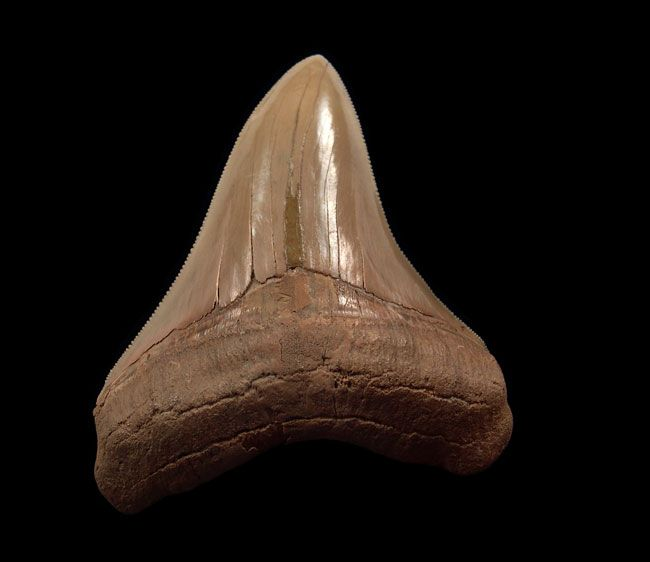
Fossil collecting is more than just a passion—it is a unique intersection of science, history, and economics. Few specimens highlight this balance better than the Otodus megalodon from Calvert Cliffs, a fossil shark tooth that embodies both natural wonder and market value. At Buried Treasure Fossils, we have seen firsthand how provenance, preservation, and demand transform these relics of the ancient ocean into prized pieces for collectors, resellers, and academic researchers alike.
The Allure of Calvert Cliffs Fossils
Calvert Cliffs, located along the western shore of the Chesapeake Bay in Maryland, is world-renowned for its fossil-rich layers from the Miocene epoch. These cliffs have produced a wide variety of marine fossils, but none captivate interest quite like the massive teeth of Otodus megalodon. When we acquire an authentic specimen from this region, the story it carries adds immeasurable weight to its appeal. The fossil does not simply represent an apex predator from millions of years ago—it also captures the geological and historical identity of a specific place.
Collectors truly cherish provenance, and a tooth linked to Calvert Cliffs gains remarkable value. This site is celebrated not only for its academic importance but also for the unique rarity of its specimens. Resellers recognize that the compelling history of these finds warrants a premium in the market, while researchers greatly value the context these fossils offer. This depth of background enriches their potential for scientific insight, making them significantly more valuable to academia. With its rich history and scientific promise, Calvert Cliffs continues to be an exciting treasure trove for both collectors and scholars alike!
Preservation and Market Pricing
Condition is incredibly important in the world of fossil collecting, especially when it comes to shark teeth! For instance, the Otodus megalodon tooth is truly a treasure. When found in outstanding condition—with an intact root, clearly defined serrations, and minimal repairs—it can be worth a fortune! These pristine specimens are highly coveted by collectors and can fetch remarkable prices. On the other hand, even a tooth with some wear or hydration cracks holds considerable academic or display value. However, the collector's market definitely distinguishes between top-tier specimens and those of more average quality. Enthusiastic collectors are often excited to invest in teeth that showcase exceptional preservation and beauty, making the hunt for these remarkable fossils all the more rewarding!
At Buried Treasure Fossils, we prioritize authenticity and transparency. If a fossil tooth has undergone repair, we disclose it clearly. This honesty not only maintains the integrity of the market but also helps buyers understand why an undamaged specimen commands a much higher price. In many cases, the difference between a $200 and a $2,000 fossil lies in just a few millimeters of enamel or the sharpness of a serrated edge.
Collector Demand and Scarcity
Demand in the fossil market is shaped by a blend of aesthetics, rarity, and cultural fascination. The Otodus megalodon continues to capture the imagination of the public because it represents one of the largest and most fearsome sharks to ever exist. The pop culture fascination with Megalodon adds to this demand, but seasoned collectors and resellers focus more on locality, preservation, and authenticity. A Calvert Cliffs specimen represents a double rarity: not only is it from a legendary predator, but it also comes from one of the most studied and iconic fossil beds in North America.
This scarcity directly drives pricing. Even within our catalog, Calvert Cliffs specimens are harder to source and sell quickly once listed. The fossil market reflects classic economic principles—limited supply against consistently strong demand ensures appreciation in value over time.
Long-Term Value in the Fossil Market
For both resellers and investors, fossils like the Otodus megalodon from Calvert Cliffs demonstrate strong long-term value potential. The number of recoverable fossils from this locality is finite, and erosion of the cliffs is heavily regulated. That means fewer new finds enter the market each year. As availability decreases, demand among collectors often grows, creating a steady upward trajectory in pricing.
Academic interest also supports long-term value. A specimen with exceptional preservation may one day be referenced in scholarly research, further elevating its prestige. Unlike many modern collectibles that fluctuate in market relevance, fossils maintain enduring demand because they are non-renewable pieces of Earth’s natural history.
The Role of Authenticity and Transparency
One of the greatest challenges in fossil economics is ensuring authenticity. The market has seen instances of misrepresented or artificially enhanced fossils, which can damage trust. At Buried Treasure Fossils, we combat this risk by guaranteeing that every item we sell is genuine and clearly labeled for quality and condition. When you purchase a tooth from us, especially one as significant as a Calvert Cliffs specimen, you are investing in authenticity and reliability.
For collectors and resellers, trust is essential. It means that when you add a fossil to your collection, you can confidently trace its history and establish its market value. For researchers, authentic specimens are vital since they ensure academic credibility and can be referenced with complete assurance. This authenticity not only enhances the specimen's value in research but also deepens our understanding of natural history, making every discovery a meaningful contribution to the field. Embracing this trust and authenticity fosters a vibrant community where knowledge and appreciation for our planet’s past can flourish!
Educational Value Beyond Economics
While market pricing is a crucial component, the value of these fossils extends far beyond monetary terms. Each Otodus megalodon tooth from Calvert Cliffs offers insight into ancient marine ecosystems, predator-prey dynamics, and evolutionary adaptation. For researchers, the serrations and wear patterns can reveal feeding behavior. For collectors, the fossil becomes both a conversation piece and a tangible connection to deep time.
We are passionate about helping both seasoned experts and new fossil enthusiasts discover this educational dimension. When you acquire a specimen from us, you are not just buying a collectible—you are gaining a piece of history that deepens understanding of the natural world.
Accessibility for All Levels of Collectors
Another important aspect of fossil market economics is accessibility. While rare, top-quality Calvert Cliffs specimens can command high prices, we also offer entry-level fossils at affordable rates. This approach ensures that beginners can participate in fossil collecting without being discouraged by intimidating price tags. It also creates a more dynamic market, where both seasoned investors and casual enthusiasts can find meaningful specimens.
By offering both high-end and budget-friendly options, we strengthen the fossil community, allowing it to grow sustainably. More collectors entering the market helps stabilize demand and supports long-term value for everyone involved.
The Case Study of Calvert Cliffs Fossils in Practice
When viewed through the lens of market economics, Otodus megalodon from Calvert Cliffs represents a textbook example of how provenance, preservation, and demand shape fossil value. Provenance connects the specimen to a prestigious locality, preservation dictates condition-based pricing, and demand ensures steady appreciation in value. Together, these forces highlight the fossil market as an ecosystem of its own, blending science, history, and economics in ways that few other collectibles can match.
This presents an exciting array of strategic investment opportunities for resellers, enabling them to approach the market with confidence and clarity. For researchers, it enhances their understanding, providing essential context that promotes innovation in their work. And for collectors, it offers the thrilling chance to own scientifically significant items that carry significant economic value, beautifully blending passion with purpose. The potential here truly inspires enthusiasm and optimism for everyone involved!
Conclusion: Investing in History with Confidence
The fossil market teaches us that true value lies at the intersection of rarity, authenticity, and story. Nowhere is this more evident than with the Otodus megalodon from Calvert Cliffs, a specimen that continues to captivate collectors, resellers, and researchers alike. As availability declines and demand remains strong, these fossils will only grow more treasured in both scientific and economic terms. If you are ready to expand your collection, explore new avenues for investment, or simply hold a genuine piece of prehistory in your hands, we are here to guide you toward fossils that are authentic, meaningful, and enduringly valuable.






