

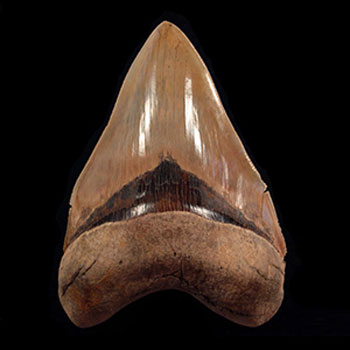
Many collectors initially chase the most prominent Megalodon teeth. They look for the longest blade, the widest root, and the most powerful serrations. The size draws instant interest. That instinct makes sense. People want something that feels massive in their hands and commands attention on a display shelf. But the story doesn’t end with the most significant pieces. A baby megalodon tooth also brings real presence. It reflects a different stage of life, a more delicate preservation, and a kind of rarity that speaks to deeper collecting interest.
Let’s explore more detailed information:
Smaller Teeth Reveal the Beginning of the Journey
You can trace the life cycle of Megalodon through its fossil record. The large teeth show the strength of the adult predator. The smaller ones show where that story begins. Megalodon didn’t hatch from the sea fully grown. It started as a juvenile, swimming in warm nursery waters and shedding teeth just like modern sharks. That phase produced smaller, sharper teeth that collectors often miss. Those who slow down and study those early pieces start to understand how they complete the story. These teeth don’t fade in the shadow of larger finds. They stand with purpose and help complete a comprehensive evolutionary picture.
Compact Fossils Often Offer Stronger Detail
Large teeth draw attention fast, but smaller fossils reward patience. When you hold a smaller Megalodon tooth, you often notice clean edges, visible serrations, and smooth enamel. Many of these teeth preserve features that erosion has stripped from larger pieces. Collectors who care about condition and form often shift their focus to these smaller fossils after years of chasing size. They begin to value precision over mass. They spend more time studying shape, color, and preservation, rather than just length. That change in focus often signals growth in the collector’s journey.
Rarity Grows When Preservation Stays Strong
You won’t find baby Megalodon teeth scattered in the same volumes as adult specimens. The fossilization process favors harder, thicker material. Large teeth survive breakage and erosion more easily. However, when a small tooth does survive and retains its entire structure, it becomes a rare find. You see more complete root lobes, sharper tips, and cleaner edges. That doesn’t happen by chance. It originates from a combination of rapid burial, minimal disturbance, and a unique mineral composition in the sediment. A collector who spots those qualities in a smaller piece adds real value to their case.
These Fossils Show Balance in a Display Case
When you walk past a fossil display filled with only oversized pieces, your eyes quickly tire. Everything starts to look the same. That doesn’t mean those fossils lack importance. It means they lack balance. A collection that mixes sizes, forms, and colors tends to hold your attention longer. A smaller Megalodon tooth breaks the rhythm of bulk. It draws focus to shape and variation. It invites closer inspection. That balance matters more as collectors refine their approach and stop chasing size for its own sake. They begin to search for variety that feels thoughtful and complete.
Educational Value Lives in These Finds
When teaching others about fossils, it is essential to show contrast and context. You can’t explain Megalodon’s growth without showing its early teeth. These smaller pieces help complete that conversation. You can demonstrate how serrations form, how root shapes evolve, and how enamel is preserved across different sizes. Kids respond better to smaller fossils they can hold and study closely. Adults often find it surprising how much detail is hidden in these teeth. That educational function grows more critical as collectors share their passion and pass it on to others.
Shape and Color Offer Fresh Appeal
Collectors sometimes assume smaller fossils don’t offer visual impact. That assumption often fades once they hold one. The blade still curves. The enamel still reflects light. The root still shows symmetry. Colors shift across shades of gray, brown, tan, and even soft orange, depending on the type of sediment and depth at which the tooth rested. The smaller size doesn’t reduce the appeal. It changes the angle. Instead of a bold presence, you get quiet detail. Instead of an immediate impact, you get growing interest. That kind of visual balance helps round out a thoughtful collection of fossils.
Middle Point of the Collector’s Journey
Most collectors move through stages. They begin with size. They hunt for big. Then they move toward the condition. They learn to care about edges, roots, and color. That shift often leads them to appreciate a baby megalodon tooth with more focus and care than they once expected. They don’t need it to impress through size. They want it to teach, to reflect the journey, and to add depth to their understanding. That middle point in the journey often defines the difference between collecting for show and collecting for meaning.
Real Collectors Respect All Stages of Life
A fossil collection tells a story. That story doesn’t just cover apex moments. It tracks everything from early movement to complete development. You can’t understand Megalodon as a species if you ignore the early teeth. These smaller fossils connect you to the whole life of the animal. They show how strength develops over time. They remind you that even the most feared predator started small, grew in stages, and left behind signs at every turn. Real collectors know that kind of insight matters more than size.
Smaller Fossils Make Excellent Personal Pieces
Many collectors seek something they can carry, share, or keep close. Smaller Megalodon teeth offer that opportunity. You can place them in a pocket box, take them to a fossil show, or gift them to someone new to the hobby. That kind of portability adds functionality without compromising value. These fossils don’t need a wide shelf or a tall case. They need care, attention, and appreciation. Their size makes them feel more intimate. People connect with them on a more personal level. That connection helps shape long-term collecting habits.
Market Demand Reflects Collector Shifts
As more collectors turn toward rare and well-preserved pieces, smaller fossils gain stronger positions in the market. Buyers look for variety, condition, and completeness. Large teeth with missing root tips or worn edges don’t hold the same appeal as smaller, fully formed pieces. Market pricing often reflects that shift. Value no longer depends solely on size. It grows from rarity, preservation, and origin. Serious collectors notice that trend and respond to it. They spend more time looking for specific traits instead of chasing inches.
Final Thoughts
Every fossil tells part of a story. Large Megalodon teeth reflect the power and reach of this formidable predator. Smaller ones reflect growth and the beginning. Both carry weight. Both deserve attention. The baby megalodon tooth brings a quiet kind of appeal. It doesn’t shout. It shows detail. It brings you closer to the early life of a predator that once ruled the sea. A collector who gives space to these pieces doesn’t settle. That collector expands the story. That shift demonstrates awareness, care, and curiosity that never cease to grow.
Footnote
Smaller fossils can surprise you. They offer beauty, meaning, and truth that size alone never guarantees. Their value lives in their story, not just their shape.






