

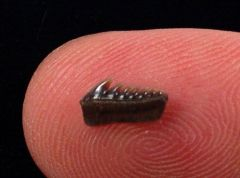
Many collectors feel uncertain when trying to determine the price of a megalodon tooth in UK markets. Some listings show teeth with wide price gaps, and the reasons for those differences often seem unclear. Buyers want to make wise choices but rarely find the proper guidance. This guide focuses on helping UK fossil collectors understand what affects value, how to identify quality, and how to make informed decisions about their purchases. Whether you collect for learning, gifting, or display, having the proper knowledge can help you make better purchases.
What Affects the Price of a Megalodon Tooth in UK Markets?
You will not find one fixed price for a Megalodon tooth. Size plays a significant role. Larger specimens usually cost more, especially when the tooth crosses five inches. These pieces attract both attention and value. Condition carries equal weight. Buyers often overlook the importance of enamel and root structure. A small tooth in excellent shape may cost more than a larger one with heavy wear—the market rewards balance. When a tooth combines size, clean preservation, and natural appeal, buyers notice. That combination creates long-term value.
Why Do Tooth Conditions Always Matter?
You should check the tooth closely before buying. Focus on these key signs of quality:
● Look for enamel that feels smooth but does not have a shiny finish like plastic. Too much gloss could mean artificial polishing.
● Serrations should remain visible and feel slightly sharp to the touch.
● The root needs to appear natural. Avoid teeth that show signs of filling or painted restoration.
● Check for cracks that run deep through the structure. Minor surface lines are standard, but heavy damage lowers value.
● Honest sellers disclose wear and clearly explain any restoration work.
How UK Origin Affects the Value?
Collectors often seek fossils with a known origin, and UK Megalodon teeth stand out for their rarity. Most discoveries originate from coastal areas, where erosion exposes ancient marine layers. You will not find new teeth regularly from these sites. That scarcity adds value. When a tooth comes from a UK site, such as Kent or Suffolk, buyers appreciate the local character. It connects the fossil to a real place and time. Collectors see these finds as more than just teeth. They treat them as historical pieces with location-based meaning.
Why Geological Formation Adds Trust?
Buyers who understand geological formations gain more control over their purchase. Most UK Megalodon teeth come from the Miocene or Pliocene era. These layers give insight into the fossil’s age. If a seller includes this information, it often reflects careful sourcing. Knowing the formation helps confirm authenticity and enhances the educational side of the collection. When sellers skip this detail, it raises questions. A collector does not need to know every formation by name, but understanding the general age range adds another layer of confidence to the buy.
When Demand Shapes What You Pay?
The market for fossils follows trends just like any other collectible field. Prices can climb when documentaries, online articles, or museum features spark public interest. As more people search for Megalodon teeth, especially those sourced from the UK, competition increases. That demand drives up prices. If you watch the market long enough, you will see these cycles repeat. Some collectors wait for quiet periods, while others act fast when they find the right specimen. The key lies in understanding that timing affects cost, but value still depends on the tooth itself.
What Does a Realistic Price Range Look Like?
You can expect price tiers based on tooth size and condition:
● Entry-level teeth under three inches often cost between £100 and £200. These typically show wear but still hold fossil value.
● Mid-tier teeth, typically three to four inches in length, in better condition, may sell for £300 to £600. These suit collectors want a display-worthy fossil with good structure.
● Premium specimens above five inches and with minimal wear often start around £800 and rise depending on rarity and geological source.
Buyers who understand these brackets can set smarter expectations before shopping.
How UK Teeth Compare to Other Regions?
Many buyers notice that teeth from other locations sell for lower prices than UK ones. This difference typically stems from variations in supply levels. Different regions produce Megalodon teeth in higher volumes, which allows sellers to offer them at a lower price. In the UK, fossils are less frequently discovered, which increases both their rarity and cost. When you purchase a megalodon tooth in the UK, you invest in its rarity and historical connection to the region. That makes the purchase more meaningful for collectors who value story and source alongside appearance.
What Helps You Spot Real Value?
Astute collectors always look for signs of authenticity. You can protect your purchase by paying attention to key details:
● Ensure the listing includes multiple clear, high-quality photos. These should show the front, back, serrations, and root from several angles.
● Read the full description. Look for specific measurements and any mention of restoration or repair.
● Avoid vague phrases that promise “museum quality” without proof.
● Ask about the origin. If the seller cannot explain where the tooth came from, that often signals poor sourcing.
● Learn how real fossils look so you can avoid overly polished or artificial finishes.
What Questions Make You a Smarter Buyer?
Buyers who ask questions take control of their experience. Ask the seller where the tooth came from and whether they restored it. Request more photos if the ones shown feel unclear or cropped. Find out if the tooth came from a known site or formation. A good seller answers openly and with knowledge. If someone avoids these questions, you have a reason to move on. You should never feel rushed into buying. Instead, make decisions based on details that support long-term collecting goals.
Where to Buy Without Guesswork?
When you shop for Megalodon fossils, choose sellers who focus on fossils as their specialty. Look for listings that mention exact size, origin, and condition. A trustworthy seller will point out flaws and provide real context. You can also use the “shop by locality” option on our website to explore fossils from specific regions, including the UK. That makes it easier to find what interests you. When sellers give full details, they treat the fossils with respect and offer you a better experience as a collector.
What Sets Our Listings Apart?
We prepare each listing with care. Our team checks every Megalodon tooth for accuracy and relevance. We provide size, location, and any signs of restoration. We use clear, high-quality photos to show what you will receive. We avoid using filler words or inflated descriptions. Our goal is simple. We want to give buyers the confidence to collect without second-guessing the value. When you shop with us, you see the real fossil and the real story behind it. That transparency builds trust from the start.
Final Thoughts
You do not need to feel lost when shopping for a megalodon tooth in the UK. You can understand what shapes the price and how to spot true quality. Pay attention to size, enamel condition, root structure, and origin. Ask questions that matter. Look for sellers who know their stock and explain it clearly. Collecting fossils offers more than just a physical item. It gives you a chance to connect with the ancient past in a real way. That experience starts when you buy with care and purpose.
Footnote
Fossil collectors benefit most when they ask questions, compare details, and trust sources that focus on preservation. Wise choices lead to meaningful fossil finds and long-term collecting value.






