

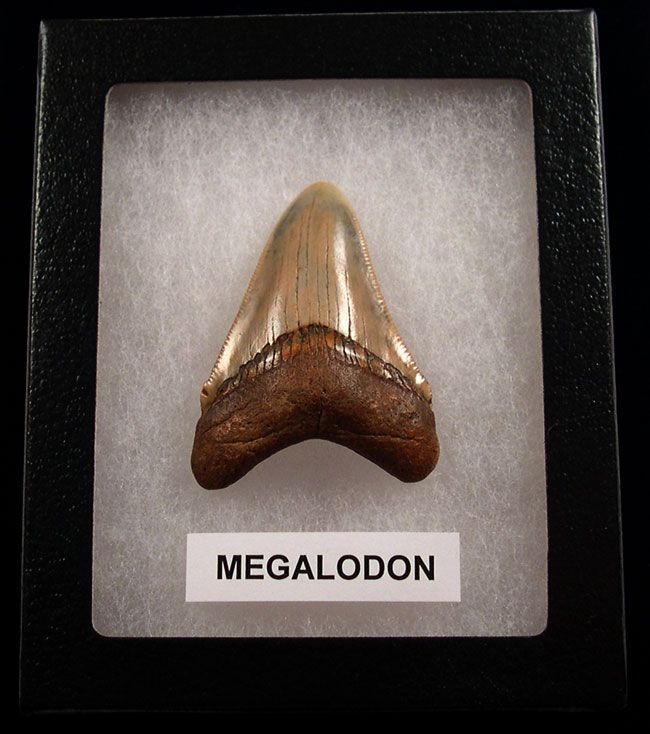
Few fossils carry the grandeur and mystery of the Megalodon tooth. This extraordinary relic is a tangible piece of Earth’s ancient oceans, a direct link to a creature that dominated the seas some 15 million years ago. Holding a genuine Megalodon tooth is more than a collector’s milestone; it’s an invitation to experience a prehistoric world that still captivates scientists and fossil enthusiasts alike.
One specimen, in particular, shines among many: a striking TAN-colored Megalodon tooth from North Carolina. Found approximately 40 miles offshore of Wrightsville Beach, this fossil dates back to the Miocene epoch and comes from the renowned Hawthorne Formation. Completely untouched by repairs or restoration, it offers a rare, authentic glimpse into the marine life of the past.
Whether you’re seeking an extraordinary gift, a unique classroom tool, or Megalodon - My First Megalodon tooth, it exemplifies what makes these fossils so valuable.
The Megalodon: A Giant of the Ancient Seas
The Megalodon was an unparalleled predator. Estimated to have reached lengths up to 60 feet, far outscaling any modern shark. Its reign extended throughout the Miocene and Pliocene epochs, roughly between 23 and 3.6 million years ago. Megalodons thrived in warm coastal waters, preying on whales and large marine animals with a bite force powerful enough to crush bone.
Although the massive shark itself disappeared long ago, its teeth endure as compelling evidence of its existence. These triangular teeth with serrated edges not only reflect the Megalodon’s hunting prowess but also serve as a window into the prehistoric ocean ecosystems.
Why Are Megalodon Teeth So Coveted?
To truly appreciate the allure of Megalodon fossils, it’s important to understand the unique qualities that elevate these teeth above other prehistoric finds.
● Size and Visual Impact
Megalodon teeth are unmatched in size among fossil shark teeth, often measuring several inches in length. The specimen from North Carolina is remarkable for its TAN coloration, a natural result of mineral deposits during fossilization, and its large, well-preserved form. Teeth with intact serrations and minimal wear are particularly prized because they retain more of the original features, making them visually stunning and scientifically valuable.
● Provenance and Geological Importance
The value of a fossil is closely tied to its origin. This tooth’s provenance, unearthed from the Hawthorne Formation, a sedimentary deposit rich with Miocene marine fossils—adds significant credibility and appeal. Offshore discoveries such as this tend to be better preserved, shielded from the weathering and damage common to fossils found onshore or in riverbeds.
Being able to trace the tooth back to a specific geological formation dating to about 15 million years ago provides not just authenticity but also scientific context, offering clues about the ancient marine environment and the creatures that lived there.
● Authenticity and Condition
The market for fossil teeth is crowded with replicas and restored pieces, making authenticity a key factor in valuation. This particular TAN Megalodon tooth stands out because it has never been repaired or restored, preserving its original state. For collectors, this guarantees they are acquiring a genuine specimen, enhancing both its scientific value and monetary worth.
North Carolina’s Fossil Treasure
North Carolina has long been a hotspot for fossil hunting, especially for shark teeth. The Hawthorne Formation, which dates back to the Miocene epoch, is particularly rich in marine fossils thanks to its origin as an ancient seabed.
The discovery of this Megalodon - My First Megalodon tooth about 40 miles offshore Wrightsville Beach highlights the area’s significance. Offshore finds often avoid the degradation that affects fossils closer to shore or on land, resulting in specimens that are remarkably intact.
The TAN coloration seen in this fossil is due to the mineralization process it underwent, where minerals replace the original organic material, preserving the tooth’s shape and detail while giving it an earthy, warm hue. This natural coloring adds an extra layer of appeal that many collectors find irresistible.
Starting Your Megalodon Fossil Collection: Why This Tooth Is an Excellent Choice
For those new to fossil collecting, choosing the right specimen can be overwhelming. This TAN Megalodon tooth from North Carolina ticks many boxes:
● Provenance and Authenticity: The tooth comes from a well-documented, scientifically significant location and is guaranteed authentic.
● Condition and Preservation: Untouched by repairs, the tooth maintains its natural state with sharp serrations and no restorations.
● Display Ready: Framed and presented beautifully, it’s perfect as a gift or a centerpiece for a classroom or collection.
● Size and Visual Appeal: Its large size and unique TAN coloration make it an impressive specimen that stands out.
Starting with such a specimen offers both educational value and collector prestige, providing a solid foundation for expanding a fossil collection.
The Cultural Fascination with Megalodon Teeth
Megalodon teeth have fascinated people for centuries, inspiring stories, myths, and modern media portrayals. From museum exhibits to popular documentaries and films, the Megalodon’s legacy persists as a symbol of prehistoric power.
Owning a genuine Megalodon tooth is more than a collector’s achievement, it’s a connection to that enduring fascination, a way to bring the awe-inspiring story of Earth’s ancient oceans into your everyday life. For educators, these fossils open a door to teaching moments that go beyond textbooks, encouraging students to explore science, evolution, and Earth history firsthand.
What Makes This TAN Megalodon Tooth Truly Special?
While Megalodon - My First Megalodon are found in various locations worldwide, this TAN-colored tooth from North Carolina stands apart for several reasons:
● Natural, Untouched Beauty: Its TAN hue is a natural feature from millions of years of mineralization, enhancing the fossil’s appeal without artificial coloring.
● Verified Geological Context: Originating from the Hawthorne Formation lends it significant scientific credibility.
● Offshore Preservation: Found 40 miles offshore, Wrightsville Beach, it likely avoided much of the wear and damage typical of onshore fossils.
● No Repairs or Restorations: The tooth’s untouched condition makes it a pure, authentic specimen.
These qualities combine to make it an excellent first Megalodon tooth—one that will hold its value, intrigue, and beauty for decades.
Final Thoughts: Owning a Piece of Prehistoric Majesty
This Megalodon - My First Megalodon tooth from North Carolina is far more than a fossil; it is a symbol of Earth’s distant past and the powerful creatures that shaped it. Its remarkable preservation, authentic provenance, and natural beauty make it an exceptional find for anyone looking to own a genuine piece of prehistoric history.
Whether displayed in your home, gifted to a fossil enthusiast, or used as a dynamic educational tool, our tooth collection bridges millions of years of time, inviting us to marvel at a world long gone but never forgotten.
If you’re ready to take the plunge into fossil collecting or simply want to own a magnificent, authentic Megalodon tooth, our fossil collection from North Carolina’s Miocene Hawthorne Formation is an unmatched choice.






