

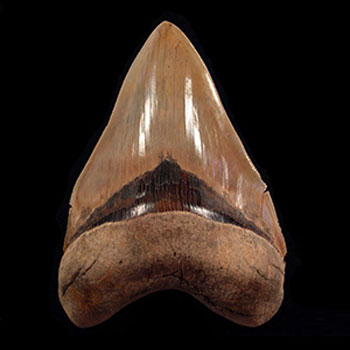
The story of Earth’s past oceans is written not only in rocks and sediments but also in the ancient remains of creatures that once ruled the seas. Among the most impressive of these relics are megalodon tooth fossils. Alongside other fossilized shark teeth, they reveal more than the sheer size and power of this legendary predator—they also serve as remarkable records of ancient marine environments. By examining these fossils, scientists have been able to reconstruct oceanic climate shifts, offering eco-historians and science communicators valuable insights into how prehistoric seas evolved over millions of years.
At Buried Treasure Fossils, we share this excitement for prehistoric life with collectors, researchers, and curious learners. From rare shark teeth to ammonites and dinosaur fossils, our carefully curated collection connects enthusiasts with genuine pieces of Earth’s ancient story.
Why Megalodon Teeth Hold Climate Secrets
Sharks, including the giant Megalodon, constantly shed and regrew their teeth throughout their lives. This left behind countless specimens that now act as biological archives of the Miocene and Pliocene epochs, when this apex predator dominated the seas. Each megalodon tooth contains chemical signatures locked in its mineralized structure, allowing modern researchers to study variations in isotopes such as oxygen and carbon.
These isotopic patterns directly reflect the temperatures of seawater at the time of formation, as well as the types of prey consumed by the shark. By analyzing such details, scientists can uncover evidence of past climate fluctuations, regional temperature differences, and even migration routes of prehistoric marine giants. In other words, every fossilized shark tooth is more than a collector’s item—it is a data-rich capsule of ancient climate history.
Chemical Analysis: Reading Oceans Through Teeth
One of the most compelling scientific methods involves measuring the ratio of oxygen isotopes (O-18 to O-16) in fossilized teeth. Higher concentrations of heavier isotopes often indicate cooler water temperatures, while lower ratios suggest warmer conditions. In this way, megalodon teeth have revealed that these sharks thrived in warm, subtropical oceans but also adapted to shifts in global temperatures.
Carbon isotope analysis further enhances these findings. It can point to dietary patterns—such as the dominance of whale prey in Megalodon’s diet—and indirectly reflect ecological conditions. When global temperatures cooled toward the end of the Pliocene, scientists noticed shifts in isotopic data that aligned with the species’ decline. These findings link the disappearance of Megalodon to broader climatic transformations that reshaped ocean ecosystems.
Fossils as Timelines of Climate Change
Every fossil carries a timestamp. For Megalodon teeth, their wide geographic distribution makes them especially valuable for creating comparative timelines. Teeth have been found in North America, South America, Europe, Africa, and Asia, enabling researchers to map changes in ocean conditions across continents. For example, studies of specimens from Peru and Chile revealed cooler currents coinciding with tectonic and oceanographic shifts in the Pacific.
Through the meticulous assembly of diverse data points, eco-historians can vividly illustrate how ocean circulation patterns have evolved over millions of years. This deeper understanding not only sheds light on the enigmatic prehistoric past but also offers valuable parallels to the pressing issues of our time, particularly in the context of today’s swiftly changing climate. The insights captured within a solitary fossilized tooth serve as a remarkable connection, weaving together the intricate tapestry of ancient ecosystems and our contemporary challenges surrounding global warming and the preservation of marine biodiversity.
The Collector’s Perspective: Holding Climate History in Your Hand
For fossil enthusiasts, the thrill of holding a massive tooth from the largest shark that ever lived is unmatched. Yet what makes a megalodon tooth truly extraordinary is its dual role as both a piece of natural art and a scientific instrument. A specimen measuring six inches across isn’t just a testament to the shark’s power—it is also a physical record of ancient seawater temperatures and atmospheric conditions.
At Buried Treasure Fossils, we’ve always emphasized this educational and historical value. Whether you’re a professional researcher, a marine history enthusiast, or a first-time collector, the specimens we curate allow you to connect directly with the scientific narratives that define Earth’s environmental past. Owning such a fossil is not simply about collection—it is about participation in the continuing story of paleontology and climate science.
Buried Treasure Fossils: Sharing Passion and Authenticity
Founded in 2000 by Gary Greaser, our store began with a simple passion for fossil hunting and grew into one of the most trusted destinations for authentic specimens. We guarantee the legality and authenticity of every item, offering collectors peace of mind alongside their sense of wonder. Our catalog is extensive, ranging from ammonites and trilobites to dinosaur teeth and mammoth fossils. Yet our selection of shark teeth, including fossil shark tooth specimens from Megalodon, Otodus, and Great White ancestors, remains among our most popular.
Our mission goes beyond selling. Each listing is accompanied by educational context—geological age, species background, and scientific significance. This way, every fossil comes with a story that enriches the collector’s experience. We believe fossils should inspire both curiosity and respect for the history they represent.
Accessibility for All Enthusiasts
We know fossil collecting can feel intimidating, especially for newcomers. That’s why we provide options for all budgets—from affordable pieces under $50 to museum-grade specimens worth thousands. We also offer free shipping on qualifying orders, along with tools to filter by price, species, or locality. Our approach is rooted in accessibility: making fossils available not only to seasoned researchers but also to those just beginning their journey into paleontology.
Each collector should have the privilege of holding a tangible piece of history in their hands, whether it’s a beautifully preserved trilobite, a stunning ammonite with its intricate coiled pattern, or a remarkable fossilized shark tooth from the ocean’s most fearsome predator. Each of these treasures offers a glimpse into the distant past, a connection to ancient life that once roamed the Earth and swam in the seas.
Why These Fossils Matter Today
The scientific relevance of these fossils extends beyond academic study. By understanding how oceanic conditions influenced prehistoric predators like Megalodon, we can better grasp how climate change may affect modern marine ecosystems. Warming seas today pose challenges to sharks, whales, and countless marine species—just as cooling oceans once reshaped ecosystems millions of years ago.
Fossils offer us an incredible glimpse into our planet's history, showcasing the delicate balance of ocean life and its astonishing resilience! The impressive teeth of the Megalodon, once a powerful sea predator, remind us that even the strongest creatures face challenges from environmental change. Every fossil tells a unique story of adaptation and survival, inspiring us to consider our own role in protecting these fragile underwater ecosystems. Let’s celebrate these amazing remnants of the past and be motivated to nurture our oceans together!
Conclusion: Fossils as Bridges Between Past and Future
Holding a megalodon tooth fossil is more than an encounter with prehistoric power—it’s an invitation to reflect on the deep relationship between life and climate. Each tooth tells the story of ancient seas, shifting temperatures, and the rise and fall of ecosystems. At Buried Treasure Fossils, we’re proud to connect collectors and researchers with these remarkable specimens, ensuring authenticity and offering knowledge that makes every fossil meaningful.
If you’re ready to explore the wonders of prehistoric oceans, discover how these fossils can inspire curiosity, spark conversation, and connect you to the Earth’s ancient rhythms. With every fossil you collect, you don’t just own a relic—you hold a piece of climate history that continues to shape our understanding of the world.






