

Intro: The Tooth Fairy’s Toughest Job Yet
We’ve all heard of the Tooth Fairy. She leaves coins, maybe a note, sometimes glitter, if she’s feeling fancy. But imagine what she would’ve done with a 7-inch tooth from a 60-foot shark. That’s where Florida comes in. Known for its beaches, oranges, and yes, strange news headlines, Florida has one more claim to fame: it’s one of the best places on Earth to find Megalodon teeth in Florida.
These prehistoric treasures are more than just big, sharp souvenirs. They tell stories from a time when sharks ruled the seas and humans didn’t even exist. And the best part? You can actually find them yourself.
So, let’s sink our teeth into this jaw-dropping topic.
What Exactly Is a Megalodon Tooth?
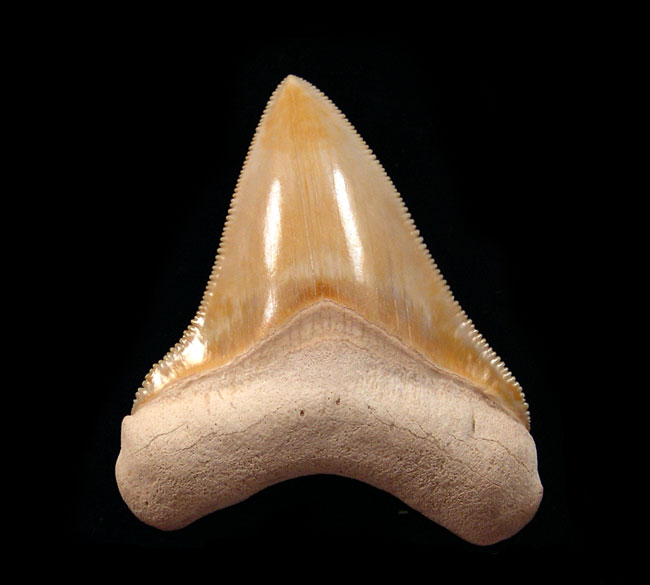
A Megalodon tooth isn’t just any shark tooth, it’s a prehistoric giant’s calling card. The Megalodon, believed to be the largest shark ever, lived over 3 million years ago and could grow up to 60 feet long. Its teeth were massive, with some measuring over 7 inches, shaped like perfect triangles with serrated edges.
But size isn’t the only cool part. These teeth have survived millions of years underground, fossilized by minerals in the soil and water. When you hold one, you’re literally touching ancient history.
The more we learn about Megalodons, the more fascinating they become.
Why Florida?
So, why are Megalodon teeth in Florida so common? It all comes down to what Florida used to be, mostly underwater. Millions of years ago, giant sharks like Megalodon swam through what is now the Sunshine State. As they lost teeth (as sharks do), those teeth settled into the sandy seabed.
Florida’s Bone Valley, especially in the Peace River region, is famous for its fossil-rich sediments. The phosphate in the soil preserved these teeth incredibly well, giving us one of the best fossil-hunting locations in the world.
Florida didn’t just become a fossil hub overnight, it evolved into one over millions of years.
The Beauty of a Florida Meg Tooth
You might expect fossils to be boring, dusty rocks. But Megalodon teeth in Florida are often colorful, glossy, and surprisingly beautiful. Thanks to Florida’s unique minerals, the teeth can show off hues of tan, orange, blue, gray, and even pastel shades.
Collectors and scientists both go wild over these colors. Not only are they stunning, but they also hint at the sediment makeup and environment where the tooth fossilized. Some collectors call them “nature’s artwork”, and it’s easy to see why.
A good fossil tells a story, and in Florida, that story is always in full color.
Science Behind the Smile
Every Megalodon tooth in Florida is more than a collector’s item, it’s a scientific artifact. Paleontologists study them to learn about the shark’s size, diet, hunting behavior, and even its evolutionary path.
Tooth size and shape help estimate how big the Megalodon was. Some teeth even have bite marks or signs of wear, giving clues about their feeding habits. Others have enamel damage or unusual growth, sparking debates about prehistoric shark health.
These aren’t just fossilized teeth, they're bite-sized time capsules.
How to Hunt for Megalodon Teeth in Florida?
If you’re thinking, “I want one!”, you’re not alone. The good news? You can go looking for them yourself. Florida allows fossil hunting in public waterways, but there are a few steps to follow:
1. Get a Fossil Permit: Required if you plan to keep vertebrate fossils. You can get it from the Florida Museum of Natural History.
2. Choose Your Spot: Peace River is the most popular. Other hotspots include creeks in Polk, Hillsborough, and Sarasota counties.
3. Pack the Right Tools: Shovel, sifter, water shoes, and sunscreen.
4. Know the Rules: No trespassing, no digging on protected land, and always fill your holes.
Just imagine sifting through sand and gravel and seeing a triangular shadow glint back at you, that moment is worth every mosquito bite.
Are They Valuable?
Yes, and no. Some Megalodon teeth in Florida are worth hundreds or even thousands of dollars, especially if they’re large, well-preserved, and rare in color. But not every find will fund your retirement.
Here’s a general breakdown:
● Small, chipped teeth: $10–$50
● Medium, intact: $100–$300
● Large (6+ inches), serrated: $500–$1,500
● Museum quality: Often priceless
Still, for many collectors, the real value is personal. It’s about discovery, history, and the thrill of finding something millions of years old—by hand.
And unlike stocks, fossils never lose their cool factor.
Buying vs. Hunting: What’s Better?
Not everyone wants to dig around in a swampy river—and that’s okay. You can buy Megalodon teeth in Florida from trusted fossil dealers and online shops. But you should know what to look for:
● Authenticity certificates
● Clear photos and size details
● Return policies
● Transparent sourcing
Avoid teeth that seem too perfect for a low price—they might be replicas. Real teeth will have natural imperfections, color variation, and subtle wear.
Hunting is rewarding, but buying saves you from muddy shoes and unexpected sunburns.
Why Kids (and Adults) Love Meg Teeth?
Let’s face it, shark teeth are just cool. But Megalodon teeth in Florida take it to another level. Kids get hooked on paleontology when they realize a giant shark once swam where they now swim. Adults, on the other hand, love the mix of adventure, science, and nostalgia.
Schools even use Megalodon teeth as teaching tools. They spark curiosity, encourage learning, and make Earth’s history feel more real. Who wouldn’t want to hold a piece of the past in their palm?
Whether you're young or just young at heart, there’s something magical about that first fossil find.
Planning a Fossil-Hunting Trip
Want to plan a vacation around fossils? You’re in luck. Florida is a top destination for this kind of adventure. Here's a sample itinerary:
● Day 1: Visit the Florida Museum of Natural History in Gainesville
● Day 2: Fossil hunt in Peace River (don’t forget your permit)
● Day 3: Tour a fossil shop and pick up a souvenir tooth
You’ll leave with memories, photos, and maybe even a few Megalodon teeth in Florida tucked safely in your backpack.
It’s the kind of vacation that adds adventure to your Instagram feed and knowledge to your brain.
What These Teeth Teach Us About Climate
Believe it or not, fossil teeth help scientists study ancient climate change. That’s right, Megalodon teeth in Florida have secrets buried deep inside their enamel.
By analyzing isotopes and chemical composition, researchers can determine ocean temperatures, salinity levels, and even migration patterns from millions of years ago.
This information helps scientists compare past climate changes with what’s happening today. In a way, every Meg tooth is like a prehistoric thermometer.
So yes, they’re cool—but they’re also important.
Final Thoughts: From the Ocean to Your Hands
At the end of the day, Megalodon teeth in Florida are more than relics—they’re reminders. They show us how massive life on Earth once was. They remind us of nature’s power, mystery, and creativity.
Whether you’re a collector, a kid with a shovel, or a science teacher, there’s something to love about these fossilized treasures. They offer a hands-on link to the distant past, one bite at a time.
And hey, if you do find one under your pillow, maybe leave a note for the Tooth Fairy. She’s earned it.
Ready to Start Digging?
Want to find your own Megalodon tooth in Florida? Start by grabbing a permit, packing your tools, and heading to Peace River. Or explore a fossil shop near you for a prehistoric piece of the puzzle.






