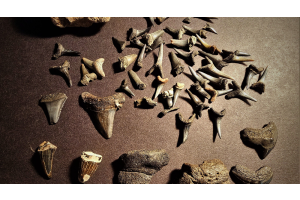
The ocean once belonged to giants. Among these prehistoric titans, the Megalodon reigns supreme, a monstrous shark whose teeth continue to captivate collectors, scientists, and curious minds alike. But just how massive were Megalodon teeth? Understanding the size of megalodon teeth gives us a glimpse into the scale and power of this ancient predator. Today, let’s delve into the fascinating world of Megalodon teeth, examining their size, significance, and what they reveal about the largest shark that ever existed.
The Mystery Behind the Megalodon Tooth Size
When someone mentions the Megalodon, the first image that often comes to mind is its colossal teeth. These teeth are not only fascinating fossils but vital clues to the life and size of the Megalodon itself. The megalodon tooth size varies, with specimens ranging from modest sizes to jaw-dropping dimensions. On average, these teeth measure between 7 cm (2.75 inches) and over 18 cm (7 inches) in height — a scale unheard of in today’s shark species.
But why focus so much on the teeth? Unlike bones, shark skeletons are made of cartilage, which rarely fossilizes. Teeth, on the other hand, are composed of harder materials, such as enamel, making them more likely to withstand the test of time. This makes the megalodon tooth size an essential window into the past.
As we examine the size of these teeth, it’s essential to understand what these dimensions reveal about the creature’s life and hunting capabilities.
Juvenile vs. Adult: Tracking Growth Through Tooth Size
Just as humans grow over time, so did the Megalodon — and the megalodon tooth size gives us a glimpse into this progression. Smaller teeth typically belonged to juvenile sharks, while the most prominent teeth belonged to mature adults fully.
A juvenile Megalodon’s tooth might measure around 7-10 cm, while a fully grown adult’s tooth could reach 18 cm or more. These size differences tell stories of growth stages, with teeth increasing in size as the shark ages. This natural variation helps paleontologists identify the age and maturity of the fossilized specimen.
Tracking the size of megalodon teeth across different fossils also reveals the shark’s lifecycle, from newborns in nursery grounds to apex predators dominating ancient oceans.
Understanding this growth journey adds another layer of appreciation for the accurate scale of this prehistoric giant.
Why the Megalodon Tooth Size Matters to Scientists and Collectors?
Beyond their sheer size, the significance of the megalodon tooth size extends to what they reveal about evolution, ecology, and even paleogeography. Scientists use tooth size to estimate the overall length of the Megalodon, since there’s a correlation between tooth size and body size.
For example, larger teeth suggest a longer, more powerful shark — some estimates place the Megalodon at over 60 feet long, with teeth as large as a human hand. This relationship helps researchers paint a more accurate picture of the prehistoric ocean predator.
Collectors, on the other hand, prize teeth not only for their size but also for their condition, rarity, and color. The bigger the tooth, the more valuable it is in the fossil market. Whether displayed as a centerpiece or studied closely, the size of the megalodon tooth holds a magnetic appeal for enthusiasts worldwide.
The Largest Megalodon Teeth Ever Found: Record-Breaking Specimens
Curious about just how big the megalodon tooth size can get? Some of the most prominent teeth discovered measure well over 18 cm (7 inches). One famous specimen, found off the coast of North Carolina, reached an astonishing 19 cm in length, almost the size of a human hand.
These massive teeth give us clues about the immense power and size of the Megalodon, but such finds are rare. Most teeth fall within the 10-15 cm range, which is still impressive when compared to those of modern sharks.
These record-breaking fossils continue to inspire awe and fuel scientific studies, making every discovery an exciting chapter in the story of Earth’s ancient oceans.
The Connection Between Tooth Size and Megalodon’s Bite Force
It’s easy to imagine that bigger teeth mean a stronger bite — and in the case of the Megalodon, this is true. The megalodon tooth size directly reflects the shark’s incredible bite strength.
Scientists estimate that the Megalodon could exert a bite force of up to 18 tons — enough to crush the bones of whales and other massive prey. The serrated edges of the teeth were designed to slice through flesh and bone alike.
This connection between tooth size and hunting prowess underscores why the Megalodon dominated the seas for millions of years and why its fossils continue to fascinate us today.
Geographic Variations in Megalodon Tooth Size
Did the megalodon tooth size vary depending on where the shark lived? Fossil evidence suggests some regional differences. Teeth found in certain parts of the world tend to be larger or smaller based on environmental factors and local prey availability.
For example, teeth from fossils in North America might differ slightly in size and shape from those found in Asia or Europe. These variations provide essential clues to paleontologists studying Megalodon’s range and habits.
Such geographic differences add depth to our understanding of this ancient predator and remind us of the true diversity of prehistoric life.
How to Care for Your Megalodon Tooth Fossil?
If you’re lucky enough to own a Megalodon tooth, or plan to get one, understanding how to care for it is crucial. The size of the tooth affects its weight and fragility; larger teeth require more careful handling.
Keep your fossil out of direct sunlight and away from moisture to prevent damage. Use gentle cleaning methods and avoid harsh chemicals.
Your prized megalodon tooth specimen deserves to be preserved for generations, and proper care helps maintain its beauty and value.
If you’re interested in adding to your fossil collection, be sure to check trusted sources and verified sellers to find genuine pieces.
The Lasting Legacy of the Megalodon Tooth Size
The fascination with the megalodon tooth size goes beyond numbers and measurements. Each tooth tells a story, a glimpse into a time when oceans were ruled by monsters larger than any living today.
Collecting and studying these teeth helps us connect with Earth’s ancient past and inspires curiosity about the incredible diversity of life.
Whether you’re a scientist, a collector, or just a fan of prehistoric wonders, the size of these teeth offers an unforgettable window into the power and majesty of the Megalodon.
Ready to Explore the World of Megalodon Teeth?
If you’re intrigued by the enormity of the megalodon tooth size, why not explore your own piece of history? At Buried Treasure Fossils, you can find authentic Megalodon teeth that showcase the impressive range of sizes this prehistoric predator boasted.
Don’t miss your chance to own a spectacular reminder of the ocean’s ancient giant. Dive into our collection today and uncover the wonder of the Megalodon for yourself!
Conclusion: Embracing the True Scale of the Megalodon
Understanding the size of megalodon teeth helps us appreciate the incredible scale and power of one of history’s most fearsome creatures. From juveniles to giant adults, these teeth reveal stories of growth, hunting dominance, and survival in prehistoric seas.
As science advances and new fossils emerge, the mysteries of the Megalodon continue to unfold, all starting with the awe-inspiring size of its teeth.
Whether you’re fascinated by natural history or looking to add a unique fossil to your collection, remember: every tooth is a tangible connection to a time when giants ruled beneath the waves.