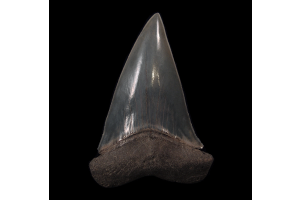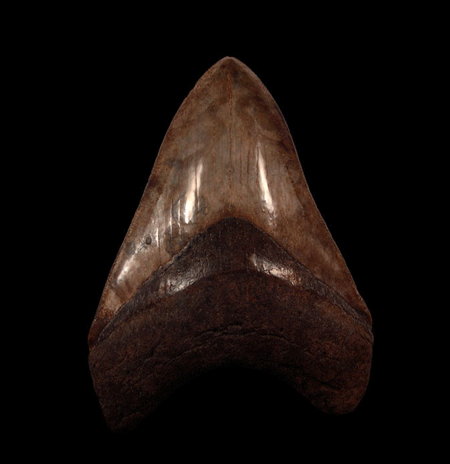
Megalodon teeth are incredible. These massive fossilized teeth once belonged to the largest shark that ever lived. Holding one in your hand feels like touching a piece of history. But as the demand for these fossils has grown, so has the number of fakes. If you're wondering how to tell if a megalodon tooth is real, you're not alone. Many collectors, especially those just starting out, ask the same question.
Whether you picked one up at a market or are thinking about buying from an online store, it’s important to know what to look for. At our website, we help collectors explore a wide range of authentic fossils, and we want you to feel confident with every purchase. Here are seven key signs that can help you spot the real deal.
1. Look at the Color and Texture
Authentic megalodon teeth are fossils. That means they’ve spent millions of years buried under layers of sediment, absorbing minerals from the earth. These minerals slowly replace the original tooth material.
Because of this, real megalodon teeth often have earthy tones. You’ll see shades of gray, black, tan, brown, or even blue. The color depends on the type of sediment where it was buried.
Fakes, on the other hand, often look too bright or shiny. Some replicas are made from resin or plastic and may have a dull, unnatural surface. Others may be painted to look old, but if you see odd colors like bright white or glossy black, be cautious.
Also, run your fingers along the tooth. Real fossils have a grainy, stone-like feel. Fake ones often feel smooth, slick, or too light.
2. Check the Weight
Real megalodon teeth are heavy. Since they are fossilized, they’ve turned into stone over time. When you hold a real one, it should feel solid in your hand.
Fake teeth, especially those made of plastic or resin, are usually lighter. Even large fake teeth don’t have the same weight as genuine fossils.
If you’re shopping in person, always ask to hold the tooth. Feel the weight. Compare it to other teeth if possible. If you're buying online, see if the seller lists the weight and dimensions.
3. Inspect the Serrations
Megalodon teeth are famous for their serrated edges. These small, sharp notches helped the shark slice through its prey. If the tooth is real and well-preserved, you’ll see fine, even serrations along both sides of the blade.
Some older or heavily worn teeth may have dull or missing serrations, but they should still show some signs of these features.
Fake teeth often get this detail wrong. The serrations might be too perfect, uneven, or missing entirely. In some cases, fake teeth may have serrations that look too sharp or look like they’ve been carved by hand.
When we receive our fossils, we carefully inspect the serrations to confirm authenticity before offering them to collectors.
4. Look at the Root and Enamel Line
The enamel is the shiny outer layer of the tooth. On a real megalodon tooth, this enamel ends clearly at the root. There’s a distinct line where the enamel stops and the root begins. Learning how to tell if a megalodon tooth is real often starts with spotting this difference.
The root itself will usually have a more porous texture. This contrast between the root and enamel is an important sign to look for.
Fakes may not show this detail. Some replicas have enamel that extends into the root area or show no clear separation at all. Others may have a completely smooth texture from top to bottom.
Genuine megalodon teeth may also show small cracks or chips, which are natural signs of age. Fake teeth often try too hard to look “perfect.”
5. Consider Where It Came From
This one might sound simple, but it’s a big help: ask where the tooth was found. Real megalodon teeth often come from places like South Carolina, North Carolina, Florida, and parts of Central America.
If a seller doesn’t know or won’t share where the tooth came from, that’s a red flag. Reputable fossil dealers will tell you the location and sometimes even the layer of sediment it was found in.
At our store, we take pride in offering megalodon teeth with clear origin details. We know it gives buyers peace of mind.
6. Test the Tooth’s Temperature
Here’s a simple trick: hold the tooth against your cheek or lips for a few seconds.
Real fossilized megalodon teeth, like rocks, stay cool to the touch. Even after sitting in a warm room, they often feel cold. This is because stone doesn’t hold heat well.
Plastic or resin replicas usually feel room temperature or even warm.
While this test isn’t perfect, it’s a quick way to get another clue about whether your tooth is real.
7. Get a Professional Opinion
Still unsure? That’s okay. Some fakes are very well made. If you’re new to collecting, it can be tough to know for sure.
The best thing to do is ask an expert. Bring your tooth to a local fossil shop or museum. You can also contact us for help. We’ve looked at thousands of megalodon teeth and are always happy to guide fellow collectors.
You can also look into certification services. Some experts offer certificates of authenticity for rare or high-value specimens. This adds value and confidence to your collection.
Final Thoughts
We know how exciting it is to hold a megalodon tooth in your hands. These fossils are more than just collector’s items—they’re windows into prehistoric life. But in a market filled with copies and fakes, it's important to stay sharp.
By knowing what to look for—weight, texture, color, serrations, and origin—you’ll feel more confident in your purchases. Remember, when you shop with us, we’re always here to help you find authentic, high-quality megalodon teeth backed by real experience.
If you're ever unsure and want help figuring out how to tell if a megalodon tooth is real, we’d love to hear from you. Browse our collection, ask questions, and add something real to your collection.