

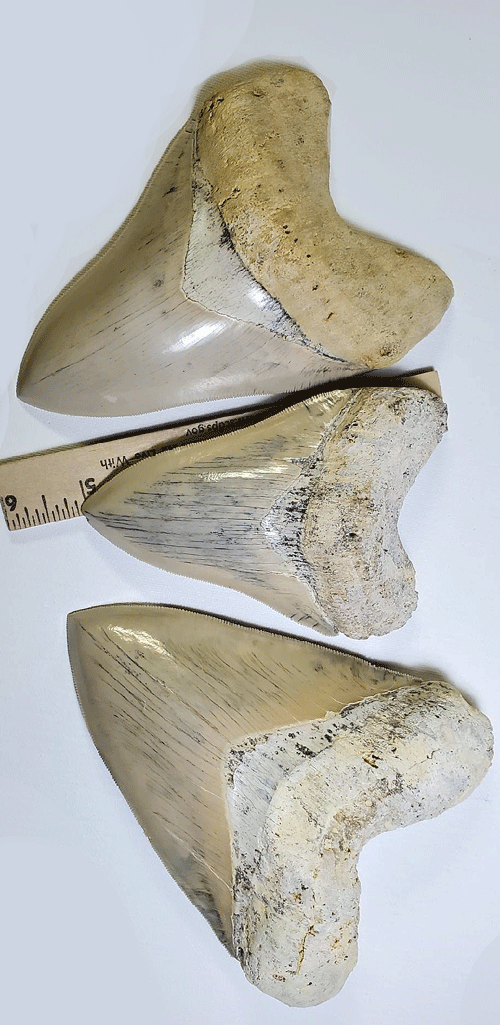
There’s something hauntingly beautiful about relics from the ancient world. From crumbling fossils to petrified wood, these pieces of history invite wonder, curiosity, and fascination. But few relics ignite the imagination quite like a megalodon fossil with jaws capable of crushing whales and a reputation as the ocean’s ultimate predator, the megalodon left behind traces of its existence in one unforgettable way—its teeth.
And while spotting what you believe might be a megalodon tooth can be thrilling, the real question is: how do you know if it’s genuine?
Let’s explore the subtle clues, signs, and methods to tell the real deal from an imitation.
The Allure of Megalodon Fossils
Before diving into identification, it’s worth understanding what makes megalodon teeth so captivating. These teeth are often massive, some over seven inches in length, and their razor-sharp edges once tore through flesh with ease. Over millions of years, these teeth have fossilized and now surface in riverbeds, oceans, and even inland quarries.
Because of their popularity among collectors and enthusiasts, fossil forgeries are common. Whether found online, at souvenir shops, or even at local gem expos, replicas often look convincing at first glance. But a little knowledge can go a long way toward spotting the signs of authenticity.
Weight, Texture, and Density
One of the simplest ways to start your investigation is by examining how the tooth feels in your hand. A real fossil has weight. That’s because it has undergone mineral replacement. In this process, organic materials are gradually replaced by minerals, making the object denser.
Pick up the tooth. Is it heavier than it looks? Is the texture rougher than smooth plastic? These are promising signs. On the other hand, resin replicas often feel lighter and smoother, and lack the gritty surface of a fossil that’s undergone natural aging.
Remember, authentic fossils will often have a slightly coarse or pitted feel, especially in less polished areas. If the entire tooth feels unnaturally slick or perfectly smooth, it may not be authentic.
The Subtle Clues in Serrations
Megalodon teeth were not only large—they were also functional. One of their most defining features is the presence of fine serrations along the edges. These serrations helped the megalodon slice through prey, making its bite more efficient.
When inspecting a fossil, take a close look at these edges. Are the serrations uneven or worn down? That’s a good sign. Natural wear is expected over time. However, if the serrations look too clean, too uniform, or even seem freshly carved, the tooth may be artificial or restored.
Another point to consider is that many authentic fossils exhibit minor edge damage. A chip here, a missing notch there—these imperfections are natural and speak to the tooth’s journey through time.
Color Can Reveal the Past
One of the most overlooked but telling signs of authenticity lies in color. A genuine megalodon tooth fossil often reflects the minerals it absorbed from its environment during fossilization. That’s why these teeth can range in shades—greys, blacks, browns, tans, and even bluish tones.
No two authentic megalodon teeth look exactly the same. They each bear a unique palette, shaped by the earth in which they rested. If you find a tooth with a strange, artificial-looking color (like bright white, neon, or overly shiny black), it could be a fake or artificially enhanced tooth.
Also, check if there’s a distinction between the crown (top part) and root (base). Authentic fossils often display natural color variation between these two parts due to their differing densities and material makeup.
Shape and Symmetry Matter
An authentic megalodon tooth is typically triangular and symmetrical, with a broad root and a pointed crown. While natural variations exist, significant distortion or oddly shaped examples should raise questions.
The root should feel solid and have some wear, while the crown may taper sharply or show signs of erosion. Replicas often exaggerate features for aesthetic appeal, producing teeth that look “perfect” or stylized—features rarely seen in natural specimens.
Symmetry matters, but perfection does not. If the tooth looks too pristine, that might be your first clue to dig deeper (metaphorically, of course).
Imperfections Make It Real
There’s beauty in imperfection—especially when it comes to fossils. Genuine megalodon teeth often have chips, nicks, or small cracks. These aren’t defects; they’re historical fingerprints.
Fake fossils, especially those manufactured or molded, usually lack this character. Instead, they may appear overly smooth, with minimal damage or suspiciously clean lines.
Pay particular attention to the root. Authentic roots might show small holes, mineral lines, or weathering patterns that replicas can’t easily reproduce.
Where Did It Come From?
The origin of the tooth matters more than many realize. Reputable fossil dealers can usually tell you the geological formation or location where the fossil was discovered. Some may even include certificates or photos of the excavation site.
If a seller can’t provide this information—or offers a generic explanation—it’s worth being cautious. Transparency builds trust, and reliable dealers understand the importance of provenance.
You should also be wary of mass-produced fossils sold at tourist spots or suspiciously low prices online. Authenticity often comes with a backstory.
How Experts Confirm Authenticity
For high-value purchases, expert verification is a smart step. Fossil specialists can examine a specimen under magnification, looking for telltale signs of fabrication or restoration. Some may even use ultraviolet light to detect paint or resin layers not visible to the naked eye.
While you don’t need to be a paleontologist to identify most fakes, consulting one can be a helpful investment—especially if you’re building a collection or making a significant purchase.
Photographs can also help. Sending detailed images to a professional or posting in fossil enthusiast communities can lead to helpful input from seasoned collectors.
Why It All Matters
Owning a megalodon tooth isn’t just about the excitement of the find—it’s about preserving a genuine link to Earth’s ancient history. A real fossil tells a story that began millions of years ago, beneath prehistoric seas, and carried on through epochs until it found its way into your hands.
There’s something special about that. Something worth protecting.
Forgeries may look convincing, but they lack the essence that makes authentic fossils so meaningful. When you hold a real one, you’re holding a piece of natural history—silent, heavy, and timeless.
A Few Final Tips for Collectors
● Always ask for documentation when buying online or from fossil shops.
● Use natural light to examine the fossil’s texture and color.
● Don’t be afraid to ask questions—a reliable seller will appreciate your curiosity.
● Store your fossil properly to protect it from moisture or direct sunlight.
● Share your knowledge to help others learn the difference between real and replica.
Still Wondering If It’s the Real Thing?
If you’re still unsure whether your find is authentic or if you’re searching for a verified fossil to start or grow your collection, take the time to consult a trusted expert. A short conversation can go a long way toward avoiding disappointment—and toward ensuring your fossil journey is based on truth, not imitation.
Explore with care, question with curiosity, and collect with confidence.






