

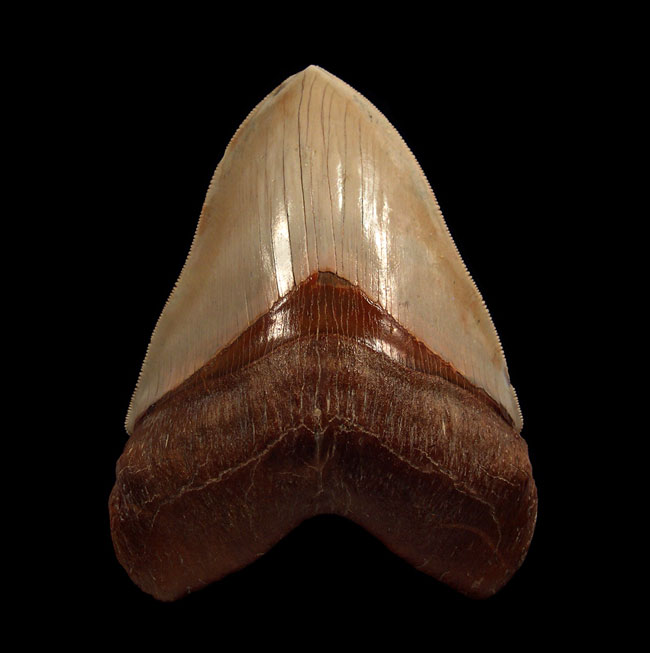
You feel the sharp edges and heavy weight of what looks like a Megalodon tooth. It commands attention. Maybe you found it, bought it, or inherited it. Either way, you want answers. You want to know if this fossil belonged to the largest predator that ever lived. The excitement grows, but so does the doubt. Before you take another guess, understand what signs matter, when you spot a real megalodon tooth for sale or already own one, learn how to verify its authenticity using proven details that collectors, divers, and fossil hunters trust and respect.
Let’s explore more detailed information:
Use the Tooth’s Size and Shape to Spot Clues
Collectors usually start with size. Real Megalodon teeth often measure between 3 and 5 inches. Some grow larger, but those remain rare. Look for a broad, triangular shape with precise, tapering edges. Real fossils don’t look perfect. They have uneven sides and curves that were formed naturally, not through molds. If a tooth looks overly polished or symmetrical, it likely came from a mold, not the ocean floor. Grip it. Turn it. Let the shape speak. A real fossil feels like it lived through time, not a factory.
Check the Serrated Blade for Wear and Texture
Megalodon teeth carry serrated edges like a steak knife. Nature formed those ridges to slice through thick skin and bone. With time, those serrations lose sharpness, but they don’t vanish. Feel along the edge. You should notice a mix of rough and smooth spots. That means the fossil passed through millions of years of movement, not just hours in a lab. Fake serrations feel even and too consistent. They often appear shallow or unrealistically sharp. Real serrations carry stories of prey, movement, and fossilization. You can tell the difference with just your fingertips.
Use Enamel and Root Contrast to Confirm Age
Real fossils show contrast. The enamel feels slick, while the root stays coarse. Run your thumb across both. You’ll feel that change in texture right away. Fossils with blended surfaces or one-tone finishes usually lack authenticity. The root should show pitting, dryness, or even mineral buildup. The enamel will shine slightly under light but never glow like plastic. Each section came from different materials. Enamel protected the tooth. The root held it in place. When fossilization took over, minerals preserved those differences. That process created the signature contrast collectors recognize.
Study the Color That Nature Left Behind
Real fossils don’t follow one color. You’ll notice blends of gray, brown, black, or even blue, depending on where the tooth spent time buried. Minerals from the soil or water seeped into the tooth over millions of years. That natural process gave it a unique color story. If a tooth looks painted, overly glossy, or evenly colored, step back. Artificial coloring often hides poor replicas. Turn the tooth in the light. Watch how it reflects. Natural fossils scatter light in uneven patterns. Real fossils carry Earth’s fingerprint. You don’t need a lab. You only need your eyes.
Let Weight and Temperature Tell the Truth
When you pick up a real Megalodon tooth, you feel its weight. Fossils become heavier than bone because minerals replace the organic parts. A real tooth will feel dense and solid. Fake teeth made of resin or plastic feel light, hollow, or warm. Real fossils feel cool when you first touch them. That coolness indicates that minerals have preserved it. Fake materials warm too fast and fall off. Hold the tooth. Shift it in your hand. Let its weight confirm or deny your guess. Your palm often knows the truth before your eyes catch up.
Use Origin Information to Add Confidence
Every real fossil comes from somewhere. Experienced collectors track where each tooth was recovered. Some came from river beds. Others came from phosphate mines or sandy cliffs. If someone offers a tooth with no origin or avoids the topic, that should raise concerns for you. Sellers who work with real fossils share location, depth, and other context. That information builds trust and confirms legitimacy. Even if the tooth holds up under visual tests, origin details add value and meaning. A fossil doesn’t just tell you what it is. It tells you where it lived and died.
Let Pricing Reflect Rarity and Condition
You can’t buy a large, complete Megalodon tooth for a cheap price. Real fossils, complete with full roots, sharp serrations, and strong enamel, demand respect and value. If someone offers one for a small amount, think twice. Price often tells the truth. Look at size, wear, origin, and balance. Those traits shape the market. Not every real tooth costs thousands, but the condition drives the price. Be cautious of sellers who avoid providing those details. When you search for a real megalodon tooth for sale, let the pricing confirm what the surface already suggests.
Study the Surface for Authentic Signs of Age
Time leaves marks. Real Megalodon teeth show tiny cracks, erosion spots, and natural imperfections. These details prove the tooth lived in sediment, rock, or moving water. The enamel might show thin lines. The root might carry chipped edges. You won’t see a clean or untouched surface. That’s a myth sold by copies. Touch the enamel. Rub the root. Let the surface texture guide you. Fossils shouldn’t feel smooth like plastic. They should remind you of rock. When a tooth looks perfect, it likely comes from a mold, not from a dig.
Identify Signs of Restoration Without Fear
Restoration does not always mean fake. Some real Megalodon teeth need repairs. Experts sometimes fill cracks or smooth the root to stabilize the fossil. But pleasing restorations stay minimal. They don’t hide damage. They preserve the structure. You can spot heavy restoration when the surface feels too smooth or shows sharp changes in texture. Ask for honesty. Reputable collectors explain if a tooth has undergone repairs. That conversation adds trust. It shows they understand the difference between real, restored, and fake. Restoration protects the fossil’s life. It shouldn’t change its identity.
Trust Sellers Who Specialize in Fossils
Experienced fossil sellers live and breathe the hunt. They study terrain, understand sediment, and inspect every inch of every tooth. They clean fossils with care and never guess about origin or condition. You want that kind of eye on your side. When you work with someone who values real fossils, you receive more than a product. You receive knowledge, support, and confidence. Let their experience guide you. A Megalodon tooth deserves expert handling and honest presentation. That approach keeps fossil history alive for generations to come.
Final Thoughts
You don’t need a lab or microscope to confirm the authenticity of a Megalodon tooth. You only need your senses, patience, and attention. Look at the color. Feel the texture. Check the weight. Use the surface, origin, and serrations to distinguish between authentic and replica. Trust what you see and feel. Let the fossil speak. A real megalodon tooth carries millions of years in every edge, crack, and curve. It connects you to a time when giants ruled the sea. When you hold one, let that history live in your hands.
Footnote
Fossils don’t ask for trust. They earn it through feel, weight, and history. Respect the process, honor the truth, and let authenticity guide your collection.






